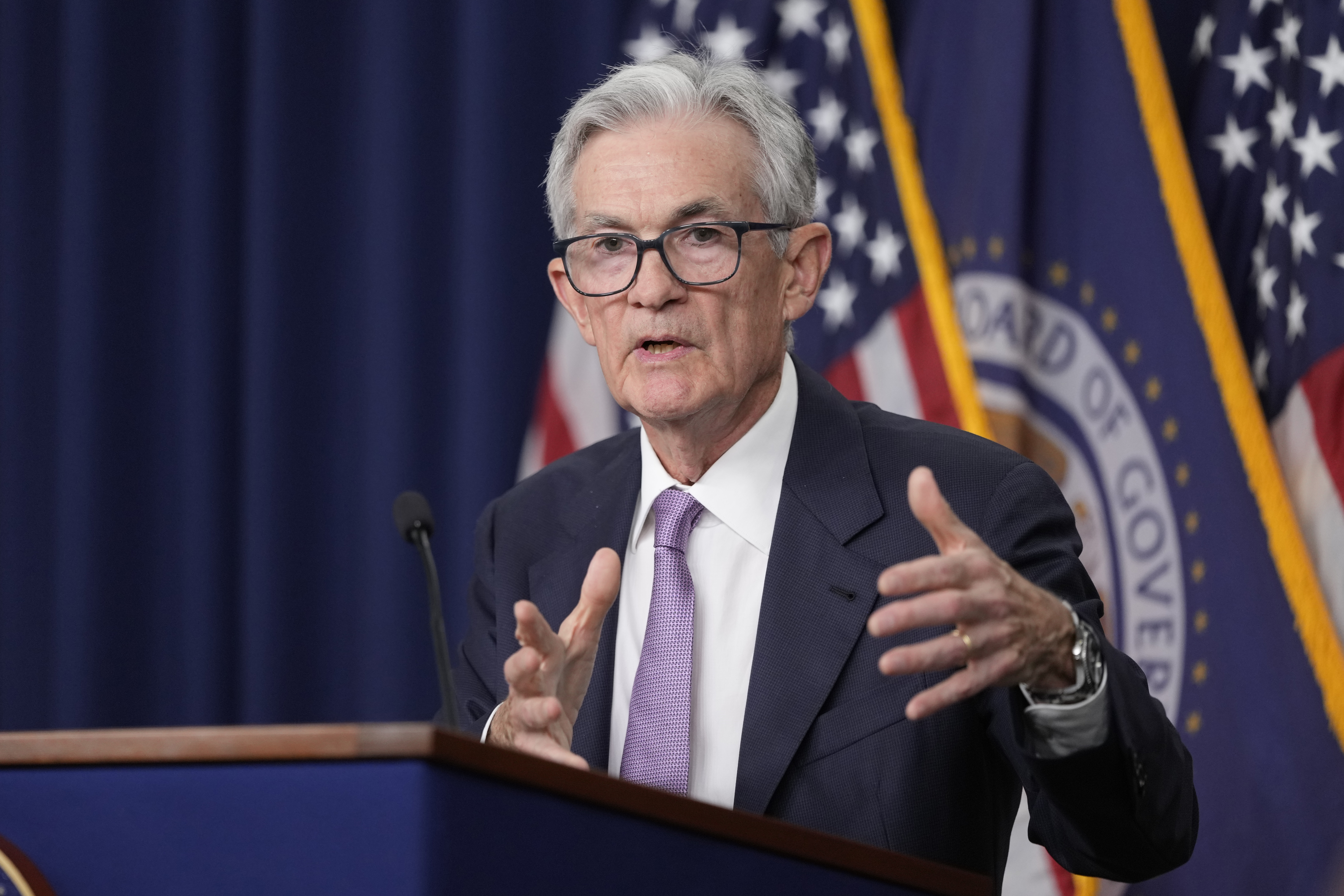
WASHINGTON (AP) – Most Federal Reserve officials said last month that the threat of higher inflation was a greater concern than the potential for job losses, leading the central bank to keep its key rate unchanged.
According to the minutes of the July 29-30 meeting, released Wednesday, members of the Fed’s interest-rate setting committee “assessed that the effects of higher tariffs had become more apparent in the prices of some goods but that their overall effects on economic activity and inflation remained to be seen.”
Your Business Has Gone Global. Has Your Insurance?
A decade ago, “doing business internationally” was mostly a large-company concern. Today, a manufacturer in…
Learn More
The minutes underscored the reluctance among the majority of the Fed’s 19 policymakers to reduce the central bank’s short-term interest rate until they get a clearer sense of the impact of President Donald Trump’s sweeping tariffs on inflation. So far inflation has crept up in the past couple of months but hasn’t risen as much as many economists feared when Trump unveiled some of his duties.
The Fed left its key interest rate unchanged last month at about 4.3%, though two members of its governing board dissented in favor of a rate cut. Both dissenters – Christopher Waller and Michelle Bowman – were appointed to the board during Trump’s first term.
At a news conference after the meeting, Chair Jerome Powell signaled that it might take significant additional time for the Fed to determine whether Trump’s sweeping tariffs are boosting inflation.
When the Fed changes its rate, it often – though not always – affects borrowing costs for mortgages, auto loans, and credit cards.
The Fed typically keeps its rate high, or raises it, to cool borrowing and spending and combat inflation. It often cuts its rate to bolster the economy and hiring when growth is cooling.