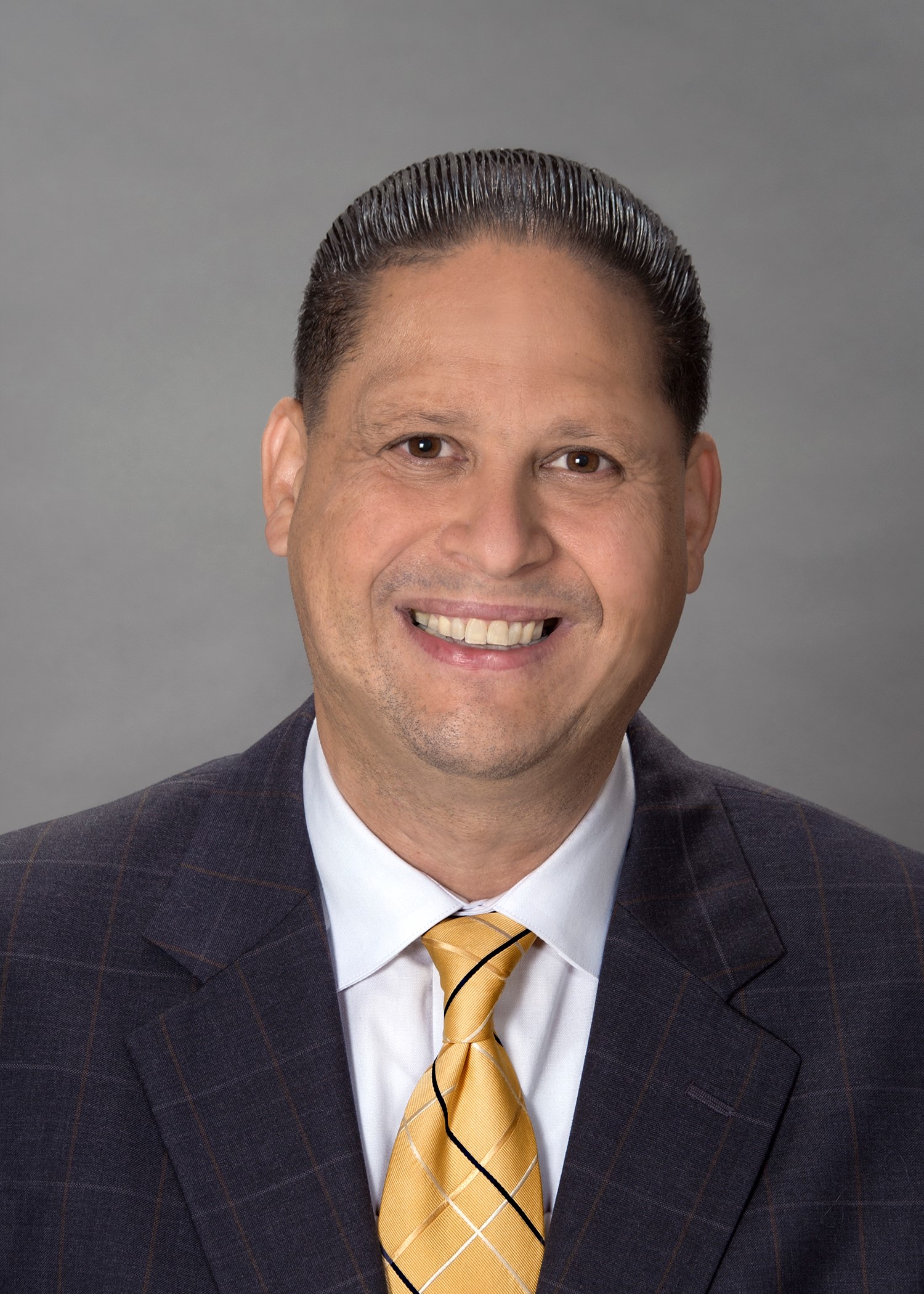
Carlos Rojas was recently named a community reinvestment act mortgage consultant by Bristol County Savings Bank. In his new role, he will partner with area affordable housing organizations as well as the bank’s charitable foundation and other mortgage consultants to help develop and represent the company in housing programs and educational events. He has 20 years of experience in the finance industry for banks and private and public mortgage lenders.
PBN: Describe the Community Reinvestment Act and its impact on low- and moderate-income neighborhoods in Rhode Island?
Building a Strong Data Foundation in the Age of AI
Artificial intelligence (AI) has become a key priority in the boardroom and across management —…
Learn More
Rojas: The Community Reinvestment Act (CRA) encourages federally insured depository institutions to help meet the credit needs of the communities in which they are located, particularly to low- and moderate-income neighborhoods. By meeting the housing needs of this low- and moderate-income community, the bank becomes an invested partner within the community providing affordable housing programs, education, and access to various grant funding available throughout the states. As a mortgage professional, my role is to provide the necessary guidance to navigate what programs and funds are available and assist the homebuyers throughout the homeownership journey.
PBN: In your role at the Bank, how do you help educate the community about being a first-time homeowner?
Rojas: As the Bank’s CRA (Community Reinvestment Act) Mortgage Consultant for Rhode Island, my role is to work closely with affordable housing organizations throughout the region to develop sustainable housing and educational initiatives including seminars, affordable housing workshops and related events in the community. Bristol County Savings Bank has a well-defined first-time homebuyer education program which I use to guide those interested in becoming a homeowner. Some of that education can be very basic, such as how to fill out a mortgage application and what are the necessary steps to save for a down payment, but part of that education can also be more complicated, from understanding escrows to the differences between renting and being a homeowner. In addition to sharing my knowledge of the mortgage industry, it certainly helps to actually be part of the minority community.
PBN: How do you build relationships and trust, especially within the minority community?
Rojas: Being able to communicate in the native language of the Hispanic population makes a big difference. Speaking in Spanish helps establish a trusting relationship with people. Ensuring that the translation is correct when guiding potential homeowners through a process filled with unfamiliar terminology and concepts is extremely important. The end result is an overall sense of trust and confidence between me and the potential homeowners because they understand what to expect, especially at the time of closing.
PBN: How does your prior experience prepare you for this new role?
Rojas: I have worked in the housing-mortgage industry for over twenty years. I have the experience and understanding of the industry to inform others about the right steps to become a homeowner. My knowledge and confidence in the process helps motivate others to do what it takes to be homeowners too. In addition to working at several banks, I served as a mortgage counselor at Rhode Island Housing where I assisted families with foreclosure prevention. Depending on the challenges, I provided the right resources to get them approved for other options. I am also a homeowner, so I possess the personal experience to relate to the challenges minority communities face when buying a home.
PBN: How has the pandemic impacted homeownership within the minority community?
Rojas: The pandemic has created hardships for many people in the minority community. The loss of jobs, combined with the end to the pandemic-related federal unemployment benefits, have negatively impacted the income of many households. Now, many potential homeowners may have difficulty qualifying for home loans. We encourage them to talk with us and consider beginning our educational first time homebuyer program which will help them prepare for future home ownership and learn what the necessary steps are that will help them become qualified.
Nancy Lavin is a PBN staff writer. You may reach her at Lavin@PBN.com.