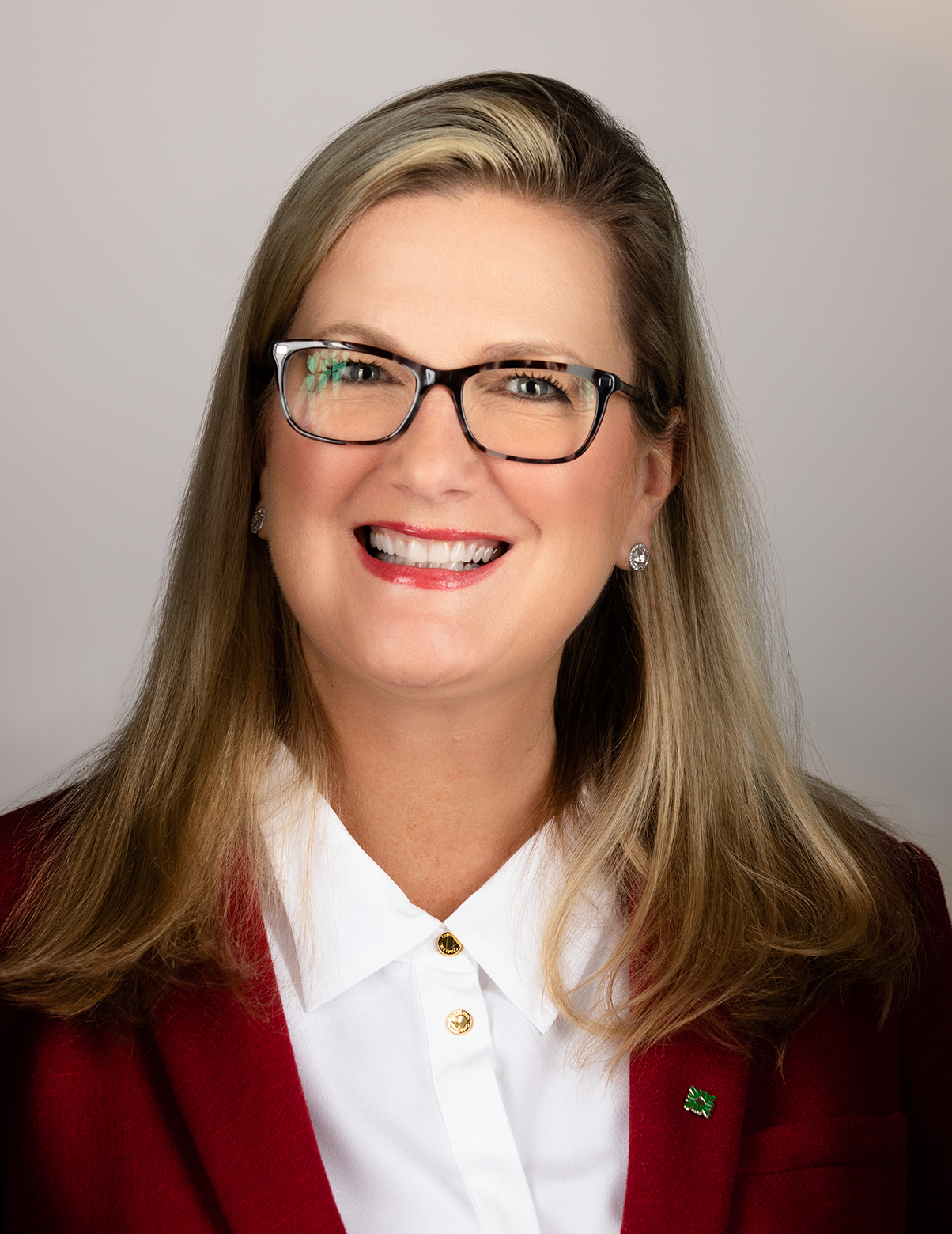
Christine Roberts is head of student lending for Citizens Bank, where she oversees the Citizens Student Lending program which helps students pay for college. She has more than three decades of experience in the financial services industry, including various leadership positions at Citizens. She has a bachelor’s degree from Bentley University and a master’s in Integrated Marketing Communications from Northwestern University.
PBN: What was student loan activity like in Rhode Island prior to the pandemic?
Your Business Has Gone Global. Has Your Insurance?
A decade ago, “doing business internationally” was mostly a large-company concern. Today, a manufacturer in…
Learn More
Roberts: Prior to COVID-19 pandemic, we continued to see strong interest in private and federal student loans across the country, and Rhode Island was no different. According to TownCharts, 33% of Rhode Island high school students receive a bachelor’s degree, slightly above the national average of 32%. Approximately 60% of Rhode Island high school graduates attend college for some period of time or receive an associates or bachelor’s degree. With plenty of great higher education institutions in-state, we continuously see strong interest from out-of-state students who wish to attend school in Rhode Island.
PBN: How has COVID-19 changed that, in terms of volume, demographics of borrowers or other factors?
Roberts: While we wouldn’t disclose specifics for competitive reasons, without question COVID-19 is creating complications or confusion for many families with students starting or returning to college this fall, in whatever form that might be. There are many unknowns in this environment including options for emergency financial aid, how much is prudent to borrow and how will student debt be impacted by decisions made now.
Colleges are still determining what the fall semester will look like. From restructuring classes to switching to solely online learning, students face a variety of options which may impact the value of that college experience.
Some students are delaying their start dates and switching schools, with many deciding to stay closer to home instead of where they initially planned to attend. What are the implications of these and other uncertainties created by the pandemic, and should these changes affect your thinking about financing education, especially if your family has lost income during the health crisis?
As I speak to families across the state and throughout our footprint there are a few questions they should think about:
1) Should my student go to college at all this year or consider a gap year?
2) Is there additional emergency financial aid available for this year, and can we ask a college to reconsider what they are providing?
3) How much is appropriate to borrow?
4) If you’ve lost income because of the pandemic, what is the right approach to figuring out what you need to borrow?
PBN: What advice would you give students considering taking out loans to pay for their education? Is that advice different right now, given the current economic climate?
Roberts: The advice I always give to prospective students and their families is to do what is best for their family financial situation. That hasn’t changed in light of COVID-19, but has, in fact, become even more imperative. While we don’t know the long-term implications of the pandemic on higher education, a recent survey released by Citizens said that the majority of teens say they are now more likely to take out student loans to help pay for college. With family finances hit hard, planning how to pay for college is more important than ever. One of the most important things parents can do is have transparent and honest conversations with their children as early as possible in the college process. It’s a lot easier to set expectations on what a family can afford than it is to tell your child the school they fell in love with is too expensive.
PBN: What tools does Citizens offer to help students with paying back student loan debt?
Roberts: Citizens provides a variety of tools to help families as they navigate taking out a student loan. Additionally, we were the first bank to offer an education refinance loan. A college graduate can use our online rate quote tool to see what interest rate they could get if they refinanced their student loans. As you graduate college, enter the workforce, build credit, and progress at your job, you can take advantage of lower rates to save on your monthly payments over the life of the loan. While borrowers can refinance both federal and private loans, they would sacrifice the federal student loan protections, such as income based repayment plans. For families looking for school loans this fall, we offer a variety of tools and resources on our website, including an online student loan calculator and an online tuition calculator.
PBN: What long-term implications, if any, do you think the crisis will have on student loan programs, policies and participation?
Roberts: Long-term, we don’t know what impact COVID-19 will have on the student loan industry. We do expect that prospective and current students will still want to attend school and earn a degree. I think that once there is more certainty around the 2020 academic year, we’ll have a better sense of how current programs will be affected in the short- and long-term. Most importantly, no matter what challenges they are facing, we strive to be there for families and students on every step of their college financing journey. Whether that is taking out a loan freshman year via our multi-year approval process or refinancing their loan after building a credit history and getting a raise at work, we are there to help families navigate the important steps of college financing.
Nancy Lavin is a staff writer for PBN. Contact her at Lavin@PBN.com.