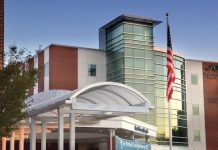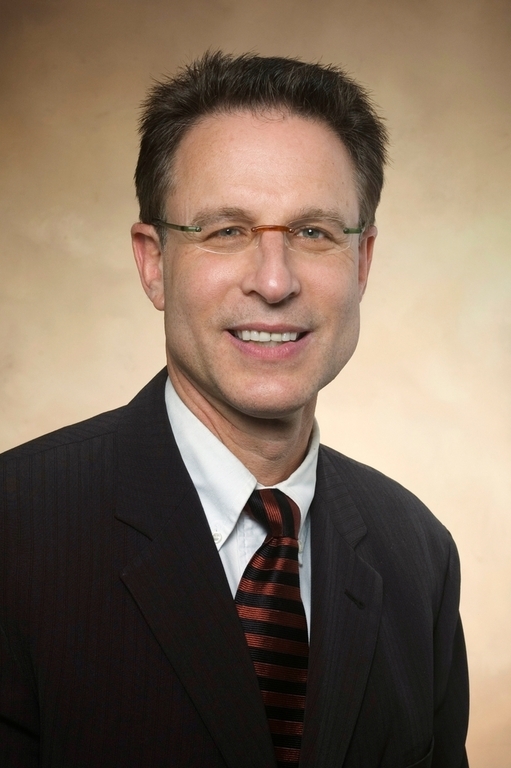
The Miriam Hospital recently named Dr. Martin Miner, a local family physician and expert on men’s health, as chief of its department of family and community medicine, the clinical home for family physicians who have admitting privileges at the hospital.
Miner, who is also co-director of the Men’s Health Center at The Miriam, has published extensively on links between erectile dysfunction and cardiovascular disease, as well as other male health issues. He is active in several research studies and he is a clinical associate professor in family medicine at The Warren Alpert Medical School of Brown University.
Miner answered questions about his work and primary care at the Miriam.
PBN: How does the Miriam handle family and community medicine? What kind of relationship do you have with doctors in the community?
MINER: I am relatively new to the primary care community in Rhode Island, having
practiced as a family physician with a specialty in men’s health in Swansea for more than 23 years. A number of family physicians have admitting privileges to The Miriam, although many have yielded this responsibility to our hospitalists [doctors who are based at the hospital and focus entirely on inpatient care]. I have had only positive encounters with these hospital physicians, both in regards to patient satisfaction, care and communication with me. Hospitalists provide a valuable service, and I think it’s a good collaboration.
Seifert Systems Invests in Energy Efficiency to Strengthen Operations
For manufacturers, energy is more than just another operating expense. It plays a critical role…
Learn More
PBN: How does the Miriam interact with doctors in the community, and do you see a role for yourself in forging closer ties and improving communication with them?
MINER: Most primary care clinicians are off-site. Communication with them occurs through several portals: regular staff meetings with our hospital’s senior leadership, a robust e-mail correspondence, and a presence of key members of the medical staff and myself on the Medical Executive Committee. This is most profound, and an opportunity to shape the future of primary care in Rhode Island and particularly in Lifespan.
PBN: Effective Sept. 8, The Miriam’s president and CEO, Dr. Kathleen C. Hittner, is taking on a new role within Lifespan, as senior vice president of community health for the whole system. What role do you see for The Miriam in supporting primary care in the community, and do you expect that role to grow with Dr. Hittner’s new responsibilities?
MINER: Dr. Hittner has always been a keen advocate for primary care and is aware of all of the hurdles that we face. [She understands] the need to prioritize primary care as “coordinated” care, attract more medical students into the specialties of family and internal medicine, and coordinate the role of the hospital in this process so that care can feel seamless.
PBN: Tell us about the Men’s Health Center, which opened last year. How many patients does it serve at this point? Is it designed to fully meet men’s preventive-care needs, and is it viewed that way by your patients, or are they still likelier to come specifically for treatment of urological or sexual dysfunction problems?
MINER: The Men’s Health Center is an example of coordinated care: urologic, medical and psychological. Male sexual dysfunction, particularly erectile dysfunction, is a harbinger of cardiovascular disease and precedes cardiovascular events, such as stroke and myocardial infarction (heart attack), particularly in men under 60. If it’s identified early and lifestyle and metabolic risk factors – particularly those risks associated with obesity – are lessened, then it is hoped that these bad outcomes can be prevented. We examine the patient and the couple, and eventually hope to include providers to examine and treat the issues associated with female sexual dysfunction. We coordinate care with the patient’s primary care physician and do not practice primary care, despite our focus on preventative medicine.
PBN: The center takes a “family-based” approach. What does that mean, why do you think it’s important, and how feasible is it in the current health care environment?
MINER: Family medicine is a specialty that provides comprehensive primary care and preventive services to all members of the family. Preventive medicine can not only reduce health care costs but also save lives. Yet there is a critical dearth of primary care providers, both internists and family physicians, in Rhode Island and in this country.
There are several reasons for this, including the need to see an increased volume of patients due to lower reimbursements and higher overhead costs, and the increased role of primary care as “gatekeepers” rather than “coordinators” of care. This is an uncomfortable role which includes speaking to insurers directly to order tests such as MRIs or special cardiac stress tests. I don’t appreciate the time this takes from direct patient care, and believe that my medical judgment should be trusted. In addition, nurses in primary care offices are no longer speaking to patients, but rather managing multiple formularies and prescription requests.
Our Men’s Health Center is a great example of how you can successfully coordinate different aspects of care with a family-based approach, since our treatment services are geared to both men and their loved ones. But overall, as a nation, we need to move toward a health care system that places more of an emphasis on primary care (which includes family medicine), creates an environment that fosters the doctor-patient relationship, and rewards physicians for the quality of care they provide.