Hospitals are not islands – they exist within communities, serving and often employing the people who live around them. But that doesn’t just happen by default, particularly for hospitals that provide specialized and/or very high-end services to broad populations.
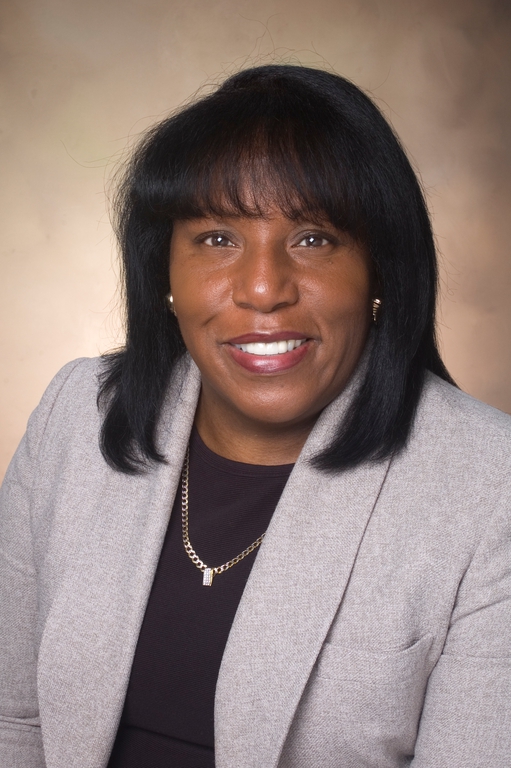
Lifespan, which includes Rhode Island Hospital, Hasbro Children’s Hospital, The Miriam Hospital, Newport Hospital and Bradley Hospital, has just taken a step toward enhancing its local connections, promoting Gertrude F. Jones, director of diversity for the last six years, to the new position of vice president of community relations.
Jones answered questions about Lifespan’s diversity and outreach efforts and her vision for her new job.
PBN: What has been your focus at Lifespan for the past six years, as director of diversity?
JONES: My continued focus has been on building best-practice diversity strategies and programs. We have built an engaged Diversity Leadership Council and four employee resource groups and done work force development and ongoing cultural competency and sexual harassment trainings, to name some highlights of our diversity and inclusion work.
Beyond Cash Donations: How New Forms of Giving Are Transforming Not-for-Profit Accounting
Evolving Funding Landscape for Not-for-Profits Not-for-profit organizations are being asked to do more with less,…
Learn More
PBN: My sense is that your previous job was inward-focused, and now you’ll also be looking outward more. How do you expect that to change your priorities and approach?
JONES: As you stated, we have focused our original work on the “inward best practices” that were primarily on the work force side. This new work will focus on building relationships not on only the work force side, but on the patient side of health care as well. This will include a focus on health care disparities in our surrounding communities.
PBN: You’re not taking this job in a vacuum; Lifespan has been reaching out to the community for years. Can you tell me more about what’s been done to date?
JONES: Our Community Health Department continues to increase its participation in health care fairs; our community sponsorships have more than tripled the number of community-based organization sponsorships, and the Human Resources Department has identified six community-based partnerships that support our goal of building work force pipelines into our organization.
Our proposed merger with Care New England has also provided opportunities to interact with various communities. The community discussions have created contacts and relationships that will sustain our diversity and inclusion work, as well as develop new conversations around community.
Lifespan’s Youth Development Program, which started almost 40 years ago at Rhode Island Hospital, has expanded across the system, including The Miriam Hospital, and has increased over the years from 20-30 youth to 106 last summer. Students are placed in paid positions, and 90 percent are from Providence public schools. We have placed about 30 percent of them in permanent jobs following their summer employment with Lifespan. Most go on to study health care in college. Lifespan is proud that we have one of the largest summer youth employment programs in the state.
PBN: Are there specific initiatives that you plan to work on right away?
JONES: Similar to what I did when I began the diversity work at Lifespan, I have been meeting with the senior leaders at Lifespan and community leaders to determine their thoughts. For example, all believe that health care disparities, work force development and supplier diversity should be at the top of the list.
I might point out that Lifespan has increased representation from our diverse communities from 10.3 percent in 2004 to more than 17 percent now. Most of these gains have been in professional and technical positions; Lifespan is also working toward increasing representation at the management level, a challenge faced by the health care industry across the country.
PBN: You came to Lifespan from the Urban League of Rhode Island, and I’m sure you’ve remained pretty closely connected to the community. How do you think the hospitals are perceived right now, especially in low-income and minority communities, and what does success look like in your new job?
JONES: I have maintained my relationships. … Due to the increased visibility of Lifespan via sponsorships, youth development activities, health screenings, immunizations and our research programs, Lifespan hospitals in most communities are now seen as positive community partners.
As for success in this job, it would involve community relations that result in a dynamic combination of programs, events, sponsorships, education, jobs and research all built around health care. This combo will have the effect of eliminating health care disparities, increased health care job opportunities, educating our communities on the best practices involving healthy communities, and putting the health of our communities as a top state priority.