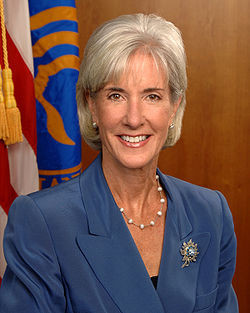
While the now Republican-controlled U.S. House of Representatives introduced a bill last week to repeal the health care reform law, U.S. Secretary of Health and Human Services Kathleen Sebelius was in Woonsocket Friday to celebrate the launch of a health IT program at Thundermist Community Health Center.
The two approaches provided a stark contrast. In Washington, D.C., the new Speaker of the House John A. Boehner derided a new Congressional Budget Office report saying that the repeal would add $230 million to the federal budget deficits, saying: “I think it’s pretty clear to the American people that the best health care system in the world is going to go down the drain if we don’t act.”
Beyond Cash Donations: How New Forms of Giving Are Transforming Not-for-Profit Accounting
Evolving Funding Landscape for Not-for-Profits Not-for-profit organizations are being asked to do more with less,…
Learn More
In Woonsocket, where the community’s hospital, Landmark Medical Center is in receivership and a planned acquisition is stalled, Sebelius was touting the actions of a new program, underwritten with federal awards to the Rhode Island Quality Institute, to enable hospitals, clinicians and patients to communicate more effectively electronically and improve the quality and access in the delivery of health care.
Providence Business News interviewed Sebelius just before the Friday visit to ask her about the future of health care reform and Rhode Island’s leadership in its implementation.
PBN: In December, you invited R.I. Health Commissioner Christopher F. Koller to Washington to help introduce new rules for greater transparency for increases in health insurance rates. This week, you are visiting Woonsocket to praise the Beacon Community program in health IT at Thundermist Community Health Center. Do you see Rhode Island as a leader in implementing health care reform and innovations in the delivery of health care services?
SEBELIUS: Rhode Island recognized early the importance of investing in delivery system innovations and health information technology to improve health care quality and access for its communities. Rhode Island has a strong health IT infrastructure and is working aggressively to implement its vision for a health care system in which all hospitals, clinicians, and patients are meaningful users of health IT. Rhode Island’s successful application to the Beacon Community program is an excellent example of its commitment to use health IT to transform health and care throughout the state.
PBN: How do you see health IT changing the delivery of health care, locally and nationally?
SEBELIUS: Health IT offers great promise to improve the quality and efficiency of health care locally and across the nation today, tomorrow and into the future. As more doctors, hospitals, and other health care providers begin adopting and using health IT, we will see real value and benefits for all patients. Health care providers who use electronic health records get a more complete picture of their patients’ health status, at the point of care, to inform their patients’ health care decisions. Over time, health information will be available in a secure and private manner for providers to care for their patients, anywhere, anytime. Electronic health records reduce paperwork and redundant tests, and help providers to avoid medical errors, such as prescribing a medicine to which a patient is allergic. It also enables providers to diagnose problems earlier, which in the long run will result in better health and reduced costs.
The Rhode Island Quality Institute provides an excellent example of how an organization can promote the use of health IT throughout a healthcare system to change how and where health care is delivered from the home to the hospital. The Quality Institute was a national pioneer in advancing e-prescribing, implementing and testing it, and helping to support broader diffusion nationally. We expect the same level of advanced development, learning, and dissemination with other Beacon interventions driven by IT. The institute’s work will create invaluable “Lessons Learned” that can be shared throughout the country as we work to improve our healthcare system.
PBN: In Washington, the Republican majority in the House of Representatives has made repeal of health care reform one of their priorities. Do you believe that the changes made are here to stay? What advice would you offer to Rhode Island businesses about the kinds of investments and activities they should be involved with regarding health-reform implementation?
SEBELIUS: Over the last nine months, I have had a chance to travel around the country and visit with a lot of folks, and I have seen firsthand how the Affordable Care Act has already made a significant difference for families, small business owners, health care providers, doctors and nurses. It is beginning to free families from some of the worst abuses of the insurance companies. It is freeing Rhode Island business owners from the burden of skyrocketing health costs, which made it hard for them to grow and keep their best employees, and it is freeing seniors to get the care they need, from reducing the cost of prescription drugs to preventive screenings, like mammograms.
The repeal would take away all of those freedoms and shift power directly back to the insurance companies:
Also potentially hurt would be the 18,100 Rhode Island small businesses that were eligible this past year for the Small Business Tax Credit, which can help make it affordable to provide coverage for their employees.
We can’t afford to take benefits away from families, to bring back all the worst practices of the insurance industry, to deny coverage to 32 million Americans, and to add hundreds of billions of dollars to the deficit by the end of the next decade, but that’s the real cost of repeal.
PBN: The Beacon Community Program, with its 50 sites around Rhode Island, and its patient-centered medical home initiatives, is changing not only the way that health care services are delivered, but the business model as well. How do you see the business model for community hospitals evolving?
SEBELIUS: Health IT is a critical part of the evolution of community hospitals as they work to advance quality care and community-wide access to patients. The use of health IT by community hospitals can offer patients greater access to specialists, and resources that enhance their ability to achieve better outcomes for patients. In Rhode Island and across the country, community hospitals are a cornerstone of our health care system, and we need to do all we can to support their efforts.
PBN: How closely have you worked with the Rhode Island Congressional delegation? Do you have plans to meet with newly elected R.I. Gov. Lincoln D. Chafee?
SEBELIUS: The people of Rhode Island benefit from a highly engaged Congressional delegation that is committed to ensuring that HHS and its programs and policies are responsive to the needs of Rhode Islanders. They know that my staff are available to respond to issues that may arise. I, like so many others, will miss the leadership that Rep. Kennedy has provided in Congress on issues such as biomedical research and mental health.
I have met with Gov. Chafee, who I know is hard at work at assembling a strong health and human services team, and I look forward to working with him and Rep. Cicilline on our shared goals of increased access to affordable, quality health care for all Americans. As members of key legislative committees and as advocates for people with disabilities and mental illness, and for health care providers, and responsible employers, their leadership and partnership is essential to supporting the benefits of the Affordable Care Act for all of Rhode Island’s residents.