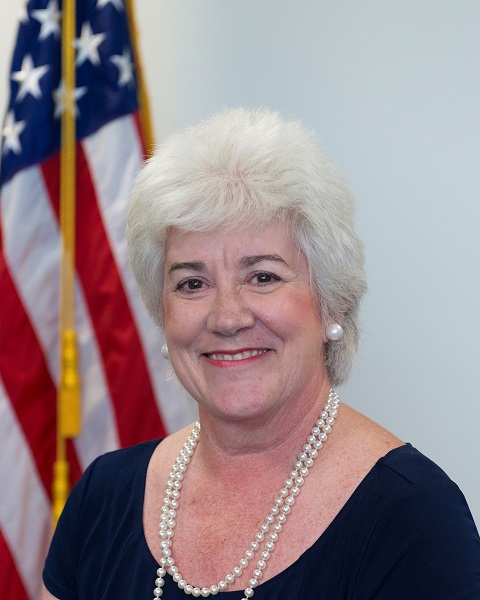
Kathryn Power is the director of the R.I. Department of Behavioral Healthcare, Developmental Disabilities & Hospitals. She discusses rising COVID-19 cases in Rhode Island and shares tips for coping with mental health issues that may be worsened by the pandemic.
PBN: As COVID-19 cases continue to rise in Rhode Island, is BHDDH seeing an increase in mental or behavioral health needs?
Building a Strong Data Foundation in the Age of AI
Artificial intelligence (AI) has become a key priority in the boardroom and across management —…
Learn More
POWER: We know from BH Link, Rhode Island’s 24/7 behavioral health triage center, that there has been a 15% to 20% increase in calls over the past month. This includes calls for detox services (alcohol, opioids/drugs), mental health issues and the suicide hotline. This suggests that as the number of COVID cases rises, more people are reaching out for help. We applaud the fact that individuals are taking that step to address their anxiety and stress.
PBN: Are there any mental health issues or behavioral health problems that have been particularly exacerbated by the health crisis?
POWER: It’s widely accepted that we are experiencing “COVID fatigue.” This is a normal reaction. However, we are particularly concerned about individuals who have what are broadly known as behavioral health conditions – mental illness, mental health challenges, emotional distress, substance use disorders and addiction, as well as those individuals with intellectual and developmental disabilities – because they can be especially vulnerable during disasters.
We know, for instance, that many individuals with substance use conditions have lost access to daily in-person meetings and activities that helped them sustain recovery. It is important that they continue their treatment plans and stay connected to their recovery network. Individuals in recovery also need to check in regularly with family, friends and/or sponsors, by phone or computer if needed.
PBN: What are some coping strategies for people who are beginning to feel overwhelmed by the pandemic, or who are very anxious about getting the virus?
POWER: We can take commonsense precautions such as washing our hands, wearing a mask and physical distancing. We also need to be planning our days, determining what we need to accomplish, staying in touch with others, eating healthy foods, exercising and relaxing or doing something fun, and most importantly, staying home if we feel unwell. We know from past disasters that people are much more adaptive and resilient than they think. They face disasters and say, “Oh my gosh, I’ll never get through it,” yet they do, and they become more resilient.
PBN: We are heading into the holidays with no guarantee that large or small family gatherings will be safe. Are the state’s mental health experts worried this will cause a spike in mental health needs?
POWER: The holidays can be stressful. With the added worry about COVID-19, 2020 may be more difficult. We may experience loneliness, sadness or other emotions. It is important to be aware of how we are feeling and remember that we can still connect with others, even if it’s not the same as in past years. We can be creative in establishing new ways to celebrate the holidays. It’s also important to seek help if needed. Anyone who is struggling and needs assistance should call 414-LINK.
PBN: Is BHDDH finding that virtual services are working well for patients with mental health needs? Are telehealth and video calls as effective as in-person visits?
POWER: Before COVID, telehealth was something of a novelty. Today it is commonplace and viewed as an essential means of accessing care. This shift extends especially to behavioral health services. Telehealth is proving to be safe and effective and is helping as traditional methods are interrupted.
Elizabeth Graham is a PBN contributing writer.