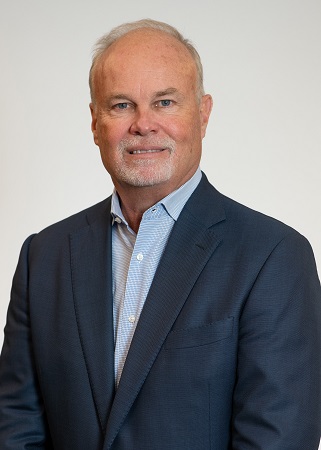
Michael F. Sweeney is the president and co-founding shareholder of Duffy & Sweeney Ltd., a boutique business law firm headquartered in Providence. Sweeney leads the firm’s corporate and mergers and acquisitions practice, where he handles mergers, sales and business acquisitions, in addition to recapitalizations and equity financings.
Sweeney also serves as general corporate counsel to privately held, mid-market businesses. He is a frequent speaker and writer on contemporary middle-market strategies for companies and is annually recognized by key legal ranking organizations, including Chambers USA.
For Leaders Who Don't Have Time to Get Sick
Top performers guard their calendars, delegate relentlessly and optimize every hour of the day. Health,…
Learn More
PBN: Mergers and acquisitions nationwide seem to have gone through a slow period. How long has it been that way and to what do you attribute it?
SWEENEY: From late 2009 through 2019, M&A deal volume, multiples and enterprise value grew steadily following the 2008 Great Recession and the collapse of the financial markets. Then, because of COVID-related shutdowns, 2020 was an anomaly year for M&A.
In 2021, business came back as a record year in many M&A markets, both public and private. And 2022 was almost as strong for the private mid-market for deals with an estimated value of less than $500 million.
The last 18 months have been impacted by the effects of the Ukraine war and persistent supply chain backorders still lingering from COVID shutdowns. It’s also been hit by a combination of high labor wages, high inflation and higher interest rates. That’s hampered some recent deals by making it difficult to get them funded or closed.
However, in the lower mid-market, we still see a healthy appetite from investors. Private equity firms and strategic buyers are still on the hunt for good companies with solid track records, earnings and room to grow in their markets. So, I believe sellers can still get good deals done.
PBN: Are you optimistic that we’ll see the number of M&A deals pick up anytime soon?
SWEENEY: Yes, I’m optimistic for two reasons. First, there still are many privately owned companies without succession plans and aging ownership. They will look to sell as an exit plan. Second, there [are] still record amounts of money to be invested. There’s a huge amount of that “dry powder” waiting to be deployed and sitting on the sidelines, and the ROI [return on investment] projections in many M&A deals remains higher by a wide margin than “safer” short-term yields.
PBN: What could stimulate the appetite for more M&A and drive more activity in that space?
SWEENEY: Interest rates will need to stabilize and then decline somewhat. More importantly, banks and other lenders will need to feel confident in making cash-flow-based loans again. That should happen once the aftereffects of the Silicon Valley Bank and First Republic failures die down. Financing will loosen up. But it’s all cyclical, and it’s hard to time that market cycle.
PBN: What do you see as ongoing threats? Have there been greater restrictions placed on M&A deals, whether with stricter regulation or political risk?
SWEENEY: In deals with foreign parties, and/or with export customers and markets, we have seen more government scrutiny around exporting technology [that] may have a military use. In the lower market, there is generally less applicability and concern over antitrust and similar regulatory hurdles.
PBN: What trends do you see emerging in southern New England? Are those trends any different here than they are in the rest of the nation?
SWEENEY: Strong areas locally have been medtech; fintech, including insurance; business services; and smaller niche manufacturing. Seafood harvesting and processing, clean energy, and marine technology are also industries we work within regularly.
The lower mid-market is wide and it’s diverse, spanning many industries. As a result, we have essentially become generalists in handling M&A transactions for buyers and sellers across the country and spanning these many fields.
Sam Wood is a PBN staff writer. Contact him at Wood@PBN.com.