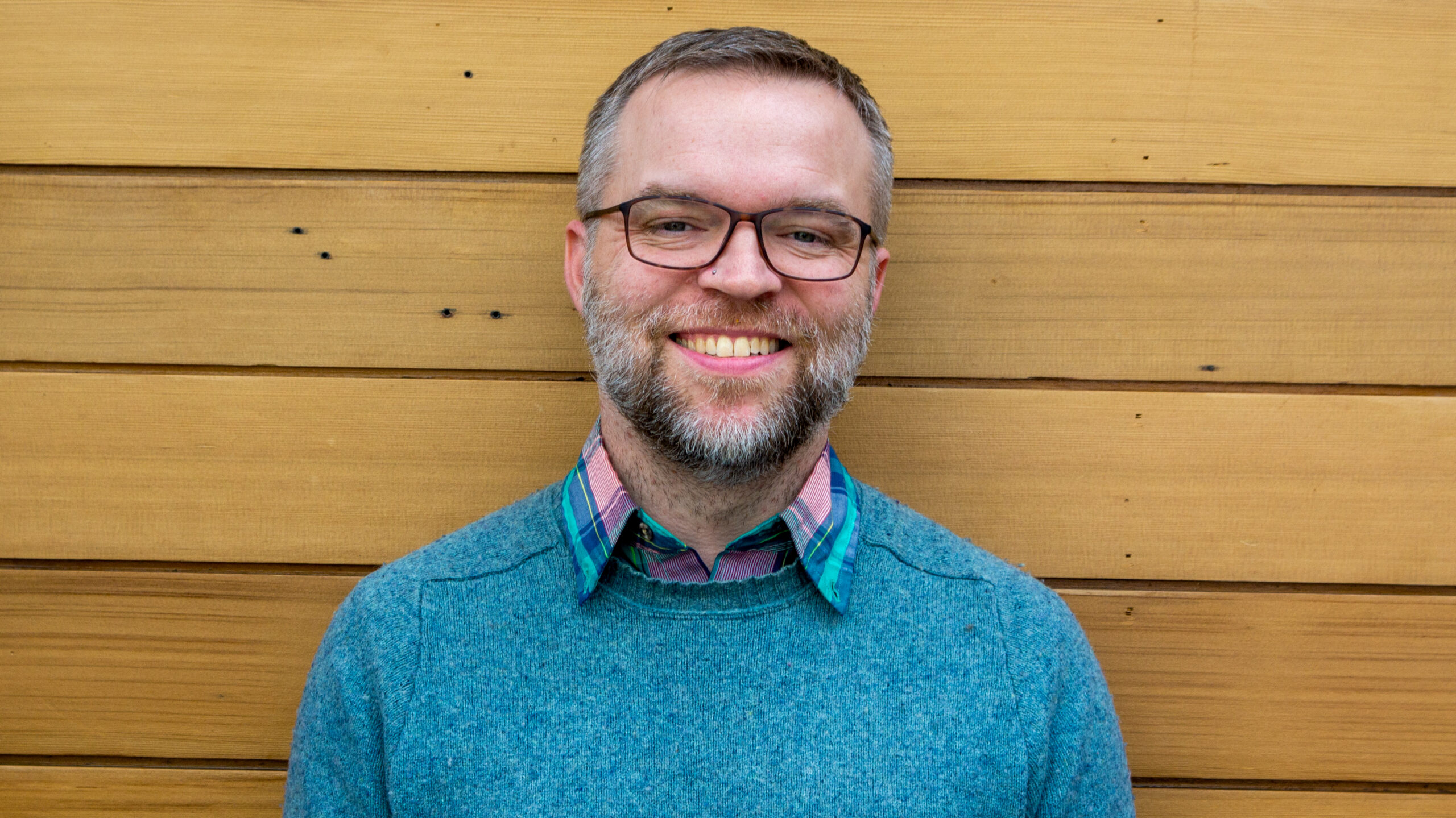
Mikel Wadewitz is the director of AIDS Project Rhode Island, a Providence-based nonprofit that offers services to those living with HIV/AIDS, and also testing services. This year, the organization, which is a division of Family Service of Rhode Island, will commemorate its 35th anniversary.
Wadewitz spoke with PBN about the organization, its plan for its milestone year and what needs to be done to advance HIV/AIDS treatment.
Beyond Cash Donations: How New Forms of Giving Are Transforming Not-for-Profit Accounting
Evolving Funding Landscape for Not-for-Profits Not-for-profit organizations are being asked to do more with less,…
Learn More
PBN: What lessons has the organization learned in 35 years in the fight against HIV/AIDS?
WADEWITZ: We have to answer that in a couple of different ways. One is looking at HIV and AIDS as almost a 40-year epidemic. I’m sure it was almost impossible for anyone who is here at the founding of AIDS Project Rhode Island to know what it would look like in 2020. There are countless lessons learned, but I think probably one of the biggest from my perspective is that people can really change the way they get health care or they receive services.
HIV/AIDS is a disease that really galvanized a whole movement of people to advocate for themselves in the health care setting that had not been seen previously. That led to the formation of all of these organizations, as well as national advocacy organizations, and really changed the way people were perceived and got care.
We would not be where we are if it was not for people being empowered early on to stand up for their rights to declare “I am a human being; I deserve to be treated with care and respect” and to get the treatment that they needed at a time when the disease was stigmatized.
PBN: What needs to be done to continue the momentum with medical advances in HIV/AIDS treatment?
WADEWITZ: Honestly, and to put it bluntly, there needs to be money spent on making sure that everyone who needs health care can get it. We have the tools to end this epidemic. HIV medications are so good that they’re not nearly as toxic as they used to be. A lot of people can take one pill a day. They can be virally suppressed, which means they cannot pass on HIV. At the same time, people who do not have HIV have medications available that prevent transmission of HIV.
We are arguably one of the best-situated countries in the world to deliver quality health care to our citizens, and we don’t. There’s way too much health inequity in the United States and we need to change that. We know that when people have equal access to care and treatment, and support services that help them, then they thrive.
Recently, there was a study that came out in the [United Kingdom] where HIV rates have fallen by 70%, and that’s mostly due in part to people having access to treatment. It really is about access to medical care that’s affordable and quality.
PBN: Is there still a stigma surrounding HIV/AIDS?
WADEWITZ: Absolutely. Even people who have lived with HIV for a long time who are advocates and stay on their medication, they encounter health care providers, for example, who may say something that’s derogatory about them as a human being or about someone with HIV.
There was a new survey that came out from MERCK in partnership with the Prevention Access Campaign that said that about 28% of millennials, for example, say they avoid hugging, talking to or being friends with someone who has HIV. Forty years into the epidemic, we still have a third of a whole group of young adults who are willing to say that.
Clearly, stigma runs very deep, and it has for a long time because HIV was traditionally associated with a lot of things that people, in certain areas, had problems with morally – drug use, homosexuality, etc. There’s still a lack of education about HIV. There’s still a lack of understanding … and stigma is still very much a problem.
PBN: What will AIDS Project Rhode Island be doing as part of the 35th anniversary milestone?
WADEWITZ: We’re going to be planning several fundraisers throughout 2020. Traditionally, we haven’t done a high number of them, mostly because of capacity. But, our first event will be the Feb. 20 Cocktail Gala, and that will be a fundraiser at the Ballroom at the Providence G. It will be featuring Bruce Richman, who is a Rhode Island native who launched the Prevention Access Campaign and the Undetectable = Untransmittable campaign, which combats stigma. That’s going to be a landmark event for us.
In June, we’ll host the annual AIDS Run/Walk for Life at Roger Williams Park. We’re also planning to do a special screening at the Columbus Theater [in Providence] in September of “Paris is Burning,” which is a landmark documentary and it’s celebrating its 30th anniversary this year.
Then, on Dec. 1, we’ll commemorate World AIDS Day. We’re still finalizing what that will look like, but we want to [have] our clients’ involvement and showcase client artwork.
PBN: What support services does the organization offer in prevention and testing services that people with the disease should know about?
WADEWITZ: Not only are we the oldest HIV service organization in the state, but we provide the most services. We provide about a dozen different services for people living with HIV and people can find it on our website. It’s everything from health care referrals to financial assistance to housing navigation services. We also have a food pantry program.
For people who are not HIV positive, we do offer free rapid testing for HIV and hepatitis C, as well as syphilis. We also provide free condoms and sexual health education. We do a lot of speaking around the state at various organizations, schools and universities, engaging different community partners to help us talk to groups about those topics.
James Bessette is the PBN special projects editor, and also covers the nonprofit and education sectors. You may reach him at Bessette@PBN.com. You may also follow him on Twitter at @James_Bessette.