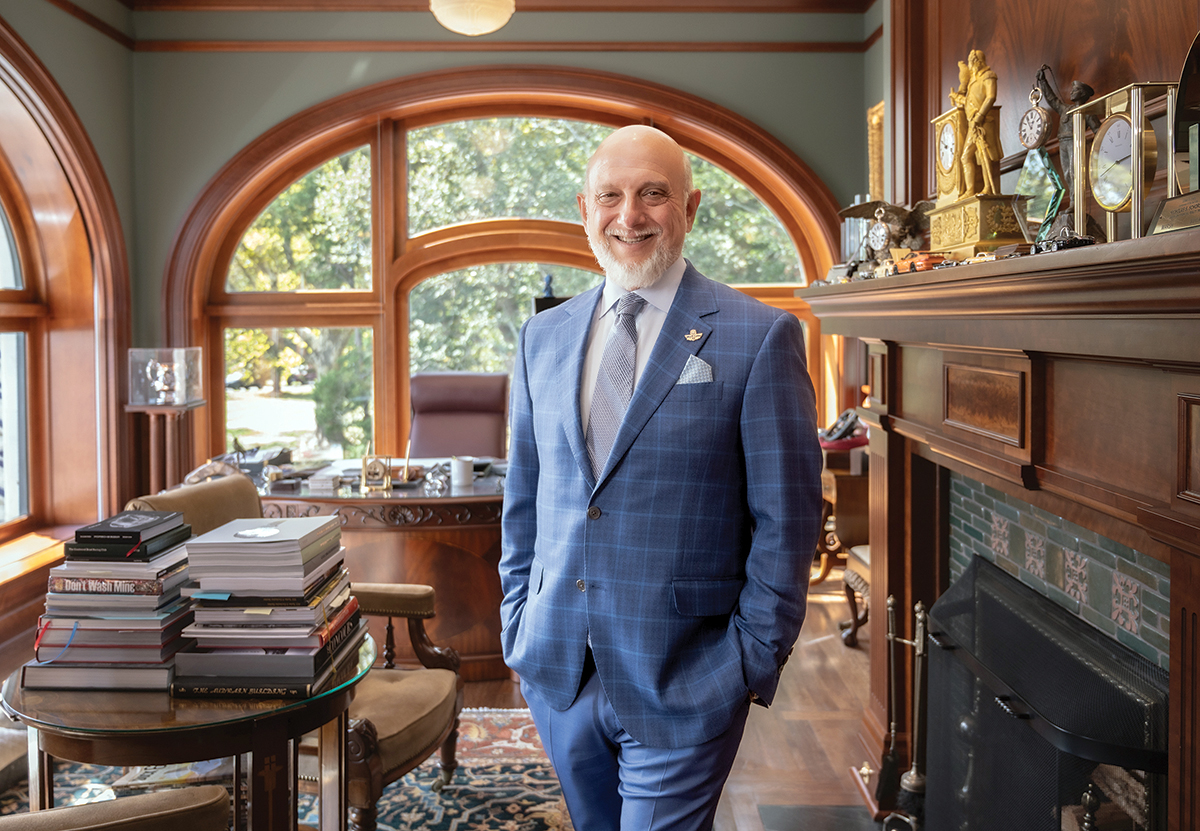
Nicholas Schorsch |
CEO, The Heritage Restaurant Group
1. What makes you so bullish on the restaurant/bar industry, which typically has slim profit margins? Rhode Island’s unique position – with both seasonal tourism and year-round economic drivers, including exceptional universities, robust maritime sector and nationally recognized employers – creates tremendous potential for well-managed establishments.
2. Do you feel you’ve been unfairly villainized by locals for buying so many established properties? I don’t feel villainized at all, but I understand the skepticism, especially in a region with as much history as New England and tight-knit communities like those found throughout Rhode Island. I understand a community’s attachment to beloved local establishments that have typically been serving multiple generations of community members.
Our goal isn’t to homogenize Rhode Island or New England’s dining scene; it’s to preserve and enhance what makes these places special while ensuring their long-term viability so that all our grandchildren and great-grandchildren can enjoy what drew us to them in the first place.
3. What are the greatest challenges facing the hospitality industry? Apathy. Apathy toward standards, customer experience, ingredient quality and employee development is an industry problem. We feel that a “good is good enough” mentality is unacceptable – we believe “good enough is the enemy of great.” It’s why when we acquire a new restaurant, we do things like move away from frozen products wherever we can and toward fresher ingredients because consumers can tell the difference, and the difference matters. … Regulatory compliance, from health codes to labor laws, continues increasing in complexity.
4. What is your long-term vision for Heritage? Over the next five years, we plan to expand our portfolio strategically, focusing on businesses with strong community ties, unique positioning, or significant improvement potential. This includes both acquisitions and ground-up development in both core and underserved markets.
5. How can state and local officials improve the hospitality business climate in Rhode Island? Streamlining permitting processes would have immediate impact. Currently, opening or renovating a restaurant involves multiple departments, multiple boards, inconsistent timelines, and months or years of regulatory work before you can even break ground.
Tax policy matters enormously. … Rhode Island’s combined state and local tax burden for restaurants puts us at roughly a 1%-1.75% tax disadvantage versus states like Massachusetts, Connecticut and Maine. That disadvantage adds up meaningfully for high-volume, low-margin businesses.