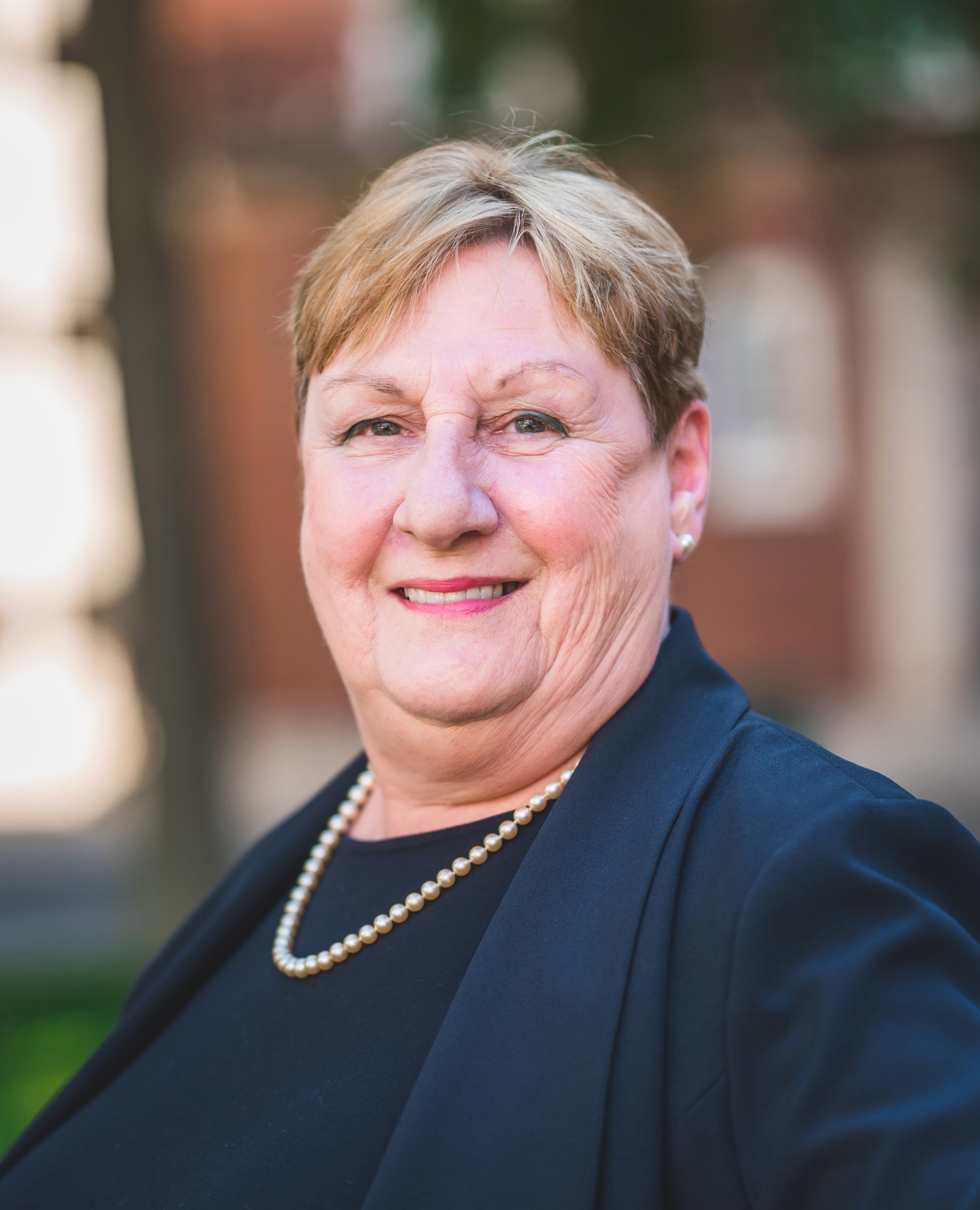
Paula Hudson is the executive director of Better Lives Rhode Island, having joined the organization in 2018 as a case manager. She leads a team committed to helping the most vulnerable in the community and is a tireless advocate for those in need. In April, Better Lives Rhode Island moved into a larger space in downtown Providence that allowed for the expansion of its social services programs. Hudson spoke with Providence Business News about the move and food distribution to those in need.
PBN: What was the impetus of relocating the organization to its new home at the Beneficent Congregational Church?
ISO 9001:2026: A Practical Opportunity to Build for What’s Next
For Rhode Island manufacturers, ISO 9001 has been much more than a certificate on the…
Learn More
HUDSON: Better Lives Rhode Island had outgrown our previous space on Hayes Street, which we occupied for eight years when we were previously known as Providence In-town Churches Association. We particularly sought out a more central downtown location with room to expand our services, especially our food pantry and social services program. Our needs were to increase shelf space, be located on a bus line, have handicap accessibility, and a monthly rent we felt was reasonable. After many months of looking, Beneficent Congregational Church offered us space in their lower level that checked off all our boxes. We moved into our new home at 12 Abbott Park Place in the beginning of April.
PBN: You say the face of hunger that the organization sees has changed. How so, and when did that change start happening?
HUDSON: The face of hunger really began to change at the height of the COVID-19 pandemic. As businesses closed and people were furloughed or lost their jobs altogether, the line at our pantry door began to grow quickly – folks who never needed help were struggling to put food on the table.
And although we’ve moved beyond the pandemic, we have seen another shift since moving to our new location. We are seeing more families with young children and many more seniors, which we attribute to our intentional proximity to several senior apartment complexes.
The Rhode Island Community Food Bank reports 1 in 3 Rhode Island households are food insecure, and we regularly hear our guests say that without us, they would have to choose between paying for rent, utilities and medication … or for food.
PBN: Better Lives distributed more than 168,000 pounds of food between May and the end of September. How did the organization keep up with that demand and where was most of that food needed?
HUDSON: If you look at our most recent, full fiscal year, July 1, 2022, through June 30, 2023, we distributed just more than 1.6 million pounds of food. A significant amount of that food came from the Rhode Island Community Food Bank free of charge. Without the generosity of the food bank, we would be unable to feed as many people in Providence as we do.
The city is our service area and where there is a lot of need, as evidenced by our numbers, and our new space allows us to handle a larger volume of food. The overall operation of our pantry depends on our ability to access private donations and foundation grants, of which some grants are earmarked to purchase additional food that supplements what we receive from the food bank.
PBN: How will the organization continue to meet that need?
HUDSON: Better Lives Rhode Island has provided food to the hungry in Providence since 1974 and in 2024, we will still be here to help our friends and neighbors. We are a resourceful organization and will continue to collaborate with our community – donors, foundations, local businesses and the food bank – to ensure we have the means to serve those who need us most.
One change that we have already implemented is the addition of Monday afternoon/evening hours, from 3-7 p.m. These new pantry hours are to accommodate those who work in the downtown area and are unable to access us during the day but who still need help to feed their families and themselves nutritious, healthy food.
PBN: The organization also helped place 52 previously homeless individuals into housing recently. What contributed to that and how is Better Lives continuing to work with homeless individuals to find permanent housing?
HUDSON: We have an extremely dedicated and talented staff of five social workers who work tirelessly to help those who are homeless. They work with both individuals and families to assess their situation and to develop a plan to ultimately achieve permanent housing.
Along the way, our clients may need additional supports such as medical or psychiatric help, or with regards to employment. But whatever their barriers to getting housed, we help break those down.
One of our social workers is a housing navigator/housing stabilization case manager who identifies potential landlords. Once a client is housed, she works diligently to help them remain housed, checking in regularly to ensure rent is paid, their apartment is tidy and that there are no issues with their landlord.
Many private landlords rent to BLRI clients because they know our staff is responsive and that we never abandon our clients. The bulk of our clients are housed through housing vouchers [such as] Section 8 and permanent supportive housing grants, as most have an income of less than $950 per month.
James Bessette is the PBN special projects editor, and also covers the nonprofit and education sectors. You may reach him at Bessette@PBN.com. You may also follow him on Twitter at @James_Bessette.