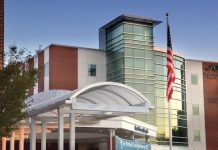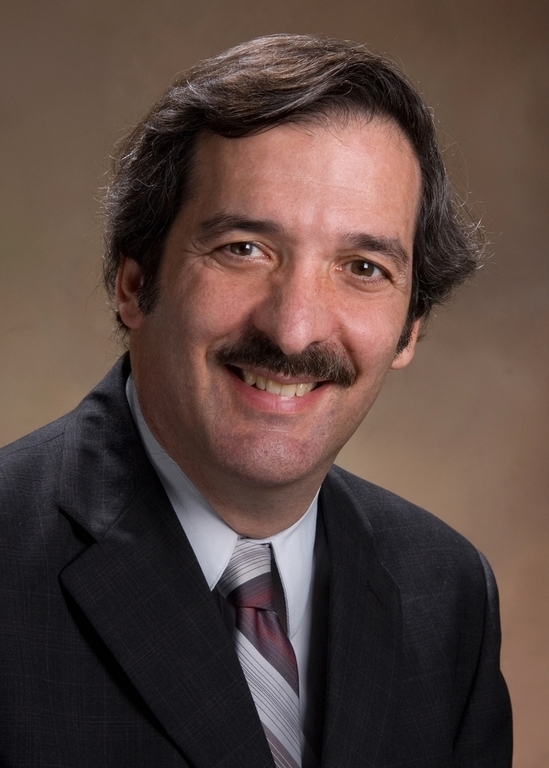
Rhode Island Hospital dermatologist Dr. Martin Weinstock has been awarded a $1 million, two-year grant from the Melanoma Research Alliance to develop a training program for primary care doctors to learn to screen their patients for melanoma, a potentially deadly kind of skin cancer.
The goal of the project is to develop a training module that doctors can use on the Web, and by getting them to do these screenings, cut melanoma deaths by half nationwide.
Melanoma is a cancer that begins in pigment cells (melanocytes), often in a mole. An estimated 68,720 cases are diagnosed in the United States this year, according to the National Cancer Institute, and 8,650 people will die from melanoma.
In a news release, Weinstock, who is also a professor of dermatology at the Warren Alpert Medical School of Brown University and a member of University Dermatology, said previous efforts have stabilized mortality rates, but “an increasing body of evidence indicates that effective early detection is our best hope for cutting melanoma deaths by at least half in the near future.”
Primary care providers, for the most part, lack the knowledge and skills to screen for melanoma, he said, and individuals generally don’t do skin self-examinations, either. The grant aims to tackle both those issues.
“We believe the program we are developing will allow a quantum leap in interactivity compared to prior efforts in melanoma screening,” Weinstock said.
The training will also cover dermoscopy, the use of a specialized microscope to examine skin lesions, aiming to bring it into the realm of primary care. Experts at Harvard University, Harvard Pilgrim Health Care, the Memorial Sloan-Kettering Cancer Center and other entities are involved in crafting the program.
Once the module is developed, Weinstock and other reserachers will test it with primary care doctors within a cancer research network, starting in Detroit and California. Once the program has been refined, it will be rolled out nationally.
“We believe that primary care physicians are our best defense [against melanoma], and with the right training, this goal can become reality,” Weinstock said.
The Melanoma Research Alliance is a public charity formed under the auspices of the Milken Institute to support international, cross-disciplinary research in melanoma. For more information, visit www.melanomaresearchalliance.org. To learn more about Rhode Island Hospital, go to www.rhodeislandhospital.org.