FOR IMMEDIATE RELEASE: March 17, 2014
Media Contact:
Jennifer Quigley-Harris Communications Coordinator, RIFPC
EMAIL: rhodeislandfpc@gmail.com TEL: 401-835-6838 www.rifoodcouncil.org
Harvard Law School’s Food Law and Policy Clinic Releases Report on Land Access and Land-Linking in Rhode Island
Report result of project between Harvard Food Law and Policy Clinic and the Rhode Island Food Policy Council to help identify, develop and implement policy priorities to improve Rhode Island food system
Rhode Island's Market Has Changed. Developers, Builders, Investors and Sellers Must Change With It.
By Emilio DiSpirito IV License Partner | Engel & Völkers Oceanside Leader | The DiSpirito…
Learn More
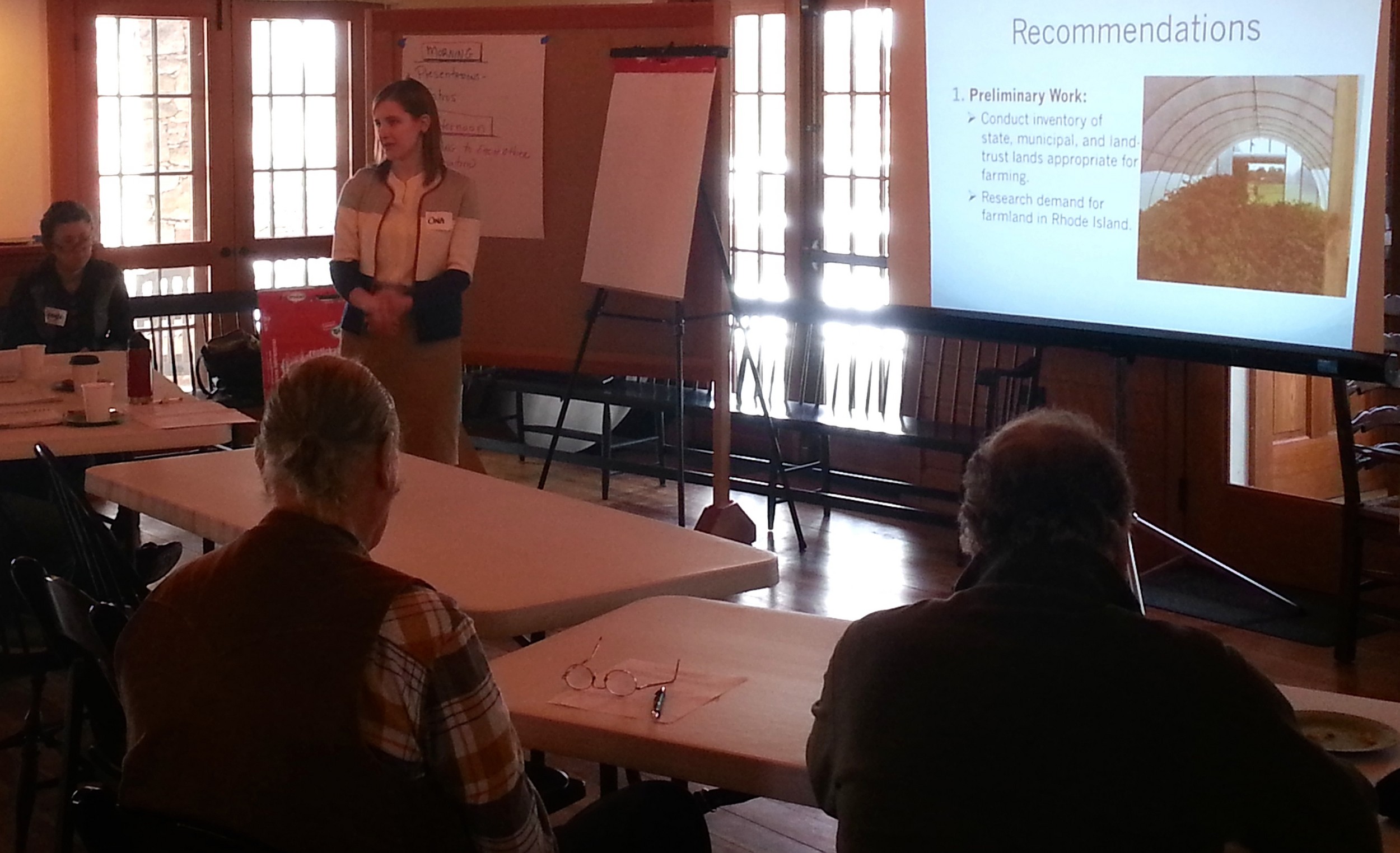
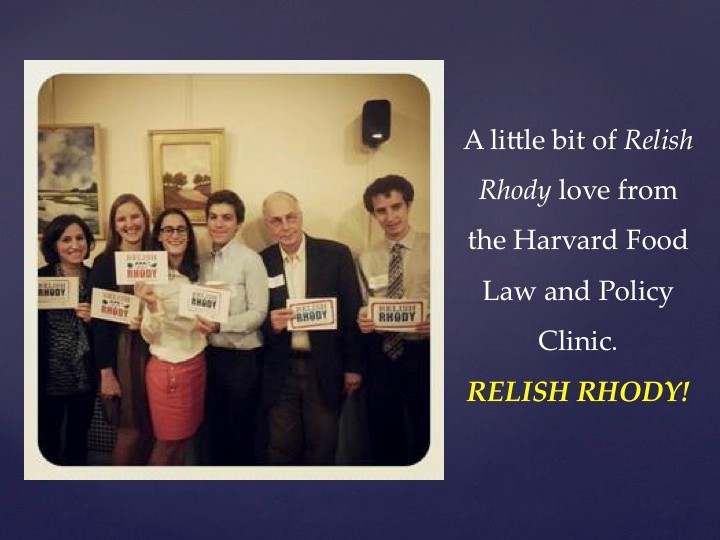
South Kingston, RI – March 2014 – Ona Balkus, Clinical Fellow at the Harvard Law School Food Law and Policy Clinic (HFLPC), presented a newly-released in-depth report “Rhode Island Land-Linking Program: Background Research and Policy Analysis” to attendees of the 2014 Community Farm Network Meeting on March 4. The report is the first study completed under a partnership between the HFLPC and the Rhode Island Food Policy Council (RIFPC) in which Harvard Law students are assisting the Council to research and better understand key policy issues affecting Rhode Island’s food system.
High land costs and limited land availability are major barriers to one of the RIFPC’s long-term goals: increased production of Rhode Island-grown food. The newly-released 2012 Agricultural Census indicates that the number of Rhode Island farms continues to increase, and the increase is driven by new farmers. However, new and expanding farmers quickly run up against the fact that it is difficult to find farmland and that, at $13,600 per acre, Rhode Island’s average farmland cost is the second highest in the country.
Land-linking is a strategy for farmland access. It often includes farmland listing functions to help farmers find land as well as technical assistance services to get them started farming. Public land-linking is an initiative whereby government entities – either at the federal, state or municipal level – provide public land to private parties, often with a goal of promoting a certain type of land use (e.g. agriculture). Private land-linking programs connect private landholders with farmland-seekers usually to provide two main services – to post listings of real estate opportunities for sale or lease and to provide farmland-seekers with information and educational materials about available land.
The report assesses the current landscape of land access in RI, details the benefits, challenges and structures of private and public land-linking programs and ends with recommendations for implementing a successful and comprehensive land-linking program in Rhode Island. The comprehensive report is available on the RIFPC website – www.rifoodcouncil.org.
About the Harvard Law School Food Law and Policy Clinic:
The Food Law and Policy Clinic of the Center for Health Law and Policy Innovation was established in 2010 as an experiential teaching program of Harvard Law School that links Harvard Law students with opportunities to work with clients and communities on various food law and policy issues. Clinic projects aim to increase access to healthy foods, prevent diet-related diseases, and assist small and sustainable farmers and producers in participating in local food markets. For more information about the Harvard Law School Food Law and Policy Clinic, email flpc@law.harvard.edu or visit http://blogs.law.harvard.edu/foodpolicyinitiative.
About Rhode Island Food Policy Council:
The Rhode Island Food Policy Council (RIFPC) envisions a day when Rhode Island’s food system will be a national model because of the strength of its local food system and its success at achieving community food security and optimal public health. The RIFPC’s work is coordinated by a statewide collaboration of diverse, committed and engaged stakeholders from all sectors of the food system. For more information visit www.rifoodcouncil.org.
###