From the outset, many thought he might be the one. And in fact, Texas Gov. Rick Perry might very well become the Republican nominee to square off against President Barack Obama in the general election. But right now, he’s in the middle of a heated, three-person race: Gov. Perry, former Mass. Gov. Mitt Romney … and Gov. Perry.
The Texas governor currently leads in the polls and brings bravado and swagger to the campaign trail. But his inexperience on the national stage is affecting his candidacy.
For years, I have advised clients to think before they speak. Develop key talking points and communicate them in a debate, press interview, or prepared statement. Think about the message before it is sent, and analyze how it will be deciphered by the receiver. In this case, the receivers are American citizens and corporations, as well as the world around us. Even more, a presidential strategy must include awareness of how the press corps will channel the message to their audiences.
This was the magic of Ronald Reagan. Despite having much of the media against him and many critics on the other side of the aisle, his radio and acting background, coupled with his strong political convictions and experience as governor of California, enabled him to play off his conservative and cowboy credentials, making him sound tough, yet polished.
Let’s take a look at a few communications missteps by Gov. Perry and how these might be handled differently down the road. First off, the adage that “any PR is good PR” is just wrong. Nothing could be further from the truth.
Perry opened up with a verbal shot at Federal Reserve Chairman Ben Bernanke that he might be guilty of “treasonous” behavior for his economic policies. The story became the word “treason,” rather than his message. If he would have simply delivered tough talk about the Fed’s policies and behavior, he could have gotten his message across and sounded “presidential.” This communications gaffe created a negative first impression of him with many Americans.
Bring into the communications package a combination of statistics, financial analysis, independent experts and testimony, along with a clear vision for the future of the program that Americans can grasp and understand. This is political leadership and sound communications.
On another front, Gov. Perry said: “I would no more consider living in Massachusetts than I suspect a great number of folks from Massachusetts would like to live in Texas.” And in a media interview, when asked about vacationing on Martha’s Vineyard, he stated: “I’m not even sure where it is.”
These two statements are faulty communications as well. It is understandable if he doesn’t believe in the liberal traditions of Massachusetts. But the president must display an appreciation for all of America’s diverse regions.
He’s been called “street smart” over “book smart,” a fighter pilot who is a tough talker and who tells it the way it is. That’s all fine and good, but as the leader of the United States, you can’t just pop off and shoot from the hip. He needs to develop a program to think through how he will use communications to help his ideas resonate with the American people, and then stick to the script. There’s a fine line between tough talk and erratic behavior, and words are a politician’s assets – they have consequences to families, markets and nations.
Certainly, candidates need to be themselves on the campaign trail and go with what has worked with them in the past – up to a point. But now, on the national stage, with so much on the line, it’s much different, and the stakes are much higher. It’s time Gov. Perry clicks his heels and realizes he’s not in Texas anymore.
Thus until Gov. Perry can figure out Gov. Perry, the likely winner in the three-person race might very well be Mitt Romney. •
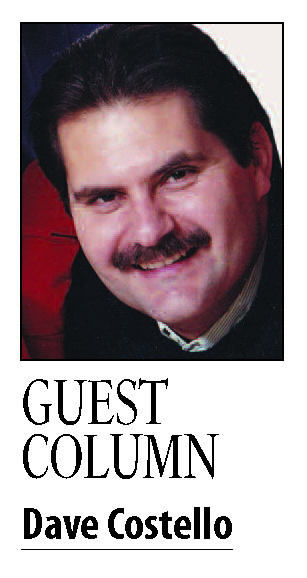
Dave Costello is a political commentator, public-policy critic and management consultant. He is a former professor of communications at Boston University and Emerson College.
Beyond Cash Donations: How New Forms of Giving Are Transforming Not-for-Profit Accounting
Evolving Funding Landscape for Not-for-Profits Not-for-profit organizations are being asked to do more with less,…
Learn More