The Surviving Sepsis Campaign, an effort to reduce deaths from sepsis and septic shock in hospitals around the world, has been linked to substantial reductions in sepsis mortality, a researcher based at Rhode Island Hospital and Brown University reported last week.
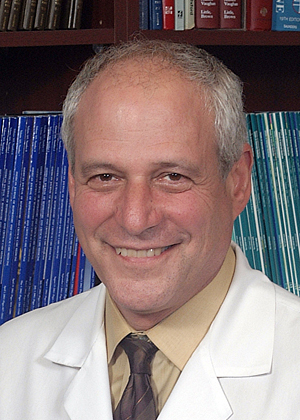
Dr. Mitchell M. Levy, medical director of the medical intensive-care unit at Rhode Island Hospital and professor of medicine at Brown’s Warren Alpert Medical School, is the lead author of an article published simultaneously in the February issues of Critical Care Medicine and Intensive Care Medicine and posted online at www.ccmjournal.com.
The article notes that hospitals that adopted “bundles” of care guidelines from Surviving Sepsis had seen their sepsis mortality rates decrease from 37 percent to 30.8 percent over two years, with greater improvement the longer a site participated in the campaign.
“A multifaceted performance improvement initiative was successful in changing treatment behavior, as evidenced by a significant increase in compliance with sepsis performance measures,” Levy said. “These results should encourage similar efforts with other evidence-based guidelines as a means of improving patient care and outcomes.”
Each “bundle” includes a series of evidence-based therapeutic actions that, when applied together and adhered to, have been shown to improve outcomes more than individual measures alone. The study showed sustained and continuous improvement in the quality of sepsis care when the bundles were applied.
Surviving Sepsis was launched in 2002 by the Society of Critical Care Medicine, the European Society of Intensive Care Medicine, and the International Sepsis Forum. The project’s updated 2008 guidelines are endorsed by 18 professional societies and hospital networks globally.
The study led by Levy looked at 15,022 patients with severe sepsis or in septic shock in intensive-care units, emergency departments and wards at 165 hospitals in 30 countries. This is the largest prospective series of severe sepsis patients yet to be studied, researchers said.
In an accompanying editorial, Dr. Simon Finfer, of The George Institute for International Health and the University of Sydney, Australia, stressed that sepsis and septic shock “remain major public health issues” that are likely to keep increasing as developing nations’ populations get older. In addition, they remain “major killers” in developing nations.