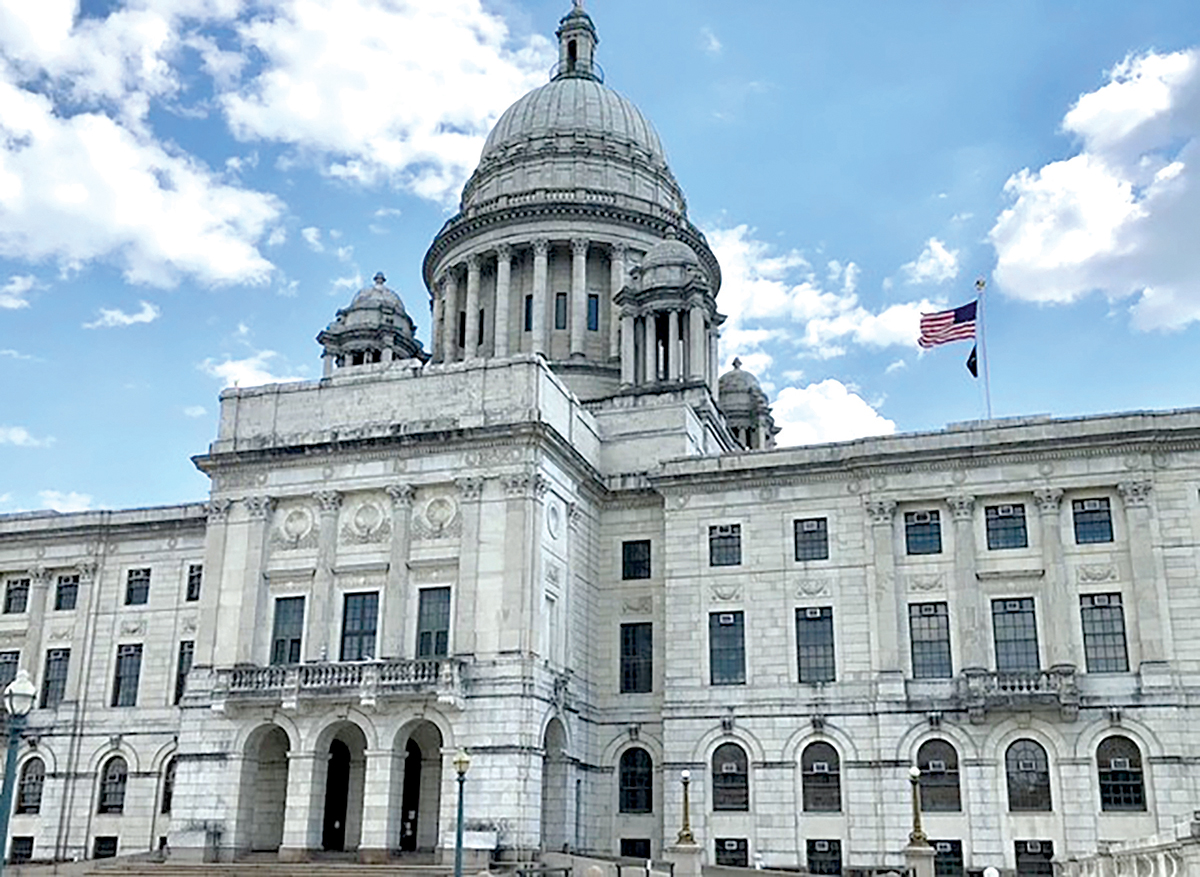
State lawmakers are back with another massive state revenue surplus, now projected at $610 million, likely at their disposal. But having lots of money to spend, while better than starting the year eyeing deep cuts, does not equate to easy decisions or agreement over how. That’s because no matter how much is available, it is
Already a Subscriber? Log in
To Continue Reading This Article
Become a Providence Business News subscriber and get immediate access to all of our premier content and much more.Learn More and Become a Subscriber
- Critical RI business news and analysis updated daily.
- 1 year of print (26 issues).
- Unlimited access to all subscriber only content on our website, on any device.
- Free email alerts.
- Annual Book of Lists Print Edition.
- All special issues produced during subscription term.
Click Here to purchase a paywall bypass link for this article
PBN Branded Content
ISO 9001:2026: A Practical Opportunity to Build for What’s Next
For Rhode Island manufacturers, ISO 9001 has been much more than a certificate on the…
Learn More