We all remember Aesop’s fable about the grasshopper and the ant. The grasshopper lived day to day, eating the food available during the summer, while the ant worked hard to get ready for the winter by storing food. When the winter set in and the grasshopper found himself dying of hunger, he realized the moral of the story: It is best to prepare for “days of necessity.”
While Aesop was probably not thinking about work force planning when he wrote this long ago, the moral is certainly applicable today. Many organizations manage for the day, reacting to organizational need by filling jobs only as they become vacant.
This approach is further compounded by the fact that, in this globally competitive environment, companies have tried to stay as lean as possible to reduce overhead costs and maintain or improve profitability. That means that there is less “talent in development,” as the ability to keep more people in the farm system is diminished. This leaves the organization vulnerable in three ways.
The first vulnerability is when an organization loses a key player. Think about who those players are and what it might do to your business if one of them left your company. How long will it take to replace them and how much potential business might you lose?
Second, organizations may be caught unaware as supply and demand for labor shifts. The U.S. Department of Labor predicts that by 2011 we will be short 3 million workers in the United States. In a knowledge-based economy such as ours, it is no longer easy to shift gears and recruit and train workers on short notice. We are already experiencing shortages in fields such as nursing, engineering and accounting.
And finally, even if you are well staffed in your key areas today, have you thought about your work force of tomorrow? What new skills will you need three or five years from now, and will you have to build or buy them?
The starting point to addressing the days of necessity is to conduct a demographic assessment of your company – what is the composition of your work force by age and skill set? And how will you develop the skill sets and knowledge base you need to drive your business plan?
In one organization I worked with, engineering was a vital competency. Due to several rounds of takeover attempts, hiring of engineers had stalled for several years, and the talent pool had grown shallow. Nearly three-fourths of the engineers were in their 50s. The assessment process demonstrated that there were new technical skills needed to move the company forward that were not present in the company’s existing work force.
You don’t have to be a big company to plan ahead. A demographic assessment is scalable to whatever size you are. But you cannot do it just in your head. The work force planning process must be an integral part of your business planning, as important as your budgeting or marketing plan.
Once you understand the demographic makeup of your organization and you know where any possible holes in future staffing could appear, you will need to create a supply chain model for talent management.
Why is examining your supply chain of talent so important? As the generational composition of your work force continues to change, you must develop new strategies to attract, develop and retain talent in a more proactive and systematic manner.
At first glance, this may seem to be a straightforward issue. Yet finding and keeping talented people is a complex process. Newly hired individuals fill different functions, with different levels of skill, knowledge and ability.
They are from different generations, are at various stages of their careers, and possess a mix of attitudes, opinions and expectations. Performing a demographic assessment may sound like a daunting task, but if you view it with a positive attitude and as an opportunity for innovation in hiring, you will be able to look to the future with confidence.
Next on the agenda is an assessment of the workplace culture. Assessing the organization’s culture allows you to better understand why people join and why they stay. Decide whether you are growing, shrinking or changing in other ways, and ask yourself what this will mean for employees.
Align your culture and management to meet the expectations of your generational talent. Because one size does not fit all, you may need to create a work environment team, made up of dedicated, capable individuals who take the time to examine workplace issues and develop strategies to address them.
Finally, your main connecting point across all generations is each person’s manager. Once you educate and inform managers about intergenerational issues, it should be their responsibility to provide coaching, feedback and develop new solutions for changing conditions.
Few companies today are strategic in their acquisition of their most costly and important asset: people. They are mostly reactive. Staying proactive, on the other hand, on the issues of work force planning will ensure your organization is equipped with the most critical designs for your business’s future. •
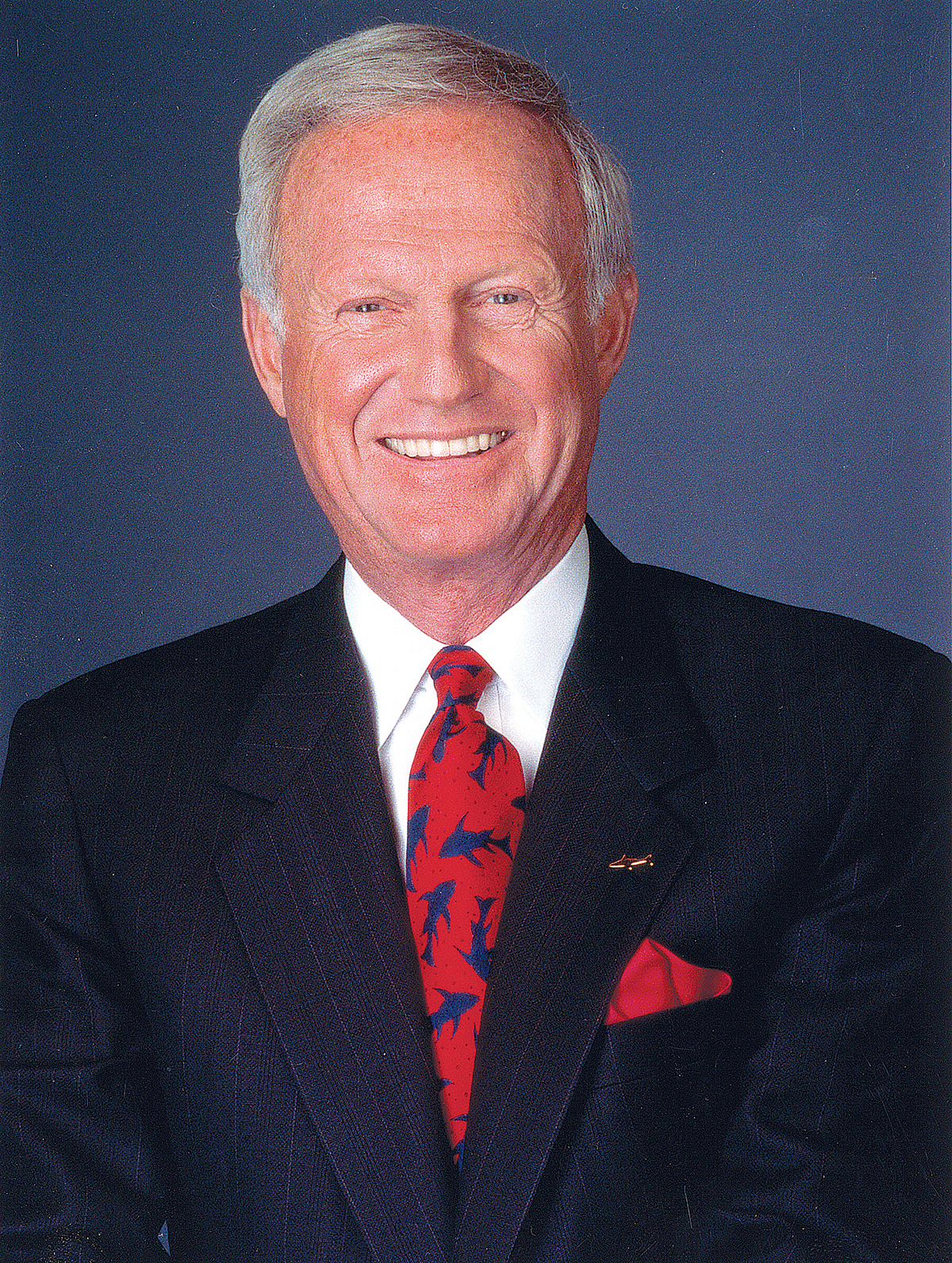
Bob Kustka is a human resources consultant with The Fusion Factor in Boston.


No posts to display
Sign in
Welcome! Log into your account
Forgot your password? Get help
Privacy Policy
Password recovery
Recover your password
A password will be e-mailed to you.
- Featured Event -