Social intelligence is essentially the ability to “work a room.” Holding conversations with a wide variety of people, listening effectively, fostering strong relationships and reading other’s emotions to see what makes them tick. This skill is invaluable in not only life, but in the business world where connections are key. A business’ strong online presence is crucial to success; therefore, “digital” social intelligence is becoming more vital than ever.
Social media adoption and use within the United States is staggering, with a power and scale that is undeniable. According to eMarketer, 162.9 million U.S. Internet users will log onto Facebook at least once per month, along with 89.4 million on Instagram and 56.8 million on Twitter. In June of 2016, 90.4 percent of U.S. adults ages 18-plus logged onto Facebook, 56 percent onto LinkedIn, 51.9 percent onto Instagram, and 48.7 percent onto Twitter.
Beyond Cash Donations: How New Forms of Giving Are Transforming Not-for-Profit Accounting
Evolving Funding Landscape for Not-for-Profits Not-for-profit organizations are being asked to do more with less,…
Learn More
According to eMarketer, U.S. social media advertising revenue will total a mind-numbing $13.6 billion in 2016. To further exemplify this point, total U.S. social media advertising has increased over 100 percent from 2014-16.
Of the $13.6 billion U.S. advertising expenditure, Facebook has a staggering 75.6 percent share. Twitter follows with a 12.1 percent share, LinkedIn with 4.9 percent, and social games hold 2.5 percent. While social media services are trying to push video ads to their advertisers, there are other modes of creativity to utilize, such as static ads or carousel ads. Best practices for marketers should be split A/B/C testing between video, static and carousel.
One of the most important statistics for social media may be that 86 percent of Facebook users do so through a mobile phone. According to Publicis Groupe’s Zenith, by 2018, 74 percent of advertising dollars will be spent on mobile. This means that creative messaging must be large enough to read on a phone, and it must stand out among all the content streaming through social media feeds. Marketers must figure out strategies to stand out and gain an “actionable” response.
An “action” is defined by most social media companies as a like, click, share, comment, or some other form of engagement initiated by a social media user. Measuring social media is of utmost importance. The central measurement a marketer should assess is the cost-per-action. CPA is the total cost divided by the number of actions generated, and it helps to determine the success of a campaign.
Most social media platforms allow marketers to target by primary demographics, granular data selects and interests. Also of great importance is the ability to target geographically, which allows for very directed campaigns. When using social media, advertisers must be cognizant of the demographics of each platform. Facebook growth is primarily from Generation X, and Instagram is dominated by the older end of Generation Y. Snapchat is experiencing tremendous growth among young Generation Y and Generation Z members with a reach that includes 60.7 percent of 18-24-year-olds.
However, it is important to keep in mind that all social media services are “walled gardens,” a fertile marketing area controlled wholly by its owners with no independent third-party auditor of audience impressions. Traditional medias are audited by third-party ratings companies such as Nielsen, ComScore and eMarketer. Social media companies do not let third-party organizations audit their ratings. They keep up the walls to protect their gardens. This is something that marketers should be concerned with.
Social media is an undeniable marketing necessity. All businesses should assess their marketing expenditures and make a valuation of social media. •
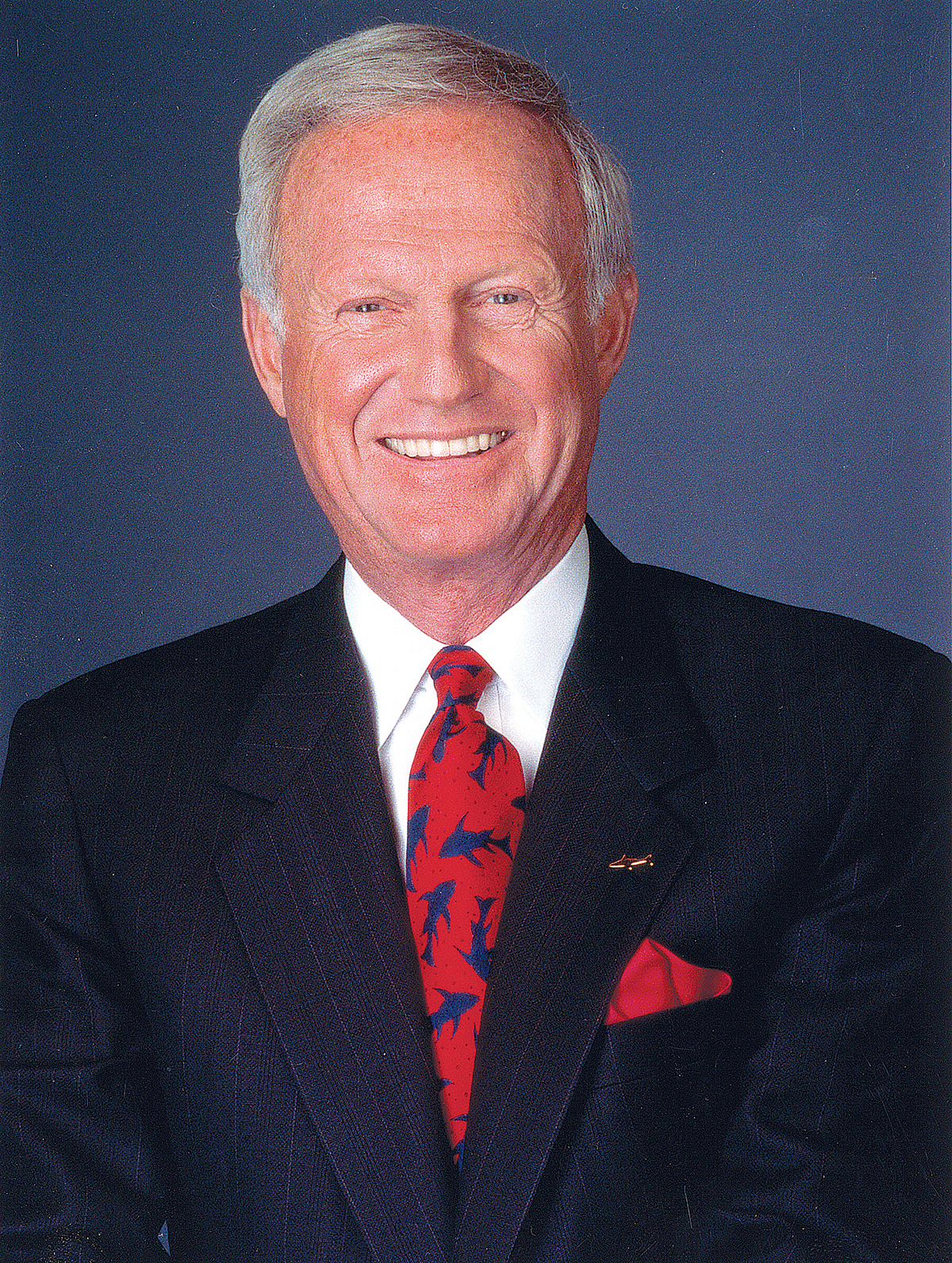
Blair Fish is president and CEO of Fish Advertising in East Greenwich.