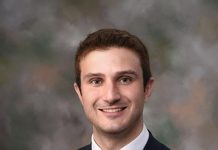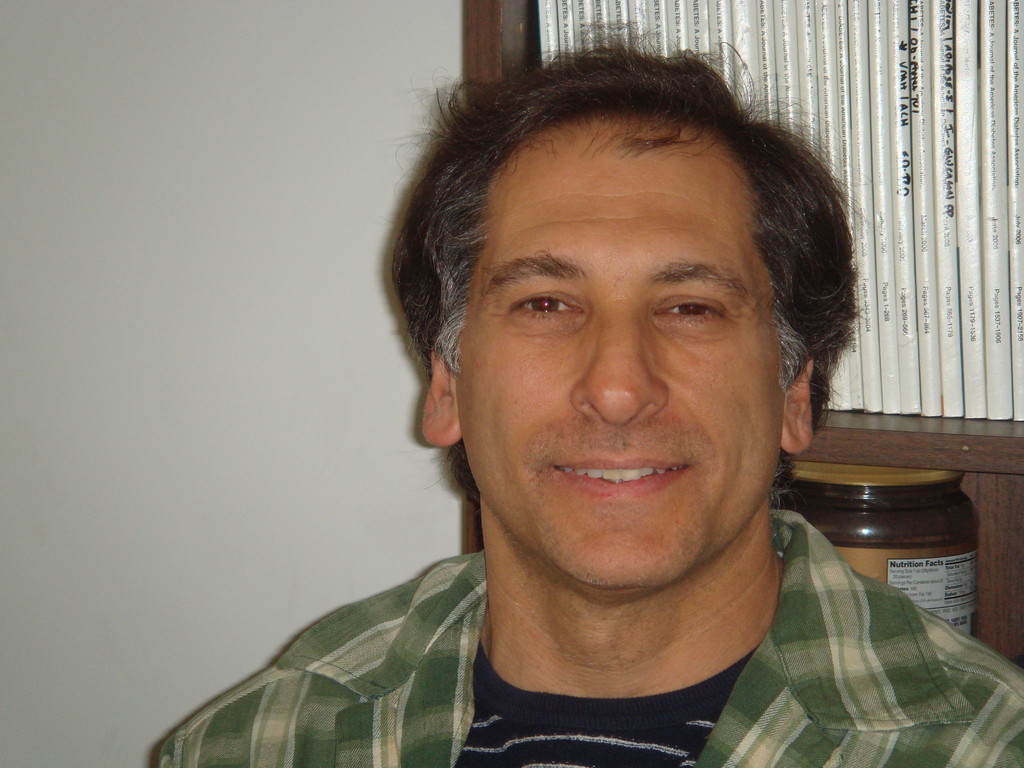
Anthony Cincotta, president and chief scientific officer of Tiverton-based VeroScience LLC, is a scientist-turned-entrepreneur who has used the study of biological clock systems in wild animals to create new pharmaceuticals to treat human diseases, such as Type 2 diabetes.
The success of the drug Cycloset, which received FDA approval in 2009 for the treatment of Type 2 diabetes, has spurred new research by his small biotechology firm into finding ways to treat cancer and autoimmune diseases.
In Type 2 diabetes, the body’s blood sugar and metabolic control becomes deranged, according to Cincotta. By looking at the manner in which wild animals’ neurophysiology controls for insulin, Cincotta was able to help develop the new drug treatment.
At the heart of Cincotta’s work is his research focused on what’s called circadian neuro-endocrine resetting therapy which means how the brain controls the body’s natural mechanisms.
Cincotta, who has plans to triple his operations in the next few years, is a man of few words but big ideas.
PBN: Your research is focused on what’s called the circadian neuroendocrine resetting therapy. In layman’s terms, what does that mean?
CINCOTTA: We use therapeutic approaches that “fix” aberrations in biological clock systems in the body that are causative in disease.
Seifert Systems Invests in Energy Efficiency to Strengthen Operations
For manufacturers, energy is more than just another operating expense. It plays a critical role…
Learn More
PBN: Following up on the success of your Type 2 diabetes drug, what’s next?
CINCOTTA: We are looking to develop pharmaceuticals using our company’s platform technology for cancer and autoimmune diseases.
PBN: You have talked about tripling the number of VeroScience employees and consultants, which now number about 20. How will you accomplish that?
CINCOTTA: We will seek out new capital investment to do that.
PBN: Much of the research has focused on animals in the wild. What clues do you look for?
CINCOTTA: We look for clues identifying increases in brain dopamine receptor activity as a therapeutic approach to treat metabolic disease. In the future, in our research, we will investigate biological clock regulation of immune function in an effort to develop treatment strategies for cancer and autoimmune diseases.
PBN: Would you consider moving your laboratory and offices to become part of the new knowledge district in Providence?
CINCOTTA: We like our location now and are not moving; but, [if there were an opportunity] to become a part of a broader biotechnology community in the state, we would consider expanding to this district in some capacity.