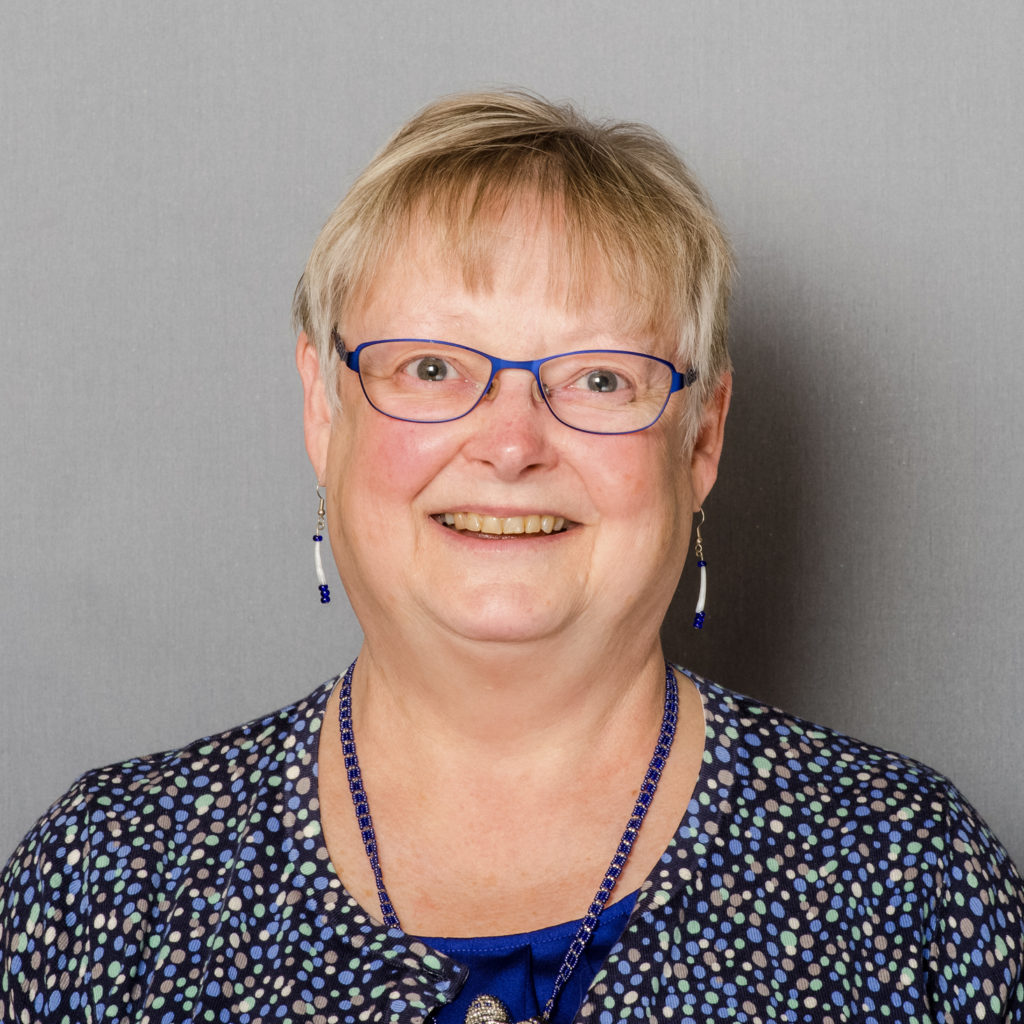
Betsy Canino is PACE Organization of Rhode Island’s chief of clinical services. She discusses how PACE is serving seniors in Rhode Island outside of a nursing home setting.
PBN: How many participants does PACE Rhode Island serve, and what types of services do you provide?
Rhode Island's Market Has Changed. Developers, Builders, Investors and Sellers Must Change With It.
By Emilio DiSpirito IV License Partner | Engel & Völkers Oceanside Leader | The DiSpirito…
Learn More
CANINO: We serve 350 frail elderly participants at four day centers throughout Rhode Island. These are adults age 55 and older with complex, chronic health conditions who are at risk of having to go to a nursing home but want to continue living at home.
We are both the insurer and primary care provider, and offer everything an elder would need to stay well, including primary and specialty care, behavioral health, dental, physical and occupational therapy, medicines, home care and a host of other clinical and social services. We also provide day center services with life enrichment activities, meals and transportation.
PBN: How has the coronavirus outbreak changed the way you care for participants?
CANINO: Rather than have PACE participants come to our clinics and day centers during the COVID-19 crisis, we completely flipped our model and, based on daily phone outreach, our doctors, nurses, social workers and CNAs [certified nursing assistants] now go directly to our participants’ homes to keep them healthy and well.
Also, we are now sending care packages with fun activities, meals, medicines and medical supplies directly to their homes. Because we are the insurer, as well as provider of care, we were able to make these changes within days.
PBN: How have participants responded to the changes?
CANINO: Most participants have been very appreciative of the personal attention and care that they are receiving. Our team is going above and beyond to ensure that nutrition, cleanliness and engagement remain top priorities for them.
While it may be difficult for the participants to feel a part of the community during this crisis, we are doing everything we can to keep them happy, active, connected and healthy.
PBN: Do you foresee any changes you’ve made to services becoming permanent after the current health crisis eases?
CANINO: Potentially. For example, we are trialing a HIPAA [Health Insurance Portability and Accountability Act of 1996]-compliant texting service to connect our staff who are on the road now.
There are other services that may continue, but one of the secrets to our ability to improve the health and wellness of our participants is what happens in the PACE centers. Participants make wonderful connections with staff and peers. This routinely helps with alleviating feelings of anxiety, loneliness and depression, and gives people a sense of purpose.
PBN: What sort of demand is there for services for people who want to age in their own homes?
CANINO: Our participant census grew by 13% last year and, based on demographics, we expect even greater growth in the coming years.
Most of us feel more comfortable and content in our own home environment, with familiar faces, sounds and smells around us. It’s not surprising that more people would want to take advantage of a health plan that supports the choice to remain at home when you are growing older and may feel more vulnerable.
Awareness is our biggest challenge, but once families realize the PACE model exists, they and their loved one are elated to have an option besides a nursing home.
Elizabeth Graham is a PBN staff writer. She can be reached at Graham@PBN.com.