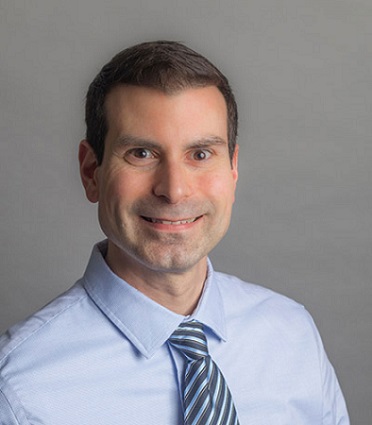
Brandon Gaudiano is the program director of Butler Hospital’s Transitional Outpatient Program, which provides a variety of treatment services to patients who have recently been discharged from the hospital.
The program is designed to be short-term and focused on the initial months following a hospital stay. The team includes a psychologist, advance practice nurse, licensed counselor and case managers with experience working with patients following psychiatric hospitalization.
With June 27 being recognized as Post-Traumatic Stress Disorder Awareness Day, Gaudiano recently spoke with Providence Business News about post-traumatic stress disorder, or PTSD.
PBN: How many people are affected by PTSD?
GAUDIANO: Millions of people in the U.S. are affected by PTSD, making it a significant public health concern. While estimates vary, approximately 6% of U.S. adults will experience PTSD at some point in their lives.
PBN: Who is most at risk of developing it?
GAUDIANO: Everyone faces a risk of developing PTSD, but certain individuals are more vulnerable due to their exposure to traumatic events. Military veterans; first responders such as firefighters, police officers, paramedics; and survivors of violence are among those at highest risk.
PBN: What are the signs and symptoms of PTSD?
GAUDIANO: To qualify for a diagnosis, an individual must have experienced, witnessed or been exposed to a potentially life-threatening event. Subsequently, they may have intrusive memories or flashbacks, avoid triggers related to the trauma, exhibit negative mood changes, or show physical symptoms like trouble sleeping. If these symptoms persist for longer than a month and cause significant distress or impairment, a diagnosis may be appropriate. However, only a licensed mental health professional can diagnose PTSD after a comprehensive evaluation.
PBN: How can it affect a person’s daily life?
GAUDIANO: PTSD is a highly debilitating mental health condition that can adversely impact a person’s relationships, work ability, and overall life satisfaction and quality. Studies estimate that individuals with PTSD are over twice as likely to face a risk of suicide compared with those in the general population.
PBN: What resources are available for those facing PTSD?
GAUDIANO: Reducing stigma surrounding PTSD is essential to help individuals access the support they need. PTSD is highly treatable, with up to 80% of people making significant improvements through evidence-based treatments such as trauma-focused psychotherapy. Research particularly highlights the effectiveness of cognitive-behavioral therapies in treating PTSD. Medications can also be beneficial as supplementary options alongside therapy.
The American Psychological Association has issued Clinical Practice Guidelines that detail the latest PTSD treatment recommendations based on current research, along with resources for families and patients. You can find it here: www.apa.org/ptsd-guideline. To get direct help and guidance about mental health services, call the Butler Hospital Behavioral Health Service Call Center, available 24/7 at 1 (844) 401-0111 or visit
butler.org.
Katie Castellani is a PBN staff writer. You may contact her at Castellani@PBN.com.