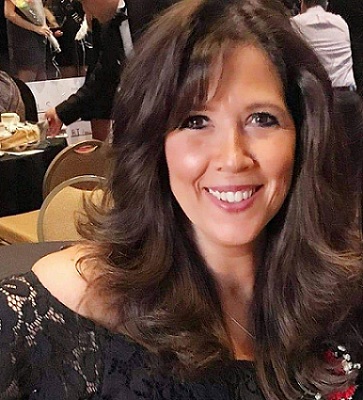
Carla Mulhern is the new executive director of the American Heart Association’s Southern New England market. She was previously the area director at the Rhode Island Chapter of the Leukemia and Lymphoma Society and the director of development for the Tomorrow Fund.
Mulhern spoke with Providence Business News about her plans with the heart association’s local market and how the organization will address challenges brought on by the ongoing COVID-19 pandemic.
Seifert Systems Invests in Energy Efficiency to Strengthen Operations
For manufacturers, energy is more than just another operating expense. It plays a critical role…
Learn More
PBN: What attracted you to wanting to lead the American Heart Association’s local market?
MULHERN: Heart disease runs on both sides of my family and in 2015, my husband suffered a stroke while he was at work. His co-worker immediately knew from his symptoms what was happening and was able to call 911 immediately. My husband was able to get to the hospital quickly and is doing well today. If it were not for the messaging and awareness from the American Heart Association about the stroke warning signs, his co-worker might have ignored it and my husband’s story might have been different. I am honored and proud to be a part of this amazing organization.
PBN: What are your goals for the organization?
MULHERN: Every person deserves the opportunity for a full, healthy life. As champions for health equity, by 2024 the American Heart Association will advance cardiovascular health for all, including identifying and removing barriers to health care access and quality.
I feel so strongly about the American Heart Association’s mission to be a relentless force for a world of longer, healthier lives. I feel that the key to any organization is our volunteers! They are ultimately why we do what we do and why we work so hard. We really want to strive not only for our volunteers but also for awareness and getting out into our communities to help with their overall heart health and wellness.
PBN: The COVID-19 pandemic has upended many elements of life, including health care. How has the pandemic impacted the American Heart Association and how will the organization address those challenges?
MULHERN: The opportunity for a long, satisfying, healthy life is a fundamental human right. But not everyone has that opportunity. We have been working to address this for a long time, and the COVID-19 pandemic has exacerbated the fact that not everyone can access basic needs for a healthy life, including quality health care. It takes a comprehensive approach, including a focus on policies, systems and environments, to ensure equitable heart and brain health for all.
We are working with researchers, medical experts, hospitals, community leaders, businesses, families to reduce the impact of COVID-19. We’re fast-tracking research like never before to investigate the cardiovascular implications of COVID-19, and we’re helping to accelerate discovery of anti-COVID-19 drugs. We are advocating for better access to care, and we’re meeting the needs of health care workers, parents, teachers and those living in historically excluded communities so that all have the physical and mental health support they need.
I have a sincere appreciation for collaboration and support the direction of the American Heart Association moving toward heavier focus on health equity and the measurable impact we can make here in southern New England.
PBN: How is the organization continuing to provide services to the community during the pandemic?
MULHERN: Even in the middle of a pandemic, people are still suffering from heart disease and stroke. We are continuing every day on our mission to be a relentless force for a world of longer, healthier lives. Raising lifesaving funds and creating awareness is so critical to our communities. We are tasked with providing education and resources that help our families be able to live a heart-healthy lifestyle and take action against heart disease and stroke.
It is important to let people know that hospitals are safe, so if you are experiencing symptoms to immediately call 911. Eighty percent of heart disease is preventable, so making sure individuals are educated on signs and symptoms along with being preventative is so crucial.
PBN: Tell us about the “Live Fierce” mission concept and how will it help the community as a whole?
MULHERN: Live Fierce is the unifying idea that binds the power of the American Heart Association brand with its comprehensive impact – achieving health for all and saving and improving lives. It’s our powerful rallying cry urging our communities to join together as allies for longer, healthier lives for everyone everywhere.
When we talk about Live Fierce, we are focused on individual and community impact. Every person deserves the opportunity for a full, healthy life. By boldly addressing the health issues impacting southern New England, the resilient tone of the Live Fierce mindset will drive the AHA’s work to create sustainable policy, system and environmental changes to ensure equitable health and healthier, longer lives for everyone in our community.
James Bessette is the PBN special projects editor, and also covers the nonprofit and education sectors. You may reach him at Bessette@PBN.com. You may also follow him on Twitter at @James_Bessette.