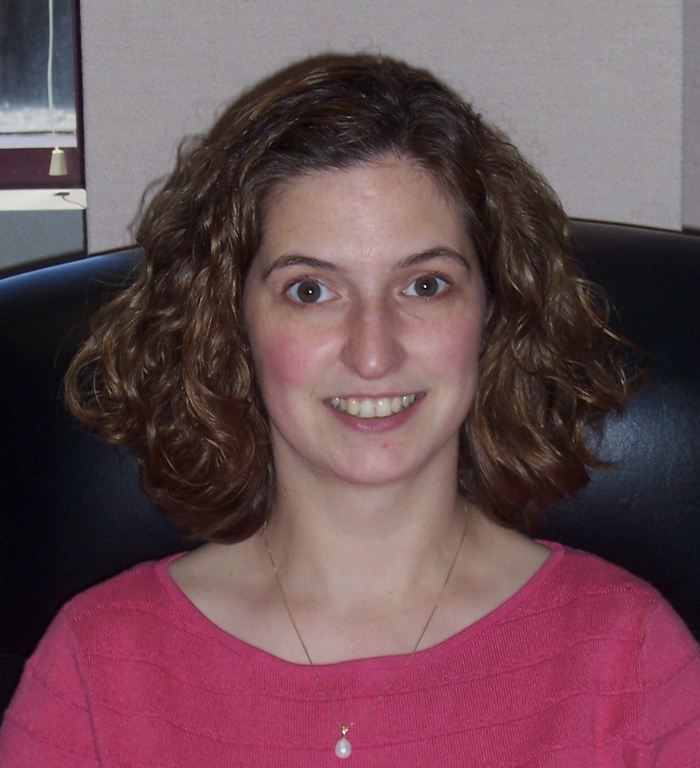
Dr. Brenna Anderson of Women & Infants Hospital recently won a research excellence award from the Society for Maternal Fetal Medicine for her presentation at the group’s annual meeting on a study looking at how well pregnant women’s bodies can protect them against HIV.
Anderson, who is director of reproductive infectious diseases consultation in maternal-fetal medicine at the hospital, found that pregnant women’s genital secretions kept cells from getting infected with HIV when tested in vitro, offering some promise for future preventive measures.
Anderson is now enrolling women in a follow-up study to look more closely at differences between pregnant and nonpregnant women.
PBN: What kinds of patients do you work with in your practice, and what is your role in their treatment?
ANDERSON: I provide consultation for patients with complicated obstetric or gynecologic infections. These include viral and bacterial infections in pregnancy such as HIV, kidney infections, as well as less-common infections that can infect the fetus through the placenta. Gynecologic consultations might include complicated sexually transmitted infections that a general ob/gyn needs help managing, or severe pelvic infections in which a patient may be quite ill. I provide both inpatient and outpatient consultation to referring ob/gyn physicians. I recommend the appropriate therapy for the particular infection, which may include medical or surgical intervention.
Beyond Cash Donations: How New Forms of Giving Are Transforming Not-for-Profit Accounting
Evolving Funding Landscape for Not-for-Profits Not-for-profit organizations are being asked to do more with less,…
Learn More
PBN: How common is it for women to be newly diagnosed with reproductive infectious diseases, including HIV, during pregnancy, and/or to acquire them during pregnancy?
ANDERSON: Unfortunately, it is not uncommon for women to be newly diagnosed with infections during pregnancy. The frequency [of diagnosis] varies by the type of infection as well as the prevalence of a particular infection in a geographic area. These are frequently first diagnosed in pregnancy because testing is routinely performed for some infections during pregnancy. But pregnancy may also increase the risk of acquiring certain types of infections because of changes in the immune system that occur during pregnancy. Again, this varies by the type of infection.
PBN: What led you to study this question of whether women are at greater risk of HIV infection during pregnancy? Was there evidence to suggest this?
ANDERSON: There was a large, very well-done study performed in Africa that showed that women were at increased risk of acquiring HIV while they were pregnant compared to other times in their lives. The risk of getting HIV during pregnancy was doubled compared to the nonpregnant state. This is somewhat controversial and has not been shown in all studies examining the question. The reason for this risk is not yet known. Our study is examining whether there is a biologic mechanism that we can identify that would confirm that women are at increased risk of acquiring HIV in pregnancy. We are enrolling both pregnant and nonpregnant women who do not have HIV infection. We collect genital secretions and put them in an assay performed by our colleagues at Dartmouth College.
The genital secretions of normal women prevent HIV infection because they have antiviral properties. We are comparing how effective these secretions from pregnant women are at preventing infection in this in vitro assay versus those from nonpregnant women. The portion that I reported on is the first findings from this study.
PBN: What have you found so far, and what does it say about HIV exposure in pregnancy?
ANDERSON: Thus far, in the in vitro model, we have found that secretions from pregnant women do indeed protect against HIV infection. We don’t know yet if the secretions from pregnant women are more or less effective at preventing infection than that from nonpregnant women. We don’t know for certain yet what components of the secretions protect against infection, and that is part of our study. We have some ideas about certain proteins that the body makes that we will be measuring and testing to see how well they stop infection in these same in vitro models. The implications of finding out how a woman’s body protects against infection naturally would potentially allow future preventive therapies using the body’s own defenses.
PBN: What are the next steps in your research?
ANDERSON: Our next steps are to conduct a larger study that will more completely answer the question as to whether pregnant women are at increased risk of HIV infection in pregnancy or not. We will examine women over the course of pregnancy and compare that to nonpregnant women across the menstrual cycle. We will attempt to identify the important factors in the genital secretions as well as the impact of the normal bacteria that live in the vagina.