
Many Americans are tired, and lack of sleep – or good sleep – is no small factor. According to the National Center on Sleep Disorders Research, part of the National Institutes of Health, about 70 million U.S. residents suffer from sleep problems, nearly 60 percent chronically.
Sleep disorders, sleep deprivation and sleepiness add an estimated $15.9 billion to the national health care bill, according to the center – and that’s not counting lost worker productivity, accidents and health problems that are exacerbated by poor sleep.
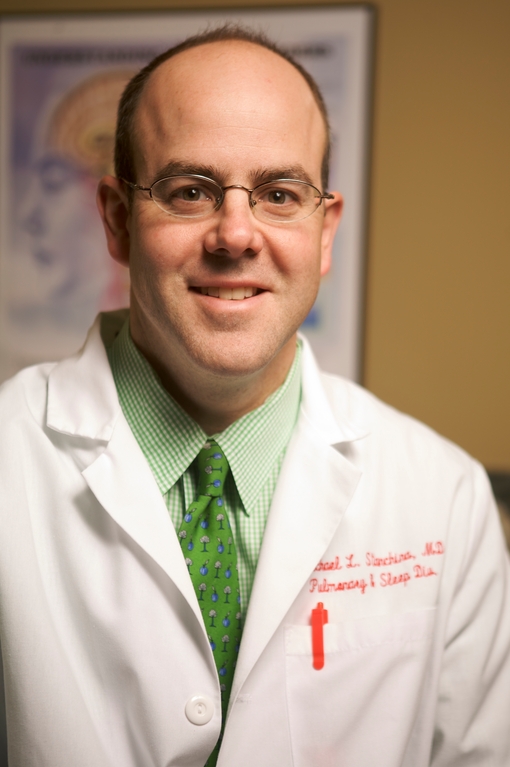
For the next several weeks, Epoch Sleep Centers and partners are sponsoring seminars on sleep disorders and their impact on health, all at The ENT Center of Rhode Island, at 55 Lambert Lind Highway in Warwick. Dr. Michael L. Stanchina, of Epoch, answered questions about his specialty.
PBN: What are the most common sleep disorders, and who is most at risk?
STANCHINA: One in four adults suffers from sleep apnea, the most common sleep disorder. It is more common in men than women, but it increases in women after menopause. At-risk populations include persons with a combination of snoring, neck size greater than 16.5 inches for men, daytime drowsiness, and diseases such as high blood pressure.
Seifert Systems Invests in Energy Efficiency to Strengthen Operations
For manufacturers, energy is more than just another operating expense. It plays a critical role…
Learn More
PBN: How do sleep disorders affect people’s productivity?
STANCHINA: Insomnia and sleep apnea affect cognition , attention, mood and energy level. Much has been published regarding sleep apnea and occupational accidents. Employers should provide simple screening tools for employees, as there is a significant economic burden that employers endure, both in productivity and in the development of other conditions that sleep apnea can exacerbate or contribute to, such as diabetes, heart attacks, strokes, restless leg syndrome, pain and immune disorders.
PBN: Why do sleep disorders have such an impact on health?
STANCHINA: It is well established that sleep apnea contributes to key cellular inflammatory markers and stress hormones, and there is direct correlation between the severity of a person’s sleep apnea (measured via a sleep study) and increased cardiovascular risk. Sleep apnea stresses the cardiovascular system, and it can also affect kidney, brain immune and lung function.
PBN: How does Epoch diagnose and treat these disorders? How many patients do you see each year?
STANCHINA: Epoch Sleep Centers provides both patients and providers with sleep apnea screening tools. These simple five to 10 questions have high validity in predicting if a person has sleep apnea. Epoch Sleep Centers has board-certified sleep medicine physicians who can help providers manage the initial suspected diagnosis and identify the best treatment options. Epoch performs 2,500 studies per year, with more than 75 percent testing positive for a sleep disorder.
Treatment consists of applying a nasal mask or large nostril cannula with a noiseless machine that blows room air and splints the airway open. Other options include oral appliances fitted by dentists with expertise in sleep medicine; a 10 percent weight loss can be helpful, as well as surgery on the palate by an ENT surgeon. Significant advances in the last year have been made in surgical approaches, devices and bariatric medicine physicians specializing in sleep apnea.
PBN: What are you hoping to accomplish with the seminars?
STANCHINA: Just like diabetes, sleep apnea and insomnia can often be chronic conditions and need “support coaches,” as treatments require acclimation, and compliance is key. Untreated sleep apnea can also be costly to the health care system. The prevalence of sleep disorders is epidemic, and the public may not discuss the issue with their doctor because they do not know it can be helped. Many patients resort to caffeine during the day and sleeping meds or alcohol. … Patients and providers can benefit with education.
To learn more about Epoch Sleep Centers, go to EpochSleepCenters.com.












Great Article to promote preventative health issues. Sleep is taken for granted but contributes to so many diseases if interupted especiually the disorder of Sleep Apnea