Liz Duggan | Founder and executive director, Amenity Aid
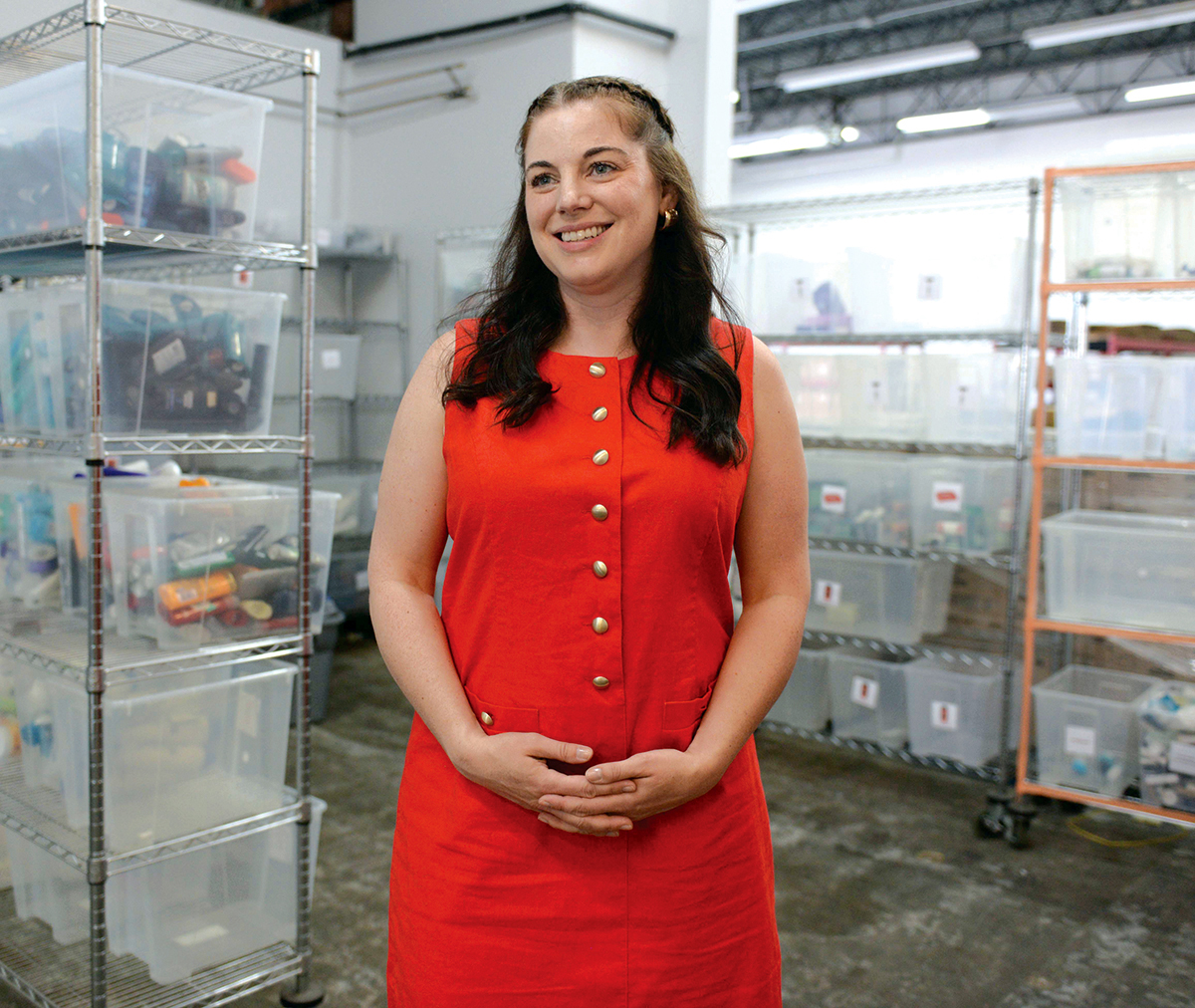
1. What was the impetus in establishing Amenity Aid in 2013? After donating hotel toiletries to shelters, I learned no government programs, including [the Supplemental Nutrition Assistance Program], cover basic hygiene products such as soap and shampoo. The need far outweighs what agencies can provide, and no organization focuses solely on this issue. What began as a volunteer project in my garage now serves 11 agencies statewide. We operate like a food bank by distributing products through partners such as Amos House and Progreso Latino.
2. In 2021, in what ways did you help increase the nonprofit’s revenue by 260% and hygiene distribution by 150%? I left my marketing job determined to fund Amenity Aid within a year and become its first employee. Hygiene banks are a relatively new concept, making funding a significant challenge. I continually refined my elevator pitch, while focusing on networking and building relationships. As the community recognized our work and its impact, it paved the way for grants and other fundraising efforts.
3. How has Amenity Aid been supported financially by the community to distribute the high level of hygiene kits it has? With 80% of our products purchased, financial contributions are vital. Our funding includes individual and corporate donors, foundations, and events such as Health + Hygiene Spectacular!, happening on Nov. 8 at Farm Fresh Rhode Island. Period Packing Parties are another popular event, where groups raise funds for Amenity Aid to purchase bulk pads and tampons at the lowest cost, which they then volunteer to package into kits at our warehouse.
4. Given some nonprofits’ concerns about federal funding, has Amenity Aid experienced any similar funding challenges? If so, in what ways? Federal funding cuts have indirectly strained Amenity Aid, increasing demand and costs. Tariffs and policy changes make hygiene products pricier. Funding reductions are straining partner agencies’ capacity, while cuts to safety-net programs such as SNAP and Medicaid are driving greater reliance on Amenity Aid. Despite these challenges, we remain committed to ending hygiene insecurity in Rhode Island through strong partnerships and community support.
5. What initiatives is Amenity Aid looking to develop over the next 12 months to further serve the community? This year, we aim to distribute 215,000 full-size products and 37,000 travel kits. With 38% of Rhode Island households facing hygiene insecurity, we’re implementing our strategic plan to increase impact by 120% by 2027 through four new partnerships. These figures aren’t just statistics – they represent our neighbors’ right to dignity and the ability to fully engage in life, such as attending school, without the burden of hygiene barriers.