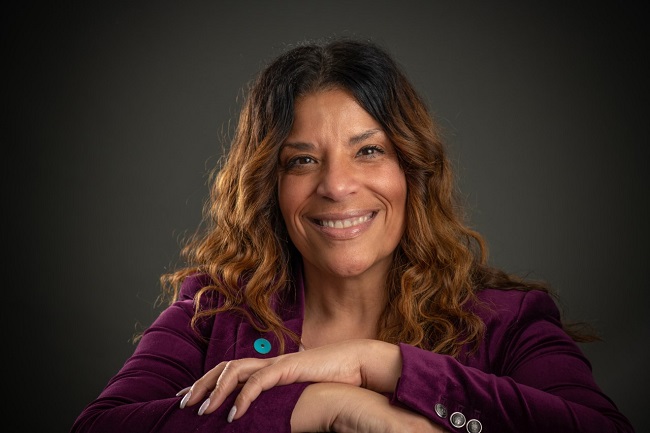
In honor of Domestic Violence Awareness Month, Tonya King, executive director of the Rhode Island Coalition Against Domestic Violence, discusses the COVID-19 pandemic’s effect on requests for help from those who have experienced domestic violence and what is happening now that most daily routines are returning to normal.
King also touches on the coalition’s push for state lawmakers to make use of federal funds meant to aid victims of domestic violence and what communities can do to help survivors.
ISO 9001:2026: A Practical Opportunity to Build for What’s Next
For Rhode Island manufacturers, ISO 9001 has been much more than a certificate on the…
Learn More
PBN: What effect has the pandemic had on demand for domestic violence resources in Rhode Island?
KING: For survivors of domestic violence, the COVID-19 pandemic is a crisis layered over another crisis. Since the beginning of the pandemic, the RICADV and its network of member agencies have seen spikes in demands for services and calls to helplines and hotlines. There were increased demands for some services in particular, like emergency shelter and housing – which remains the top need of survivors and their children. We saw at least double – and, in some instances, over a 90% increase – in the amount of calls to our helplines and hotlines since March 2020.
A total of 45,543 individual services were provided by advocates to survivors in 2020. Keep in mind, this does not represent every survivor in our state; we know there are many we are not reaching because of the barriers they face in seeking services.
To better meet the demands of survivors, we expanded the confidential statewide Helpline online chat to operate 24/7, ensuring advocates are always there to answer survivors’ calls for help – even when the only way survivors could reach out was by an online chat when trapped at home with an abuser. Some services are also available remotely now, including counseling and support groups that continue meeting virtually.
One of the RICADV’s main priorities right now is advocating for safe, affordable housing options for survivors, making it possible for them to flee violence and rebuild their lives after abuse. The agencies serving domestic violence survivors across the state have been the primary responders for victims and their families during the COVID-19 pandemic.
Despite the increase in demand for services during this crisis, the RICADV and its member agencies have experienced a 63% cut to federal Victims of Crime Act funding in the state since 2019. Because of these cuts, agencies are being forced to cut programs and advocates, leaving less support to serve a larger number of victims.
PBN: How do the numbers of domestic violence services, overnight stays and stays in transitional housing provided by RICADV in 2020 compare to past years?
KING: Everyone deserves a safe place to lay their head at night. Housing and prevention of domestic violence remain the top emergency needs for those impacted by abuse. The length of average domestic violence emergency shelter stays has increased by 221% in the last six years, from 28 nights in 2015 to 90 nights in 2020.
While we can share a data overview, numbers do not tell the full story or truly represent the intensity of the needs we are hearing from survivors. The end of the evictions moratorium during the pandemic will have catastrophic consequences for victims and survivors, especially for people of color, who face job loss or work in roles that are high-risk for contracting COVID-19.
R.I. does not have enough affordable housing options for survivors fleeing abusive situations. Shelters remain at or near full capacity, and survivors have been staying in shelters longer because of the lack of housing options in our state. Though domestic violence is the leading cause for homelessness among women, domestic violence victimization is not prioritized. This needs to change – we cannot leave survivors behind.
PBN: Now that Rhode Islanders are back to normal routines for the most part, has some of that increased demand for services dropped away?
KING: While some restrictions have lifted in Rhode Island, the COVID-19 pandemic is still very much present and will have long-lasting effects on survivors of abuse even if COVID-19 were to disappear tomorrow.
Financial strain has impacted many Rhode Islanders during the pandemic and exacerbated needs for critical support, like housing and food security. When you pile domestic violence on top of that, those needs and financial insecurities become barriers to safely accessing services and finding a safe place to flee from violence – especially with children.
There will be a long road ahead for survivors and their families now and beyond the pandemic, and we’ll be here each step of the way. The demand for housing has never been so pressing, and the RICADV and its network of member agencies will continue advocating for survivors’ needs.
PBN: Is there anything new on the horizon for RICADV?
KING: We join other advocates across the state in urging the R.I. General Assembly to reconvene immediately and invest in survivors of abuse and their families. The General Assembly can make this possible by spending the American Rescue Plan funds to fund lifesaving services and programs aimed at addressing and preventing domestic violence. We are the only state in the Northeast that has not yet spent any of these emergency funds, which are especially critical right now as drastic cuts to VOCA will lead to the cutting of programs and advocates’ positions that are lifelines to Rhode Islanders facing the most urgent, life-threatening needs: victims of domestic and sexual violence. The time is now to establish a permanent line item for domestic violence services in the state budget annually, saving lives and empowering our community.
The pandemic has devastating effects on Black, Indigenous and people of color communities, as well as on survivors of domestic violence, leaving them even more vulnerable. Survivors and their families cannot wait in this time of drastic needs – they need assistance now, and we have a rare opportunity to make a transformational investment in responding to this multilayered crisis.
We’ll be advocating on behalf of survivors, working to ensure we do not leave vulnerable communities in our state behind. Together, we can support survivors and their families in our state and create a better tomorrow.
PBN: What is the best way for communities to help victims of domestic violence?
KING: Domestic violence is a community issue and it deserves a community response. In addition to supporting survivors and their families by making transformational investments in critical services and programs, we can all be active bystanders. If you suspect abuse is happening to someone you know, you can reach out to them and let them know you care. Listen without judgement and be ready to provide resources like the confidential 24/7 statewide Helpline, which can be accessed by calling 1-800-494-8100 or using the online chat at www.ricadv.org.
Trained advocates are ready to support survivors in their journey to safety, with the survivor leading the way with what is best for them. We encourage everyone to learn more about domestic violence dynamics, misconceptions about abuse and warning signs, and check out our public awareness campaign for National Domestic Violence Awareness Month this October for more ways on how to show up for survivors. Especially during the pandemic when people may be staying isolated, it’s important to look out for one another – our loved ones, neighbors, colleagues, etc. It’s on all of us to end domestic violence.
Elizabeth Graham is a PBN contributing writer.