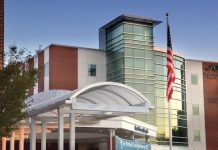
In recent weeks, Providence Mayor David N. Cicilline has been promoting legislation that mandates hospitals, colleges and universities pay their “fair share” during this difficult economic time. He says taxing these nonprofit organizations is central to the viability of his city.
But, for decades these institutions have given back to our community in immeasurable amounts. In fact, it is difficult to imagine a vibrant, healthy and attractive Providence, or Rhode Island for that matter, without their influence.
In a state where the unemployment rate has risen above 12 percent, jobs have become a treasured resource. However, only two sectors have reported job growth during recent months – health care and education. Together, hospitals, colleges and universities employ nearly 36,000.
This economic impact is about more than jobs. It’s about well-paying, secure employment with top-notch benefits and the opportunity for advancement. The wages paid to these employees make up nearly 10 percent of the state’s private sector payroll – a total of $1.65 billion.
More importantly, these payroll expenditures serve as an important economic stimulus as employees use dollars earned to buy groceries, purchase clothing, dine in restaurants and pay for housing.
These organizations help by providing numerous and important community benefits. Hospitals stand ready to care for patients during the happiest and worst times of their lives. They hold hundreds of community events each year aimed at improving the health and lives of Rhode Islanders through screenings, lectures and workshops. But, most importantly, they serve as a safety net for our community, ensuring no Rhode Islander goes without quality, efficient health care.
Likewise, our local colleges and universities have helped to shape Rhode Island culture. These institutions’ theater, lectures, conferences and symposiums are just a sampling of the activities that make them the foundation of our state’s creative arts and culture. But they also give back to their neighborhoods through increased security, student volunteers and scholarship programs.
But, they too are struggling in this economic climate. They have laid off employees, reduced budgets and pursued cost-cutting measures to ensure they are able to fulfill their roles in our community.
We are empathetic to the mayor’s plight. We feel the same pressures on our own bottom lines as we strive to meet our moral obligations to our communities. Unfortunately, we too are at a breaking point.
We fully understand the economic realities which face our city and state at this time. Hospitals, like cities and towns, have been hurt by this decline in a number of ways, including falling reimbursements, state budget cuts and increased charity care and costs. Colleges and universities face increased federal reporting requirements, increased costs, increased requests for financial aid and declining enrollments and endowments.
While we sympathize with the budget constraints being experienced by government, we assert that we already pay more than our “fair share.” It is not fair to tax these nonprofit organizations that shape the quality of life for Rhode Islanders.
We ask for recognition of these contributions, as we work to find solutions at this critical juncture for our state’s economy. A renewed focus on the knowledge economy and other economic-development activities will broaden our city and state revenue streams. And with that growth, we will not have to tax those that are tax-exempt and limit our best and most successful product – the knowledge economy spurred on by health care and higher education. •
Daniel P. Egan is the president of the Association of Independent Colleges and Universities of Rhode Island. Edward J. Quinlan is the president of the Hospital Association of Rhode Island.
Beyond Cash Donations: How New Forms of Giving Are Transforming Not-for-Profit Accounting
Evolving Funding Landscape for Not-for-Profits Not-for-profit organizations are being asked to do more with less,…
Learn More