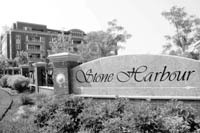
STONE HARBOUR, an 82-unit luxury condominium complex, is nearing completion on the Bristol waterfront, and now the town wants additional properties to be redeveloped, also with mixed uses.
Over the past four years, Bristol has seen much of its waterfront transformed, first by the Thames Street Landing project, then by the 82-unit Stone Harbour Condominiums now being completed on the site of the former Coats American and Premier Thread mills.
With the recent announcement that a major mill complex is up for sale, the town is looking to redevelop yet another large section of its waterfront – and one of the largest historic buildings in the area.
Beyond Cash Donations: How New Forms of Giving Are Transforming Not-for-Profit Accounting
Evolving Funding Landscape for Not-for-Profits Not-for-profit organizations are being asked to do more with less,…
Learn More
In January, Robin Rug Inc. announced plans to sell its 2.1-acre mill complex at 125 Thames St., south of Thames Street Landing. The property, which sits directly on the waterfront, was put on the market with an asking price of $19.9 million.
In a report to the Bristol Redevelopment Agency in April, the Urban Land Institute, a Washington, D.C.-based land use and development consulting group, said the complex had the potential to become “one of the signature portions of a revitalized historic downtown and waterfront renaissance.”
Evan Matthew, who co-chaired the panel that developed the Bristol report, said that the site was viable for condominiums and could provide for great pedestrian and vehicular access. Town officials also realized the potential for the mill building; subsequently a commission was formed to examine the feasibility of the town acquiring the site.
Bristol Town Council Vice Chairman David Barboza, who headed the group, said it looked at what the best use would be for the building if the town were to acquire it and whether it was worth it for taxpayers. In the end, the commission decided against purchasing the property.
Barboza said that the town would have needed to sell the property very quickly after it was rehabilitated in order to make it worthwhile. Also, the environmental issues associated with the site are presently unknown.
“We just decided that it wouldn’t have been in the best interest of the taxpayers,” Barboza said. However, because of the economic importance of the site, the town did pledge to work with any developer interested in renovating the property, he said.
According to Bristol Redevelopment Agency Chairman Peter Calvet, there is a buyer interested in purchasing the Robin Rug complex already.
Calvet said that the agency also has identified other properties in Bristol key to the revitalization of the town’s waterfront, several of which are planned for development.
Chief among those is the Hotel Belvedere, long known as the Harriet Bradford Inn. The property has been slated for redevelopment since the late 1990s, but financing problems, disputes among the people involved, and most recently, bankruptcy proceedings caused long delays. In April, Brenton Real Estate Investments, of New York, bought the property, and the company has said it plans to move ahead with the originally planned mixed-use project, with condominiums and retail.
The Urban Land Institute also deemed the Hotel Belvedere a key portion of the area’s redevelopment, Matthew said, and said it was “well within the market” for a mix of uses.
The hotel joins two other properties on the redevelopment agency’s list of blighted properties ripe for redevelopment. The other ones are a garage on Thames Street and a house between Hope and Thames streets that is known as Bristol’s “second-oldest” building.
The institute found neither building was worth saving, but Calvet said the agency sees some significance in the properties and supports the owners’ efforts to redevelop them.
All plans for the waterfront district involve mixed-use development, which fits well with local officials’ vision for the area. Their other priority is opening up the waterfront and ensuring public access, which both Thames Street Landing and Stone Harbour have provided.
“At the moment,” Calvet said, “everything seems to be clicking.”