The seeds have been planted for one of the largest economic-development projects in Fall River’s history.
Once it’s done, the massive project could add 5.5 million square feet of industrial and office development, infuse 15,000 jobs into the region and dramatically transform Fall River’s heavily industrial economic base.
“It’s huge,” said Ken Fiola, executive director of the Fall River Office of Economic Development. “As far as creation of industrial and commercial development, it’s certainly one of the largest projects in the region.”
Beyond Cash Donations: How New Forms of Giving Are Transforming Not-for-Profit Accounting
Evolving Funding Landscape for Not-for-Profits Not-for-profit organizations are being asked to do more with less,…
Learn More
Already several years in the making, the project has three primary components, all planned along Route 24 north of Fall River: a 575-acre business park in Freetown; another 300-acre office park and a 14,000-acre “bio reserve” of open space and trails east of the highway. Tying all the elements together will be a $25 million highway interchange between exits 8 and 9.
The site of the projects is roughly 6 miles north of Interstate Route195 and 11 miles south of Route 495 – 40 minutes from both Boston and Cape Cod and just 25 minutes from Providence, the economic-development office touts
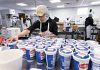
At the 575-acre Freetown Riverfront Business Park – west of the highway between exits 8 and 9 – the Stop & Shop grocery chain plans to build a 1.3 million square-foot distribution facility. Grading for the site already is under way, and a portion of the distribution center is scheduled to open in the fall of 2003, Fiola said. The center eventually will employ about 1,000 workers.
The park is owned by and will be developed by Providence-based Churchill and Banks Ltd. Development of the balance of the business park must await completion of the Route 24 interchange, which likely won’t happen until 2007. The state of Massachusetts has earmarked more than $20 million in transportation funds for the interchange, which is planned for about halfway between exits 8 and 9, Fiola said.
The 300-acre Fall River Executive Park, on the east side of Route 24 between exits 8 and 9, eventually will host roughly 3 million square-feet of primarily office space.
Fiola said office use instead of industrial development at the site makes sense for two reasons: Fall River would like to diversify its rusting industrial base by adding service-oriented jobs, and the office park essentially will be surrounded by state forestland, which doesn’t mix with big factories.
“I think we’ll be looking at a large corporate campus there, much along the lines of Fidelity’s division in Smithfield,” Fiola said. Fall River Redevelopment will market the land to “pre-eminent Boston-area developers” that have experience developing large corporate-campus projects, Fiola said.
The Fall River Office of Economic Development estimates that the two parks could generate between 14,000 to 20,000 jobs and inject $600 million in annual payroll into the local economy.
On the east side of the highway, the state of Massachusetts will receive 4,300 acres of forestland from Fall River that will be included in a new, 14,000-acre preserve called the “Commonwealth Bio-Reserve.” The land will be transferred in exchange for the 300-acre parcel that will be the site of the office park. The Massachusetts legislature OK’d the deal in July.
The reserve, which equals 24 square miles, sprawls eastward from Route 24 and will encompass a broad swath of the Freeport-Fall River State Forest, including North Watuppa Pond. It will offer hunting and fishing opportunities, hiking and biking trails and likely an educational center, Fiola said.
Bob Durand, secretary of environmental affairs for Massachusetts Gov. Jane Swift, said the state has been working toward the bio reserve project for more than three years as part of a broader plan to protect intact ecosystems in the Bay State.
“This will provide great open-space opportunities right outside of an urban community,” Durand said.