PROVIDENCE – Bally's Corp. has moved a step closer to gaining permission to build and operate a casino in New York City after state gaming officials selected three applicants for casino licenses in the Bronx and Queens.
The N.Y. State Gaming Commission’s facility selection board selected Bally’s, along with New York Mets owner Steve Cohen, who is proposing to build a casino next to Citi Field in Queens, and Genting Group, which is proposing to expand the existing casino next to Aqueduct racetrack in Queens.
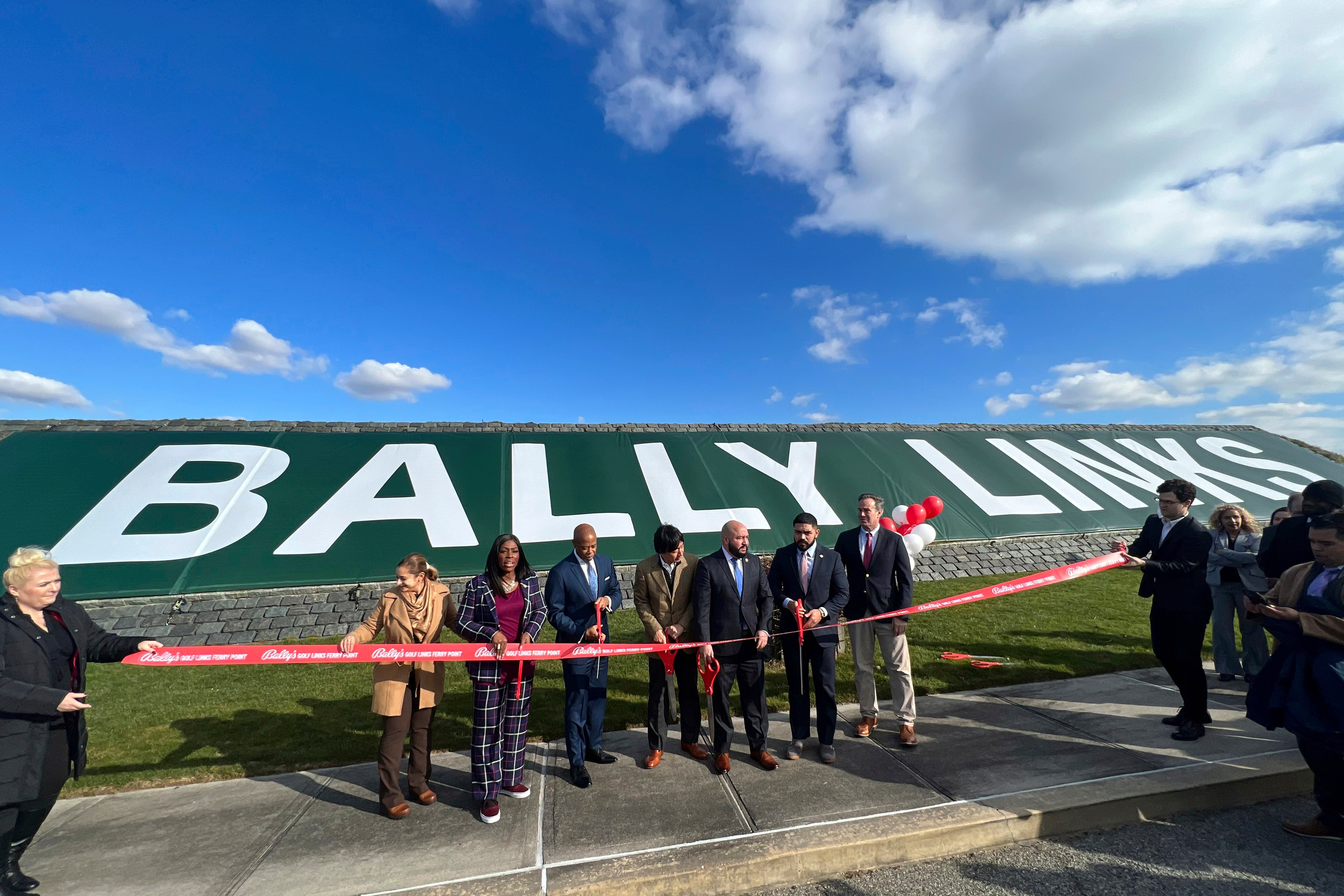
Providence-based Bally’s is proposing to build a $4 billion casino next to Bally’s Golf Links in the Bronx at Ferry Point, next to a golf course previously owned by President Donald Trump. The Trump Organization could receive $115 million tied to Bally’s casino plan. Bally’s purchased operating rights for the city-owned golf course from the Trump Organization in 2023 and agreed to pay the
additional money to the Trump company if Bally's won a casino license. The Trump Organization did not reply to an email by The Associated Press seeking comment.
Bally’s proposal calls for a 250-foot-tall casino spanning three million square feet that will hold 3,500 slots and other gambling machines, 250 table games, and a poker room. It also includes a 500-room luxury hotel, dining and entertainment venues, a 2,000-person event center, and meeting spaces, Forbes reported.
“I feel great, it’s not every day that you’re given a chance to have a physical impact on the city that you grew up in,” Bally’s Chairman Soohyung Kim told Forbes. “This is our biggest project and will be amongst the biggest commercial casinos in the country.”
The N.Y. State Gaming Commission is expected to formally issue the licenses before the end of the year, as the gambling revenues are
already factored into the state budget. Democratic Gov. Kathy Hochul praised the projects, saying they could unlock billions for the state’s transit system and create jobs. Opponents warn that easy access to casinos will increase gambling addiction.
The Gaming Facility Location Board said in
its written decision that the region’s dense and relatively affluent population, combined with high tourism, would be able to support three full casinos in close proximity.
Its consultants, using conservative assumptions, estimated the casinos would generate a combined $7 billion in gambling tax revenues from 2027 to 2036, plus $1.5 billion in licensing fees and nearly $6 billion in state and local taxes. However, the board said the projects' timelines are “ambitious.” The racetrack expansion aims to open some facilities by March, while the Citi Field and golf course projects target 2030 openings.
The commission is authorized to license up to three casinos in the New York City area after voters approved a referendum back in 2013, opening the door to casino gambling statewide. Four full casinos, all upstate, now offer table games. The state also runs nine gambling halls without live table games, many of them also miles away from Manhattan.
Alan Woinski, a New Jersey-based gambling consultant, said the New York City market “should be deep enough” to sustain not just the three planned resort casinos but two other existing slots parlors just outside the city in Yonkers and on Long Island.
He cautioned that early financial projections often fall short, saying he hasn’t seen a casino hit its initial numbers in many years.
John Holden, a business professor at Indiana University who specializes in gambling law, said the market has no national comparison, making projections uncertain. He said he wasn’t surprised that the panel recommended all three projects for licenses, given that they all have deep resources and expertise.
Anti-casino protesters disrupted Monday's meeting in Manhattan with chants of “Shame on you! Shame on you!” before they were escorted out.
Jack Hu, one of the group’s organizers, said the proposals will have a disproportionately negative impact on the city’s Asian American communities, which are largely concentrated in Queens. He said casino operators view older Asian adults and workers as merely “cash cows to milk for money.”
“They bus our seniors to casinos, and they give them meals and gambling vouchers in the hopes that they’ll stay long enough to lose their entire Social Security check,” Hu said after the meeting.
The closely watched competition for a New York City license began with a crowded field, with some eight proposals in the running as recently as September. But four of the high-profile plans failed to get the stamp of approval from local advisory boards, automatically knocking them out of contention. MGM abruptly pulled out of the license sweepstakes in October.
Material from The Associated Press was used in this report.