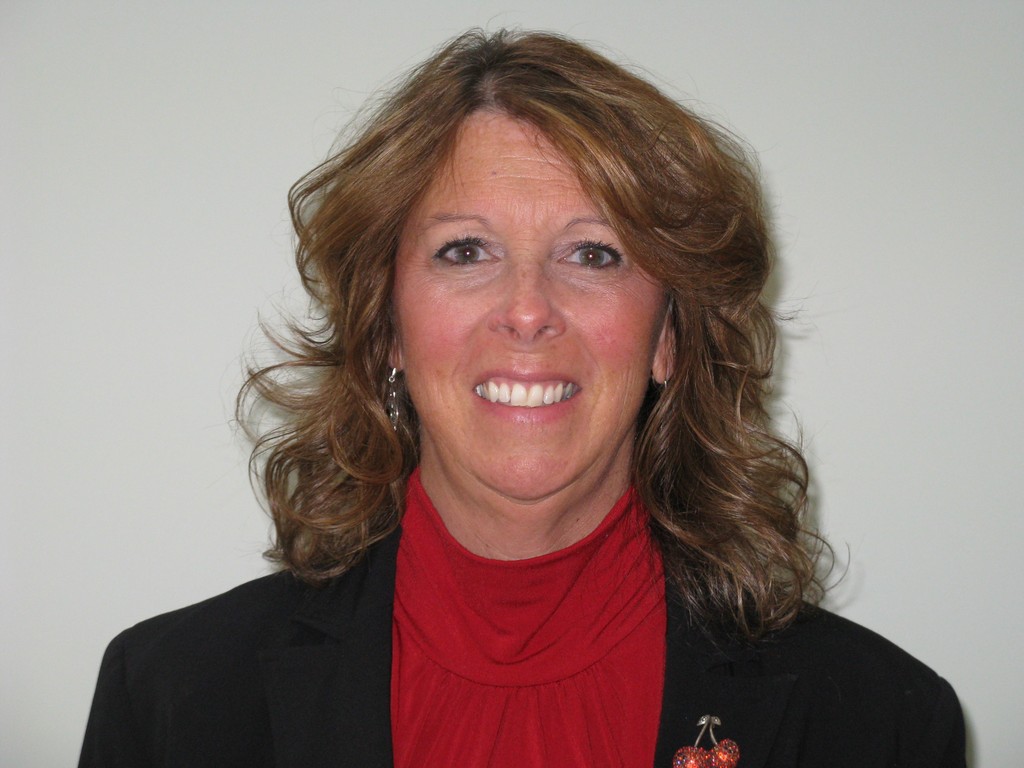
Since the Taunton-based South Eastern Economic Development Corp. became the designated SBA microlender for Rhode Island, the nonprofit regional economic development agency has made 14 microloans to Ocean State business totaling $403,000.
Now it’s poised to make more, as it has increased the microloan limits from $35,000 to $50,000. Laurie Driscoll, SEED’s assistant vice president and commercial loan officer for the microloan program, answered five questions about it.
PBN: Has there been a demand for microloans? Why?
DRISCOLL: The demand for microloans certainly has increased over the past four years or so. Previously, when entrepreneurs needed funding for their business, they could easily pull equity from their homes if they owned them to satisfy their financing needs. Since the real estate market plummeted, equity is hard to find, which pushed those borrowers to banks for commercial loans. It’s like the domino effect – since the economic downturn, many banks tightened their “lending belts” and as a result, borrowers have either discovered or been referred to the microloan program. It’s actually a very attractive option. The program makes loans from $1,000 to $50,000, carries a 6 percent fixed-interest rate with no prepayment penalty and more flexible guidelines during a very difficult economy.
Beyond Cash Donations: How New Forms of Giving Are Transforming Not-for-Profit Accounting
Evolving Funding Landscape for Not-for-Profits Not-for-profit organizations are being asked to do more with less,…
Learn More
PBN: What are the microloans SEED has underwritten being used for? Can you give specific examples?
DRISCOLL: The microloan program has been a wonderful source for startup entrepreneurs who need funds to open their doors, whether it’s for furniture and fixtures, equipment, inventory or working capital. For existing businesses, sometimes it’s used to get them through their off season or, on the bright side, to hire new employees. Perhaps an existing business is expanding and needs equipment. One of the best uses of these funds has been to reduce or pay off higher-interest, business-related, credit card debt. It’s a great relief if a business can lower its monthly payments by utilizing the microloan program – because at the same time it’s improving their cash flow.
PBN: Is this a product that is offered by the local banks?
DRISCOLL: Financial institutions may in fact do small loans conventionally or they may choose to make a loan and take advantage of the U.S. Small Business Administration guarantee loan programs. Actually many of our referrals come from banks and credit unions because the type of loans we do they don’t want to make. There’s significant risk involved in funding startup ventures, which the banks and credit unions shy away from. They are also more stringent when looking at existing businesses in regards to credit, cash flow and collateral. Because of the economic downturn, many businesses have taken enough of a hit that the financial institutions don’t feel comfortable making a loan – which is where we come in. We in no way compete with banks or credit unions – we’re simply here to step in and provide financing when they can’t or won’t or we can partner with them and provide gap financing.
PBN: Are the lending standards any different from a conventional loan? What is the SBA’s involvement?
DRISCOLL: Our lending standards tend to be more flexible. For example, we will look at anyone with credit scores of 600 or above. However, if someone has struggled with late payments, in some instances we will accept a co-signer with good credit who is willing to stand behind this person and their loan request. We also look at a borrower’s household to see if there is other income available to cover the monthly bills and also potentially a loan payment if the business itself is unable to cover that debt. Lastly, although we will in fact take a mortgage position on real estate as collateral if it’s available, we will make an unsecured loan up to $20,000 for someone who does not own a home. In addition, if equity is short (which isn’t unusual these days), we will still entertain a loan request, considering the borrowers’ credit and cash flow. SBA’s involvement is limited to the fact that they loan us the funds to in turn make our microloans. We borrow money from the government at a low interest rate which allows us to offer this financing at a very attractive rate to borrowers. However, there is no guarantee from the government on our loan funds – if we don’t get paid back, that’s money we don’t have to put back in the hands of small businesses.
PBN: What is the advantage for a business using this program?
DRISCOLL: There are several advantages – first and foremost we are making loans to borrowers that are unable to get financing elsewhere. Secondly, it allows a new or existing business to build business credit, which they wouldn’t do if they chose to use home equity or personal loan funds. Another benefit is anyone calling our office for information and/or financing is directed to our Business Assistance Program, which consists of free, daylong business plan preparation and business ownership workshops. We hold them monthly throughout southeastern Massachusetts and Rhode Island and they are a great tool for any business owner. In addition, borrowers who utilize our services are immediately connected to a wealth of other resources, such as SCORE, the Rhode Island Business Development Center, the Center for Women & Enterprise and the R.I. Economic Development Corporation. It’s really a soup-to-nuts proposition. We’re all in it for the long haul.