PROVIDENCE – As Rhode Island’s economy gradually recovers from the COVID-19 pandemic, food insecurity remains high, affording adequate food is still a challenge for some and racial and ethnic inequities persist, according to a new report from the Rhode Island Community Food Bank.
The 2021 Status Report on Hunger in Rhode Island, released Monday, outlines key problems regarding food insecurity and shortages and some action steps to address the issues at hand.
Your Business Has Gone Global. Has Your Insurance?
A decade ago, “doing business internationally” was mostly a large-company concern. Today, a manufacturer in…
Learn More
For the second year in a row, the food bank noted in its report that racial and ethnic inequalities are among the longstanding issues the state is facing regarding food insecurity. According to the 2021 report, 34% of Black households and 34% of Latinx households reported food insecurity this past year. By comparison, just 14% of white households reported food insecurity.
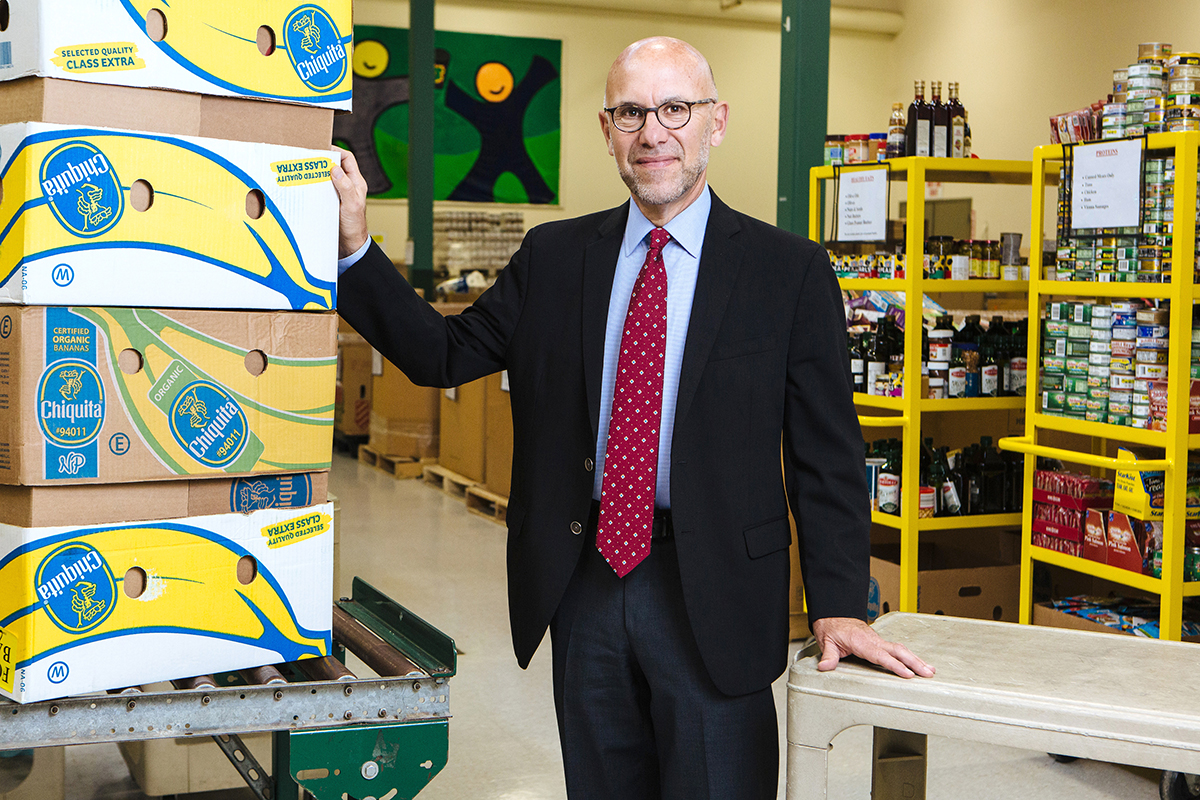
Food bank CEO Andrew Schiff told Providence Business News on Nov. 18 that he feels the pandemic “made things worse” for communities of color, because they suffered from high illness rates, and high job and financial losses. He said the expanded federal child tax credit is the only element trying to address racial inequities regarding food insecurity in the state.
The child tax credit, which only runs through 2022, was expanded to parents with low or no earnings and the maximum annual credit a family can receive is $3,000 per child, or $3,600 per child ages six and younger. The report suggests that the child tax credit program should be made permanent.
“The credit does such an important thing by now including families at the bottom of the income ladder,” Schiff said. “They were excluded in the past. It has the potential to reduce child poverty and reduce child hunger. The greatest gains are going to be for Black and Latinx children. This will significantly help families with food and other basic expenses.”
The report also notes that 18% of all households in Rhode Island, or 1 in 6, cannot meet basic food needs. While the rate has dropped from the 25% that was seen in 2020, the 2021 food insecurity rate is still more than double what it was before the pandemic, according to the report.
Additionally, the number of individuals enrolled in the federal Supplemental Nutrition Assistance Program decreased. Per the report, between April 2020 through March 2021, the number of individuals enrolled in SNAP dropped from 150,854 to 146,326.
Schiff said the R.I. Department of Human Service’s offices were closed due to the pandemic and the call center had “unconscionably long waits” for people trying to seek assistance, leading to a drop in people being enrolled for SNAP benefits. He said Gov. Daniel J. McKee and the General Assembly need to put more resources behind department and its call center – such as using some of the state’s American Rescue Plan Act funds – so that people won’t lose out on help for food assistance.
The average number of people seeking service from the food bank also decreased in 2021. The report states that an average of 53,650 people were served by the food bank per month this year, approximately 33% fewer than the 76,500 people who were served at the demand’s peak in November 2020.
Schiff said fewer people seeking assistance from the food bank is “absolutely a good thing,” and a sign that people are getting back to work.
However, the food bank’s CEO and the report cite caution in that there are some warning signs the pandemic’s local economic toll was greater than expected and the recovery from it will take longer. He cites that some government assistance programs have either ended or set to expire soon, and that the need for food will once again spike upward with people still out of work.
“We want to make sure the federal benefits reflect the continued need in the community,” Schiff said. “Everyone was hoping for a real quick rebound from the economic fallout of COVID-19. But this report should give people pause. … It’s going to take a long time before recovery reaches everyone in Rhode Island. We have to keep thinking about how we can help the low-income families who were hit really hard.”
James Bessette is the PBN special projects editor, and also covers the nonprofit and education sectors. You may reach him at Bessette@PBN.com. You may also follow him on Twitter at @James_Bessette.