Rhode Island ranks on a par with most states in its efforts to clean up the state’s worst environmental problems – its 13 Superfund sites, according to an official of the Environmental Protection Agency. ”It’s probably pretty average,” said Sarah White, EPA community involvement coordinator for Rhode Island and Vermont. “When I look at other New England states, they’re all very different.”
With 1,400 sites slated for cleanup, Superfund (the Environmental Protection Agency’s name for the Comprehensive Environmental Response, Compensation, and Liability Act) helps with the investigation and revitalization of America’s waste sites.
Rhode Island's Market Has Changed. Developers, Builders, Investors and Sellers Must Change With It.
By Emilio DiSpirito IV License Partner | Engel & Völkers Oceanside Leader | The DiSpirito…
Learn More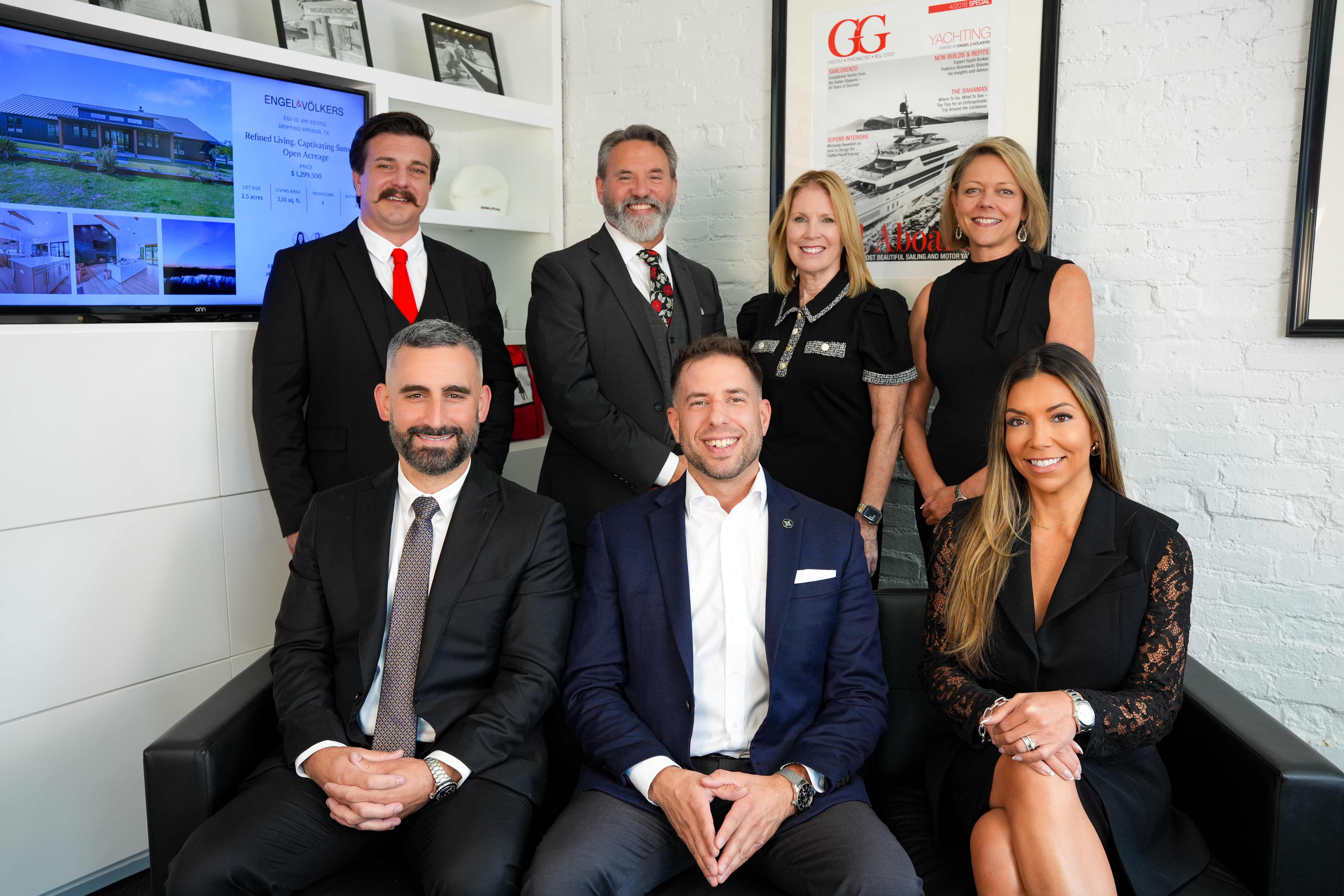
Properties are brought to the attention of the EPA by states or local communities, and are assessed to determine the level of risk they pose to the public.
Once an area is designated a Superfund site, it is evaluated and the best method of treatment is determined, cleanup alternatives proposed.
”The investigation can take quite a long time, and then there’s a design phase before any cleanup can happen,” she said. “It can be a lengthy process. Once a cleanup happens, it might take years.”
Just because a site is no longer considered a threat to public health, doesn’t mean the EPA’s job is done.
”There’s a 30-year monitoring period at some of these sites – it varies,” said White. “We’re not completely off the hook because a site is in the operating management phase. These things take years, but usually these sites have taken years to get to their contaminated states.”
According to White, overall the Ocean State’s progress – and prognosis – is good.
”I don’t think Rhode Island is doing badly at all,” she said.
What follows is an update on the progress of each of Rhode Island’s Superfund sites, according the Environmental Protection Agency.
Central Landfill (Johnston): This site is composed of two areas, a 121-acre area and a 33-acre expansion area. The 121-acre area was used prior to 1980 for the disposal of municipal and hazardous waste. The 33-acre area is currently being used to dispose of municipal solid waste. The remedies include capping the landfill and conducting a detailed evaluation of the emissions from the existing landfill gas collection and combustion system. Construction of the cap began in the summer of 1998, and is ongoing.
Centredale Manor (North Providence): The site includes Brook Village and Centredale Manor apartment properties, which are located at 2072, and 2074 Smith Street. The construction of a fence and the capping of contaminated soil at each property, combined with the construction of a fence between houses and known areas of contamination have reduced the potential for threats to the public health and environment near the project while investigations into final cleanup activities are under way.
Davis Landfill (Glocester, Smithfield): This 58-acre site includes a 21-acre inactive landfill. After extensive investigations, EPA determined that no adverse effects from inhalation of landfill gas, and ingestion of or contact with contaminants in surface water, soil and sediments were found. EPA and the state will continue to monitor the site for any potential future risks. The site was deleted from the National Priorities List in 1999.
Davis Liquid Waste (Smithfield): The Davis Liquid Waste site was a disposal facility for hazardous substances. Throughout the 1970s, the site accepted liquid and chemical wastes; removing drums reduced the potential for exposure to hazardous substances. The completion of a new water distribution system protects human health from hazardous substances in the drinking water while additional cleanup activities are being planned and conducted.
Davisville Naval Construction (North Kingstown): The former Davisville Naval Construction Battalion Center covers approximately 900 acres; the Navy has identified at least 24 areas with potentially hazardous contamination. Cap construction on one section of the site was completed in 1999; a remedy was selected in 1999 to impose land use restrictions and to monitor groundwater contamination at Calf Pasture Point Solvent Disposal Area.
Landfill & Resource Recovery, Inc. (North Smithfield): This 28-acre landfill originally was a sand and gravel pit used for small-scale refuse disposal from 1927 to 1974. The cleanup action minimized soil erosion from the landfill and the resultant filling in the wetlands. Construction of all remedies at the site is complete.
Newport Naval Education/Training Center (Aquidneck Island): This 1,063-acre site has been used by the Navy as a refueling depot since 1900. The site is being addressed in six stages – a record of decision was signed in February 2000 to address contaminated marine sediment adjacent to the McAllister Point Landfill.
Peterson/Puritan, Inc. (Cumberland, Lincoln): This site along the Blackstone River was responsible for wiping out 45 percent of the public water wells in Lincoln in the late 1970s and early 1980s. A four-stage cleanup approach is planned for this site, with an investigation into the contamination at the JM Mills Landfill on the site currently under way.
Picillo Farm (Coventry): The design of the soil and ground water cleanup system for this former 100-acre pig farm began in 1995; construction of the remedy began in 1999, and the project is near completion.
Rose Hill Regional Landfill (South Kingstown): Studies conducted at this site – a former municipal landfill – including sampling of groundwater, surface water, soils, and sediments, revealed a gas migration from the landfill to nearby residences in 1993. Design and construction of the cleanup remedy to this site is planned to commence in early 2001.
Stamina Mills, Inc. (North Smithfield): This former textile mill contains two areas of concern: an on-site landfill and an area of impacted soil from a large spill of trichloroethylene in 1969. Excavation and final grading of the former landfill area was completed in October 1999; construction to a groundwater extraction and treatment system is under way.
West Kingston Town Dump/URI Disposal Area (South Kingstown): These two adjacent properties were found to have commercial, industrial, residential and institutional wastes. The 12-acre university dumping grounds contain buried lab equipment, machinery, closed drums and old tanks. The removal and disposal of materials have reduced health hazards while site investigations are under way.
Western Sand & Gravel (Burrillville): This 20-acre sand and gravel quarry was contaminated by the dumping of liquid wastes, which penetrated the soil and contaminated the ground water. Construction of a permanent water line to those homes has been completed and a landfill cap has been installed on the former disposal area. Officials will continue to monitor the site for many years.