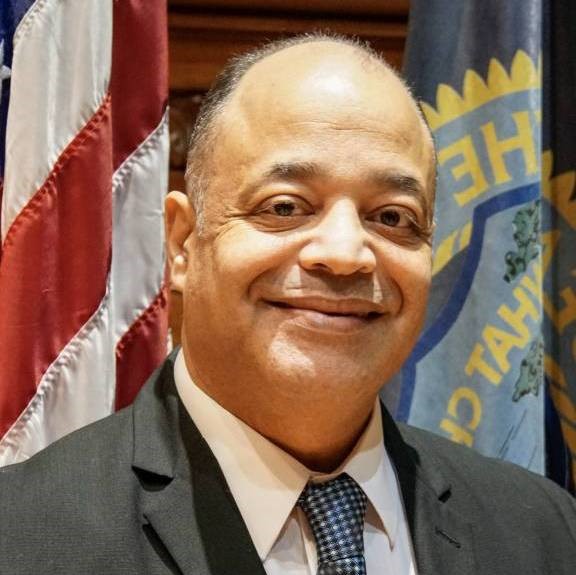
Pedro Espinal is a Providence city councilman who was elected last year to represent the Washington Park and Lower South Providence neighborhoods. Espinal is a 40-year city resident, the chairman of the Providence Latino Business Association and has long been active in his neighborhood. He spoke to PBN about the Allens Providence Recycling LLC project, a proposal for a trash transfer facility in his district.
PBN: When did you learn about the Allens Providence Recycling proposal and have you had a chance to speak to the developer?
Seifert Systems Invests in Energy Efficiency to Strengthen Operations
For manufacturers, energy is more than just another operating expense. It plays a critical role…
Learn More
ESPINAL: I learned about this project last year and met with the developer, the project engineer and their attorney. My feelings are still the same. This business, in this particular location, will only go to harm my community further. I can’t and won’t stand by and let this happen without trying to help my neighbors.
PBN: What is your position on it and why?
ESPINAL: I am opposed to this development for a myriad of reasons, but mainly because of the potential impacts on my community. Not only the increased traffic that will be pushed on Allens and Thurbers avenues but for the health of my constituents. My neighborhood has the highest rate of childhood asthma in the city and state and has the nineth-highest in the nation. Anything that will add to that would be detrimental and I cannot, in good conscience, be in support of this project.
PBN. How can the city best balance development in the port with concern for residential neighborhoods, which are very close by?
ESPINAL: We need to stop looking at the port as simply a revenue generator, and something that can be both commercial and beneficial. We are the Ocean State and we are not being proactive enough about protecting our most valuable natural resource, our bay.
I think there are lots of good examples across the country of cities that have figured out ways to keep their ports as safe and clean as possible, while also adding to the community around them. I think of larger cities that have ports but have developed both commercial and residential properties in those areas and created a destination on the waterfront. There is lots of work to make that vision a reality, but as other places have shown, it’s not impossible.
PBN: If the company is in a location that allows industry, what control does the city have over the proposal?
ESPINAL: That is a difficult but fair question. The city needs to look at our zoning ordinances and our city’s Master Plan and make adjustments to support the citizens of Providence. When you have a community with the ninth-highest rate of childhood asthma in the nation, likely linked to the industrial zone on Allens Avenue, I think it’s time for the city Plan Commission, the Planning Department, the administration and the City Council to work toward eradicating that in our community. Doing the right thing can be a difficult thing, but my community is galvanized, and we are working together to stand in opposition.
PBN: What message do you want to send to companies examining land or development possibilities in this area?
ESPINAL: Providence is open for business. We don’t want to stand in the way of industry or progress, but the future is in green technologies. I want to see an industry that comes into these areas and wants to not only develop their business but to help develop the community.
When you look at some of the new businesses that have opened in Providence recently, like [Wexford Science & Technology], they incorporate public space into their campus. That not only enhances the quality of life for their employees but also the residents of the Jewelry District and downtown. Why can’t the same be applied to the port?
Mary MacDonald is a staff writer for the PBN. Contact her at MacDonald@PBN.com.