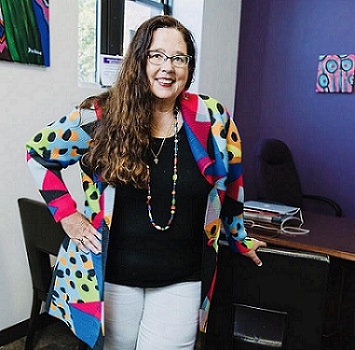
Darlene Allen is the CEO and executive director of Adoption Rhode Island, and a nationally recognized nonprofit leader who has dedicated her professional life to improving the lives of children impacted by abuse, neglect and trauma.
Allen spoke with Providence Business News about how COVID-19 has impacted local foster youths and what further initiatives the organization is looking to assist foster youths across the state.
For Leaders Who Don't Have Time to Get Sick
Top performers guard their calendars, delegate relentlessly and optimize every hour of the day. Health,…
Learn More
PBN: How have foster youths been impacted by the COVID-19 pandemic and how has Adoption Rhode Island assisted them through the crisis?
ALLEN: The pandemic has been tough for all kids, and it has been particularly difficult for foster children and [youths]. Being in foster care already presents its own challenges. There were delays in child and family visitation, increased isolation, educational barriers, and exacerbated emotional and mental health needs.
For older [youths] transitioning to adulthood and former foster [youths] we serve, many experienced unemployment, food insecurity and difficulty with housing. Fortunately, but not without modification, we were able to remain open to deliver services to children, [youths] and families.
We continued to recruit and support families for children, helped prepare children for permanency, met educational needs, hosted virtual support groups for grandparents raising grandchildren, and provided crisis intervention and trauma treatment for children.
These past two years saw us also respond to more basic needs – food, shelter, clothing, cleaning supplies and adaptive equipment – than ever before. Given that our approach to helping is very hands-on, we had to adapt in response to health and social distancing guidelines, but I’m tremendously proud of the work we’ve been able to continue and even grow.
PBN: Has the pandemic in any way impacted connecting youths with foster families?
ALLEN: There’s no question things have become more difficult, but not impossible. We’ve been hosting our information meetings via Zoom since April 2020, and we’ve found this often makes it easier for individuals and couples who want to learn more about adoption and foster parenting to participate.
In partnership with Rhode Island DCYF [Department of Children, Youth and Families], we launched a new service called “Extreme Family Finding” as part of a national pilot funded through the Children’s Bureau. Through the program, an Adoption RI social worker is paired with an experienced private investigator to search for extended family of children waiting in foster care for permanency.
The program is now funded by R.I. DCYF and has been very successful in finding grandparents, siblings, aunts and uncles, some of [whom] stepped forward to care for these children as a result of the program. It’s something making a real difference for children in our state, and it all began during the pandemic.
PBN: How many youths in Rhode Island are waiting to get into a forever home? Is that above normal or about average?
ALLEN: Right now, there are close to 300 children and [youths] who have the goal of adoption, which is consistent with previous years. But what has changed is the number of children in the care of R.I. DCYF to achieve permanency through adoption; there were 182 children adopted in 2019 and then 127 in 2020. This decrease can, in part, be attributed to fewer children entering foster care, which is true both nationally and here in Rhode Island.
Most child welfare professionals see this as a result of the fact many children did not attend school, child care and other activities outside their household during the pandemic. This means children were not with teachers and other caring adults able to notice warning signs and alert DCYF. In Rhode Island over these past two years, DCYF has received fewer reports of child abuse than previous years.
At the same time, RI KIDS COUNT has found that hospitalizations and child injuries due to neglect did increase during the pandemic. When people think about adoption, they may first think about adopting an infant. But at Adoption RI, we have many wonderful, older [youths] waiting for families. And we work every day to spread the word about these great kids.
PBN: What current challenges is the organization facing to get youths into forever homes?
ALLEN: Beyond the challenges brought about by the pandemic that I touched on previously, we are often confronting myths, stigma and an overall lack of education about foster care and adoption in the general public.
According to national research by one of our partners, the Dave Thomas Foundation for Adoption, nearly 4 out of 10 Americans think about adopting, and 80% of those individuals say they would consider foster care adoption. It’s our job to move them from thinking about it to connecting with us and allowing us to help them take action. Some people worry they may be unable to adopt due to marital status, the size of their home, or other personal reasons. No one should hesitate to contact us and ask questions. We’re very welcoming and inclusive.
People also worry about behavioral concerns. Most all children enter foster care due to no fault of their own – they’ve endured trauma, loss and grief, and many do require support and help to heal. But with that said, these [youths] are beautiful, resilient, talented and tell us how they want us to find their forever families so they can “just be a normal kid, not a foster child.”
PBN: What new initiatives, if any, is Adoption RI creating to help local youths?
ALLEN: We’re gearing up to host a number of summer programs for our kids. One of those initiatives, our sibling camp program, is always a very special event for children we serve. And we are planning a special party for adoptive and foster families that we hope to host in August.
There is also a lot of work happening to build more business and community partnerships to help us help our older [youths] and emerging adults meet their educational, employment and housing needs. We know it is through these types of collaborations that we can create a better future for the young people who depend on us. It is so vital that our community support and partner with us so that our [youths] have the same opportunities as all [youths]. And we welcome all types of partners. If you’re interested, check out our website at adoptionri.org or give us a call at 401-865-6000.
James Bessette is the PBN special projects editor, and also covers the nonprofit and education sectors. You may reach him at Bessette@PBN.com. You may also follow him on Twitter at @James_Bessette.