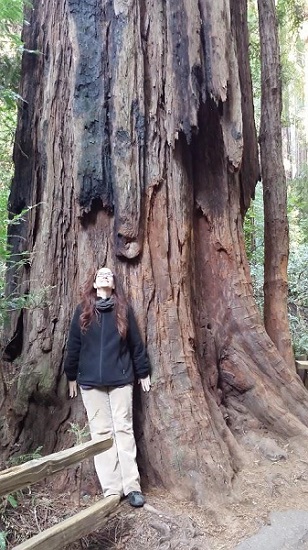
East Providence was recently notified that it has several “champion” trees, based on their age and size, and was awarded by the Rhode Island Tree Council following a nomination by the East Providence Urban Forest.
The Providence Business News spoke recently with Jenn Tierney, one of the founders of the East Providence Urban Forest, about the value of tree cover for homeowners.
Your Business Has Gone Global. Has Your Insurance?
A decade ago, “doing business internationally” was mostly a large-company concern. Today, a manufacturer in…
Learn More
PBN: What is the East Providence Urban Forest?
TIERNEY: We are a group of neighbors who came together from across the city to protect and embrace our city’s urban forest. Turns out there are a lot of us.
PBN: How should homeowners view trees on their property? Are they assets or potential expenses, another thing to care for?
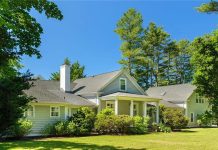
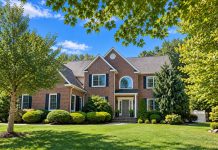
TIERNEY: The bottom line is that mature trees increase property values. All the data clearly shows that mature trees can increase home values by 13%. Property values can jump by $1,586 per tree. Yards with nothing but grass lose value. Trees can quiet a neighborhood by absorbing up to 40% of the noise [except for all that birdsong].
But just compare two neighborhoods in August, one with mature trees and one without. Where would you rather live? Wouldn’t we all rather live in a city more famous for its tree-lined streets than its asthma rates? Rhode Island’s asthma rates are the ninth highest in the country. East Providence ranks high in the state for kids in the emergency rooms for asthma attacks. We certainly have one of the “hottest” real estate markets in Rhode Island. In terms of our heat index, summer [temperatures] run higher in East Providence than cities next door with more mature trees. Trees can lower the use of air conditioners by up to 35%. It’s simple math. The value of mature trees far outweighs the costs of taking care of them.
PBN: Tell readers about East Providence’s champion trees. What are they and where are they?
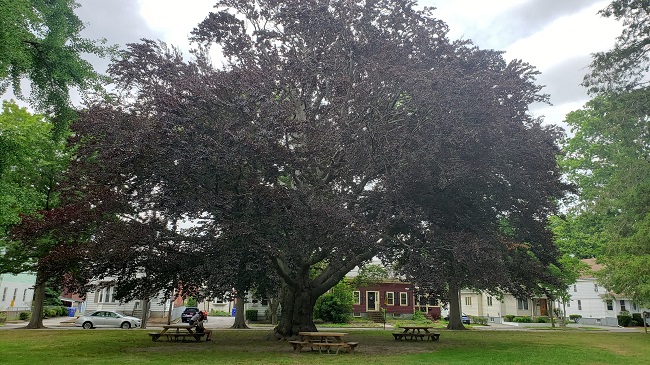
TIERNEY: Last summer, East Providence Urban Forest applied to the Rhode Island Tree Council for the beautiful copper beech at Weaver Library. To us, all trees are “champions” for cleaning the air and shading our streets, but this one deserved recognition for generations of hard work. When [the council’s] John Campanini checked it out, he found three other trees that qualified – so not only did our copper beech make it into the top 10 in Rhode Island, the nearby gingko came in fourth and a red oak behind the library came in 20th. And, much to our surprise, the Eastern cottonwood near the R.I. Department of Transportation facility on Warren Avenue placed No. 1 in the entire state. We hope these trees are our legacy to future generations.
PBN: How old or big does a tree have to be to achieve notable status?
TIERNEY: The application includes a variety of categories such as unusual circumference, height or crown spread, along with beauty and cultural and historical significance.
PBN: Should more communities have tree ordinances that protect large trees from being torn down for no reason?
TIERNEY: Communities who don’t protect mature trees will realize too late that it can take over 20 years to provide the same level of ecoservices. That’s not simply passing the buck for higher taxes for stormwater management, soil erosion or flooding; that’s condemning your own grandchildren to higher rates of asthma and skin cancer, and shorter lives. Whether you lay the concrete or lie under a tree, we all breathe the same air.
Mary MacDonald is a staff writer for the PBN. Contact her at MacDonald@PBN.com.