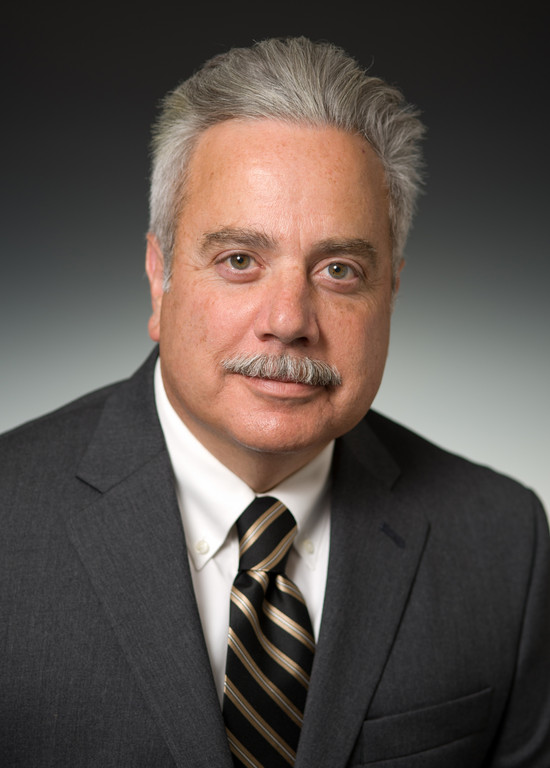
Dr. Steven M. Sepe is the new chair of the Department of Medicine at Roger Williams Medical Center, responsible for oversight of clinical affairs, quality and program development.
He comes to this position from a number of leadership positions in diverse health care settings, including the Global Medical Lead, Medical Affairs at Onyx Pharmaceuticals, as well positions at Gilead Sciences and Vertex Pharmaceuticals. He previously served as Medical Director of the Cooperative Care Center at Rhode Island Hospital and Women & Infants Hospital.
Sepe was also co-founder of Coastal Medical, Inc., in 1992, the first large primary and specialty medical group in Southeastern New England, serving as president and CEO from 1992-2002.
Providence Business News asked Sepe to talk about the challenges he faces at Roger Williams Medical Center.
PBN: What are the biggest challenges you face as the new chairman of the Department of Medicine at Roger Williams Medical Center?
SEPE: First, we need to expand and enable our primary care base. Specifically, we need to adapt along with our referring physicians to the many and daunting healthcare reform provisions. As part of this effort, we continue to develop technology to better exchange information with our primary care physicians.
Second, we are working to establish a more comprehensive teaching program. We look to do this through the development of innovative learning environments to better prepare our finishing residents and fellows and maximize retention.
Third, we must elevate our academic profile through internal program and systems development to increase scientific exchange and attract more research opportunities; this means strengthening our relationship with Boston University School of Medicine and other academic centers.
Seifert Systems Invests in Energy Efficiency to Strengthen Operations
For manufacturers, energy is more than just another operating expense. It plays a critical role…
Learn More
PBN: What kinds of clinical collaboration will you be promoting?
SEPE: While we are excited about collaborating with others around the state, our initial thrust is to continue creating synergies with our sister CharterCare institutions – Fatima Hospital and St. Joseph Health Services of Rhode Island. We are doing that by building on the strengths of each institution in areas like primary care, cancer care, rehabilitation and mental health.
PBN: You teach at both the Warren Alpert Medical School at Brown University and the College of Pharmacy at the University of Rhode Island. With the opening of the new home of Brown’s medical school in the Knowledge District, will it lead to greater opportunities for interaction between the two schools? What are the opportunities for medical education at Roger Williams Medical Center?
SEPE: Part of my role as Chairman of Medicine is to lead in promoting collaboration in our state. It is simply more efficient, less costly, and in aggregate, makes us more competitive so we can retain and attract talent and bring needed jobs, revenues and research support. I hope to inspire larger circles of involvement including the Warren Alpert Medical School, Brown, the University of Rhode Island and Roger Williams’ academic teaching affiliate Boston University School of Medicine. Greater collaboration is critical as we strive to address the complex costs of care, while guiding and informing healthcare transformation.
PBN: With the increasing need for primary care physicians in Rhode Island, what role do you see Roger Williams Medical Center playing?
SEPE: One of our strategic imperatives as a hospital system is to create and develop an integrated and vibrant primary care network. We strive to build a model which, through the provision of enabling technology and practice support, works for providers. Our goal is to help physicians excel at establishing best practices for their patients, participate in comparative effectiveness and outcomes research, with the overarching goal of improving the health status of the community and reducing healthcare discovery and delivery costs.
PBN: What kinds of program development and research activities do you see Roger Williams Medical Center undertaking to enhance its clinical distinction?
SEPE: Roger Williams is already home to a vibrant research program. We aim first to continue concentrating our efforts around our existing expertise in areas like digestive diseases, targeted small molecule and immunotherapies, hematologic malignancy and bone marrow transplant, liver, sarcoma and other solid tumor treatments, skin cancer and dermatopathology, HIV and Immunology. We believe we can continue effectively competing for private research funds and sustain our federal funding. We do all this for one reason: to expand our intellect and reach in bringing world-class medical care to our patients.