Guest Column
David N. Cicilline
It’s time to dispel any vestige of an inferiority complex we may feel about our economy. The Providence metro area economy is the 37th-largest in the nation and the 93th-largest economy in the world.
Rhode Island's Market Has Changed. Developers, Builders, Investors and Sellers Must Change With It.
By Emilio DiSpirito IV License Partner | Engel & Völkers Oceanside Leader | The DiSpirito…
Learn More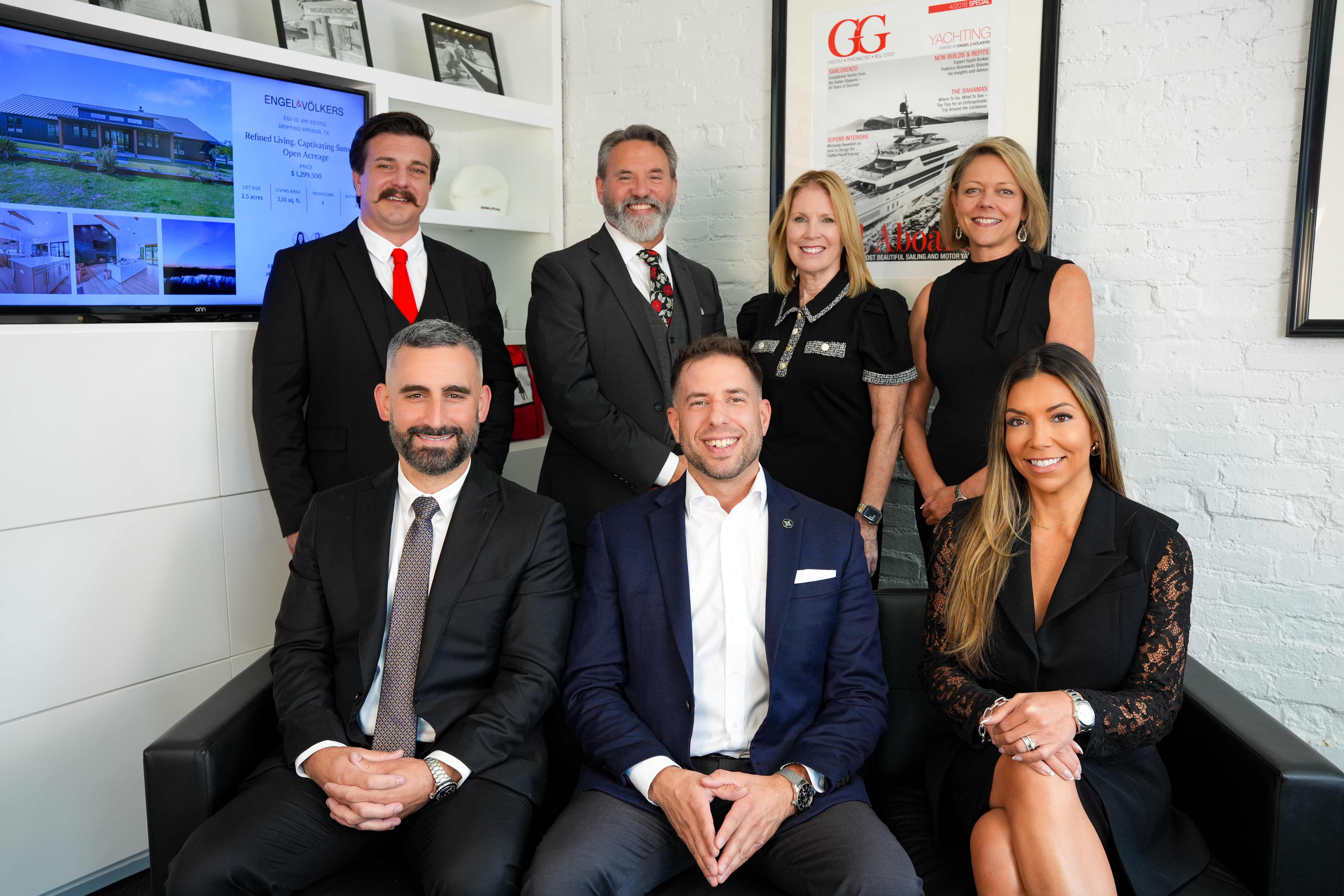
Our economy is larger than those of Austin, Milwaukee and Nashville.
When the rankings of the United States’ cities by economic output are combined with the rankings of countries in the world by economic output, the Providence metro economy ranks above thos of the nations of Vietnam, Morocco and Luxembourg.
This data is from “2007 U.S. Metro Economies,” a report released at the U.S. Conference of Mayors 75th Winter Meeting, from which I just returned. The leading financial and economic analysis firm Global Insight performed the study and revealed that metropolitan areas, including ours, make up nearly 90 percent of our country’s gross domestic product.
Since the year 2000, 90.5 percent of U.S. economic growth has been generated in metro areas. Eighty-five percent of American jobs are now in cities. Wage and salary income in cities is now $5.5 trillion per year.
What is fueling this metro success, according to the report, is the clustering of three major sectors – financial services employment, information services, and professional and business service sector employment. The economists believe that access to knowledge-based workers, hubs of economic activity and “high value-added businesses”
such as biotechnology and legal services create magnets for growth.
This report makes it clear for policy makers at all levels of government that any serious effort to stimulate our economy must begin with investment in our cities.
To continue to propel us in the right direction, we need our state and federal government to recognize that cities are on the front line of issues most directly affecting our residents – public safety, schools, housing, homeland security and transportation – and that cities must have a more direct say in this financial conversation. Federal and state officials need to thoughtfully consider the priorities and impact of their decisions on those who bear the financial and social costs.
We are lucky in Rhode Island to have a federal delegation that is well aware of this dynamic and has fought tirelessly for investment in all the cities and towns that make up the Providence metro economy.
When I was in Washington, I had the honor of representing America’s mayors in meetings with U.S. House Speaker Nancy Pelosi and U.S. Senate Majority Leader Harry Reid.
We had extremely productive discussions as we made the case for restoring funding to some of America’s most successful economic development programs, including the Community Development Block Grants.
We also discussed full funding of our nation’s most important school reform program, No Child Left Behind, as well as new programs that would allow cities to lead the nation in reducing carbon fuel emissions.
As Jane Jacobs, in “Death and Life of Great American Cities,” accurately prophesied 45 years ago in response to the ill-fated “urban renewal” movement, cities thrive through diversity, by attracting mixed activities to make different and best use of land, and by encouraging dense concentrations of people. We know they also thrive when governments are honest, transparent, predictable and trustworthy.
We pride ourselves on being such a community and celebrate it through public engagement, neighborhood arts programming, small business development and urban design.
Because of our size, we in Rhode Island have understood for a long time that we all have a stake in the success of Providence. This report confirms that our efforts have been paying off. Our economy is strong and is evolving effectively in response to the demands of a changing global economy.
There is certainly much more capacity for continued growth, and we will work hard to make sure it happens in a way that lifts up all of our residents and preserves the great character and quality of life in our city. But while we look to the future, it is important to take stock and be thankful for what we have now.
Pat yourselves on the back. You’ve built a world-class economy.
Providence Mayor David N. Cicilline is a member of the leadership of the U.S. Conference of Mayors.