Even though it had already hit the 30-day window before Nov. 7, the Rhode Island Alliance for Better Campaigns announced last week it was still working to convince local television stations to air five minutes a night of candidate discourse and issue coverage in their nightly newscasts for the 30 days leading up to Election Day. Eighty-five stations have signed on to that plan, a 1998 recommendation by a presidential panel that considered how to update the public interest obligations of television broadcasters, according to Rhode Island Alliance for Better Campaigns spokesperson Anne Ewens.
She said most of those commitments were the result of corporate-level decisions by station owners from CBS, NBC, E.W. Scripps Co., Hearst-Arglye Broadcasting and Capitol Broadcasting And although the 85 stations make up just 7 percent of the nation’s 1,300 local stations, they are concentrated in larger markets and together reach about 60 percent of the national viewing audience.
Rhode Island's Market Has Changed. Developers, Builders, Investors and Sellers Must Change With It.
By Emilio DiSpirito IV License Partner | Engel & Völkers Oceanside Leader | The DiSpirito…
Learn More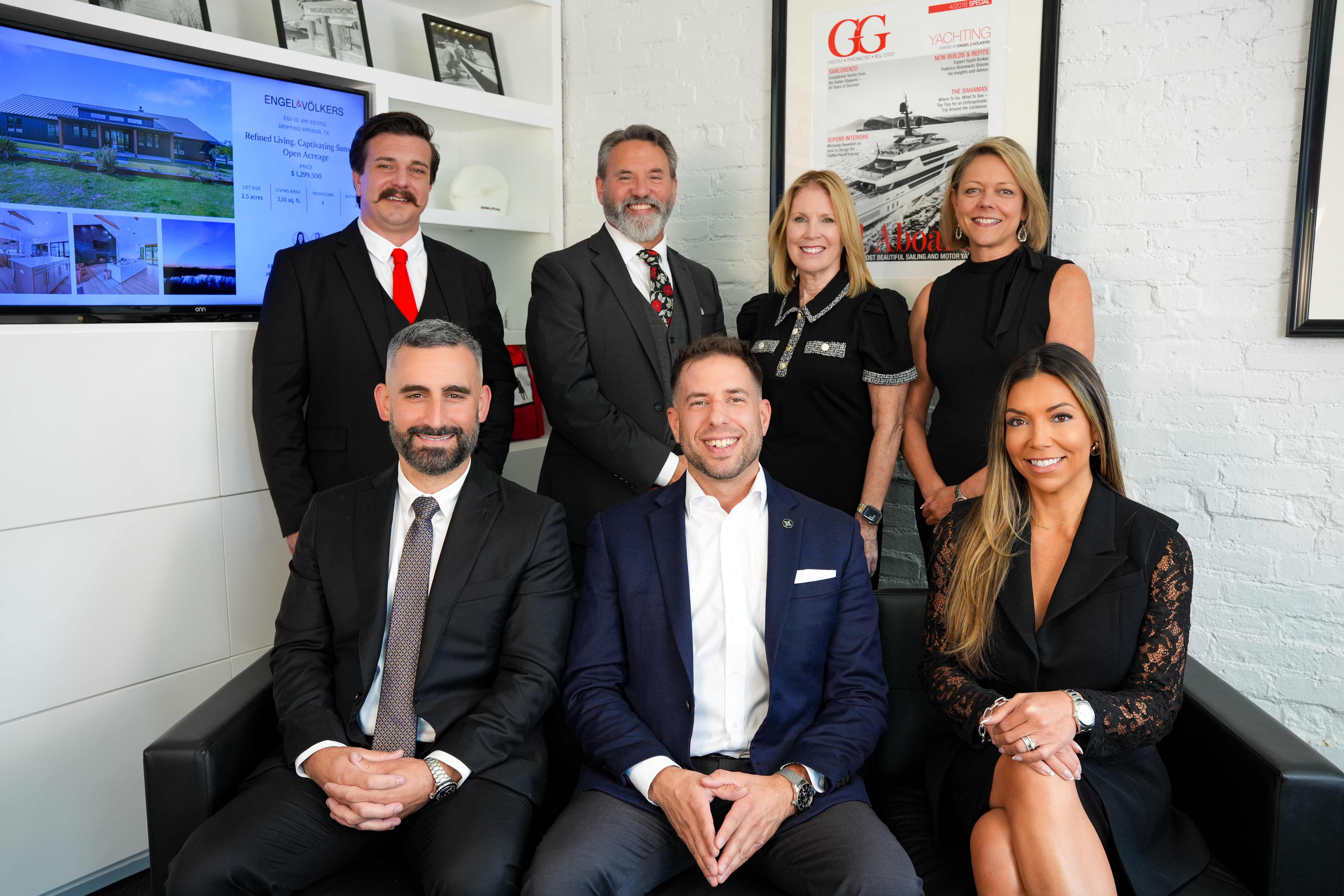
In Rhode Island, both WPRI Channel 12 (CBS) and WJAR Channel 10 (NBC) have signed on, with ABC-6 making a “strong commitment” as well to reach the standard, in a year when the broadcast television industry has come under heavy criticism for cutting back on coverage of the debates, the conventions and the entire political campaign, Ewens said.
Now it’s time to see how these three Rhode Island stations follow through on their commitments – whether they will air traditional candidate-to-camera free time statements or experiment with mini-debates, interviews, clips of stump speeches and issue packages with extended candidate sound bites. Ewens said it will also be interesting to see whether these stations focus on the presidential race or on state and local races and ultimately, whether or not viewers will watch.
The national Alliance for Better Campaigns is a public interest group founded in 1998 that seeks to improve elections by promoting campaigns in which the most useful information reaches the greatest number of citizens in the most engaging way – beyond attack ads and “the money chase” and a politics rooted in a national sense of community and purpose.
The list of committed stations can be found online at http://greedytv.org/greedies/goodguys.php3. For more information call Anne Ewens at 861-2322.
Chafee assails Weygand for ‘flip-flop’
U.S. Senator Lincoln D. Chafee criticized political rival Congressman Bob Weygand earlier this month for “flip-flopping” on the issue of drug price controls and for using “tactics designed to mislead and deceive senior citizens.”
Issuing an Oct. 2 press release on the subject, Chafee cited Weygand’s remarks during a Sept. 22 television debate on Channel 10’s “News Conference” where he said he did not advocate price controls because it would curtail research development and the state of the are new drugs.
But on Oct. 1, Chafee said, during a radio debate on WPRO’s Steve Kass show, Weygand touted a price control bill that would impose price controls on manufacturers.
“Earlier this week, we learned that Congressman Weygand made up a story about his dog having arthritis to make a point about prescription drugs, only to find it wasn’t true,” Chafee said in his press statement. “Now the Congressman is promoting the false promise of price controls to seduce voters.”
Chafee said the bill Weygand supports, H.R. 664, was “ill conceived legislation that was abandoned long ago by the Democratic Leadership in the Senate because they saw it for what it is: a first step toward government control, even rationing, of prescription drugs.”
Chafee said the bill would require drug manufacturers to make their products available to pharmacies at the lowest price charged to any federal department or agency, including Medicaid, the Department of Defense and the Veterans Administration. “However, it does not require nor create any mechanism for those discounts to be passed on to consumers” and would “restrict new research on life-saving drugs for seniors and others in needs,” Chafee said.
Keeping constituents warm
Congressman Patrick J. Kennedy joined about 40 House of Representatives colleagues last week in urging President Clinton to impose a temporary ban on U.S. home heating oil exports – and halt the recent practice of some U.S. oil companies and refiners that have been substantially increasing home heating oil exports to Europe where prices are much higher.
“At a time when oil prices are too high for families to heat their homes, oil companies are putting their financial interests above those of Americans in need,” Kennedy said. “We must ensure that our progress in this heating oil crisis is not undermined by wealthy oil companies concerned more with raising profits than the temperatures in Americans’ homes.”
Kennedy held a meeting in his District Office recently to discuss ways he can help Rhode Island leaders, energy officials, oil dealers and consumers at the federal level to reduce the likelihood of high heating oil prices this winter.