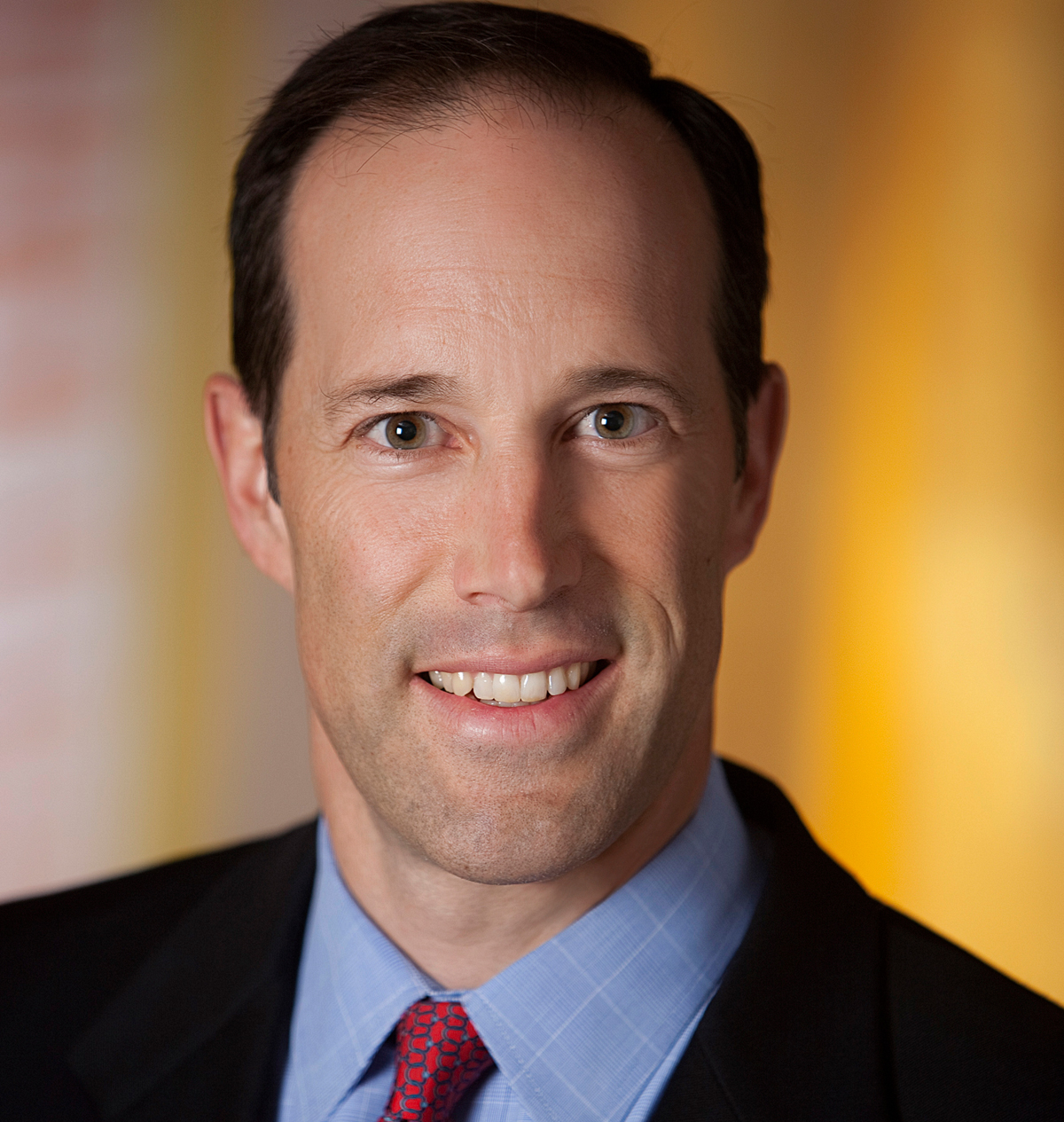
Jamie Worrell is the managing director and founder of Strategic Retirement Partners. Like most of the retirement-investment industry, Worrell has watched closely as the U.S. Department of Labor’s so-called fiduciary rule has rolled out after a decade in the making.
Worrell unpacks the new rule, talking with Providence Business News about its key elements, how it’s already impacting the investment community and what he’s watching for moving forward.
Seifert Systems Invests in Energy Efficiency to Strengthen Operations
For manufacturers, energy is more than just another operating expense. It plays a critical role…
Learn More
PBN: Can you give our readers a brief overview of the Department of Labor’s so-called fiduciary rule and where it stands now?
WORRELL: The rule is designed to protect retirement investors from an estimated $17 billion in conflicts of interest and excessive fees eroding retirement investors’ savings (according to government estimates). The long-anticipated rule finally took effect June 9, after nearly 10 years in the making.
PBN: What are some examples of its key elements and how will those impact Strategic Retirement Partners?
WORRELL: If you are investing in an IRA, 401(k), 403(b), or even an HSA (Health Savings Account), this rule impacts you. For these accounts, it requires retirement-plan providers and financial advisers ([such as] those at Strategic Retirement Partners) to act as “fiduciaries,” i.e. in investors’ best interests. Our advisers have long served in a fiduciary capacity, so this is less of an event for us and many of our clients than it might be for many other advisers who are having to make more dramatic changes.
The fiduciary standard of conduct is a higher one than for brokers (paid on commission). The rule also requires certain disclosures, especially when the adviser/service provider is not receiving levelized, or clearly communicated compensation. This will require new contracts and agreements between clients and service providers, and will result in additional notices being distributed to clarify relationships. Interestingly, not all providers are responding identically; some are being more proactive than others in embracing or disclaiming their role as a fiduciary.
PBN: The new rule is pushing some mutual funds to introduce new “share classes,” and more specifically, “clean shares.” Can you explain what that means?
WORRELL: Clean shares are mutual funds that don’t have the same hidden fees and charges as many of the mutual funds currently being used today. Most 401(k)s and 403(b)s are largely invested in mutual funds, many of which contain hidden fees, costs and revenue sharing that have nothing to do with actual investing. With the focus on transparency and avoiding conflicts of interest in the wake of several high-profile lawsuits, and the new DOL Fiduciary Rule, more advisers, retirement-plan providers, investment companies and employers are seeking mutual funds without “hidden” fees. Many employers, HR gurus, finance departments and even employees have been led to believe their retirement plan was “free” because they were not asked to write a check, or did not see an explicit charge. Everything was supposedly “included.”
In reality, mutual fund firms were embedding non-investment-related hidden fees into their mutual funds. Mutual fund firms found that embedding these “other” costs in their products would help them and the adviser community sell more, without having to explicitly charge for the various services required for each client. Over time, these fees really add up. Many of these embedded fees have nothing to do with investing or asset management, and everything to do with compensating advisers, record-keepers and custodians for their work. This so-called “revenue-sharing” structure has led to a lack of transparency and a muddling together of several types of fees within a mutual fund.
With today’s growing focus on clarifying retirement-plan fees and reducing investment costs, the popularity of low-cost exchange-traded funds (ETFs) and index funds has added downward pressure on mutual fund investment costs. Now, the pendulum is swinging the other way, in the form of a new type of mutual fund called “clean” shares. These are mutual funds that do not have the same high level of extra, embedded, hidden fees. Clean shares are front and center in the trend toward unbundling these various fees and clearly disclosing and explaining them to investors. Financial advisers working in this space need to understand the different types of share classes and fee structures available.
PBN: How will clean shares impact financial advisers and consumers?
WORRELL: Clean shares will force fee transparency and likely result in the fees for various services (ex: adviser compensation, record-keeping fees, custody fees, retirement-plan administration fees) being itemized and identified separately for what they are, rather than being lumped together into one all-encompassing-but-opaque total.
Business owners and employees are well advised to make sure they understand their retirement plan’s fees, and make sure their plan adviser is a fiduciary acting in their best interest. Switching to a different share class (ex: clean shares) or fee structure may require some research, explanation and paperwork, but it may well be worth it.
PBN: Why should employers or individuals consider working with Strategic Retirement Partners over other retirement-services firms?
WORRELL: Retirement plans have become very specialized, complicated and high risk. Strategic Retirement Partners is an independent nationwide group of dedicated specialists focused solely on delivering retirement-plan consulting services. With over 500 years of retirement-plan consulting experience, our services help to protect plan fiduciaries from personal and corporate financial liability, while improving retirement outcomes for the over 100,000 plan participants that we serve.
As advisers who serve as an ERISA fiduciary to an organization’s retirement plan, our processes strive to be objective, rigorous and free from conflicts of interest. By focusing the majority of our time and attention on issues that impact retirement plans, the advisers of SRP provide subject matter expertise that allows our clients to focus more time managing their business while we assist them with managing their retirement plan.
Eli Sherman is a PBN staff writer. Email him at Sherman@PBN.com, or follow him on Twitter @Eli_Sherman.