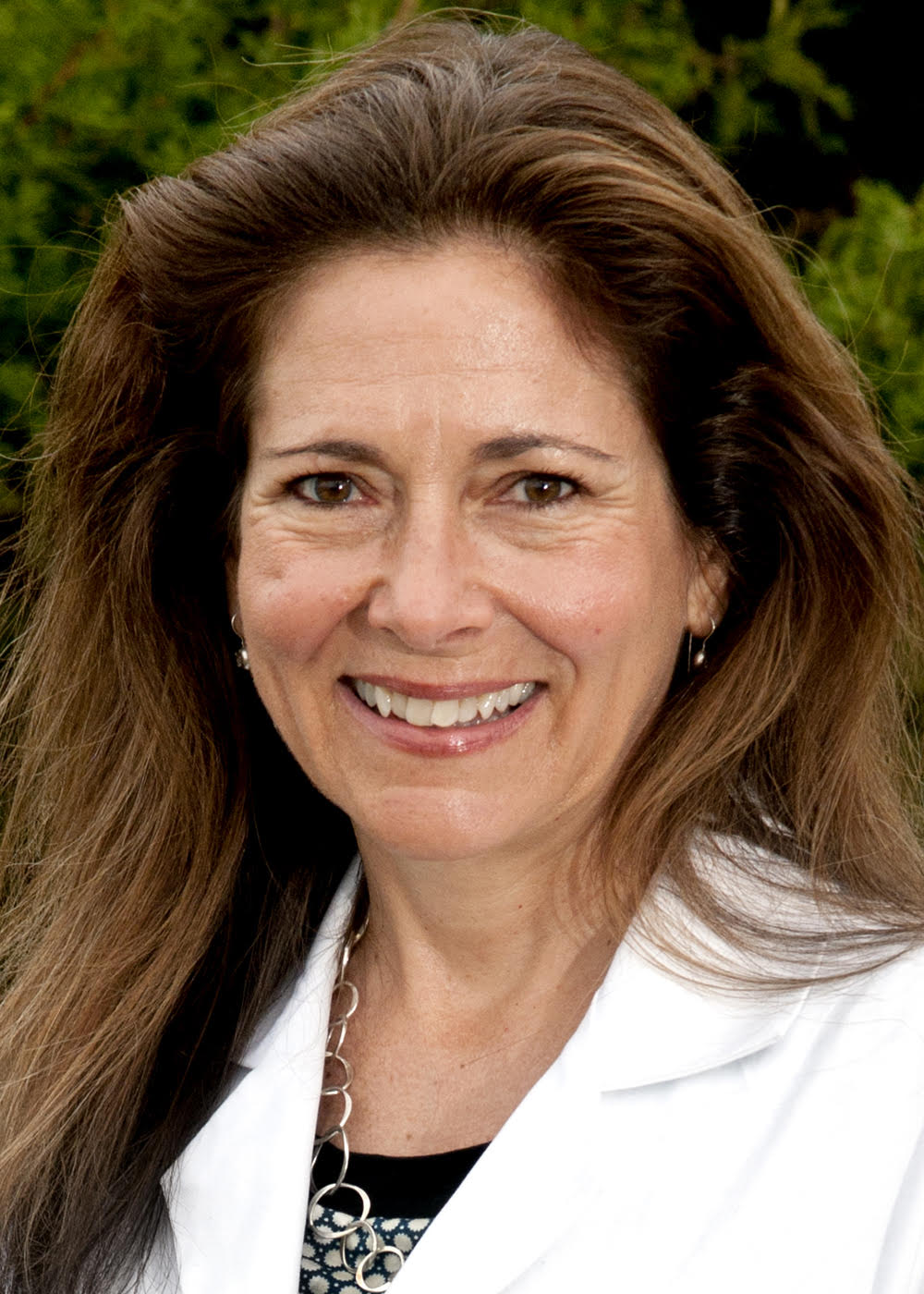
Lifespan’s Dr. Doreen Wiggins, an obstetrician-gynecologist and surgical oncologist who focuses on breast cancer, is also director of the cancer survivorship program at the Women’s Medicine Collaborative at Lifespan.
When the American Cancer Society reported death rates from breast cancer dropped 40 percent between 1989 and 2015, attributed to detection/prevention and new therapies, Providence Business News reached out for her thoughts on the development.
Rhode Island's Market Has Changed. Developers, Builders, Investors and Sellers Must Change With It.
By Emilio DiSpirito IV License Partner | Engel & Völkers Oceanside Leader | The DiSpirito…
Learn More
PBN: Can you speak to what has been contributing to the drop in deaths from breast cancer over the years?
WIGGINS: “The decline in death rates is significant. It has to do with screening, and advancements made in treatment. The understanding of breast cancer as an entity is very different today than it was in 1989 … and that’s not too long ago … well, for some.
Tumor biology has shown us that not all breast cancers are alike. Tumor genomics are used now to help determine treatment. Women are receiving the treatment they need for their specific disease – this has led to appropriate treatment for those who need it, and less treatment, or another way to say it, less over-treatment, when not needed.
PBN: October is Breast Cancer Awareness Month. What is the most important message to get across?
WIGGINS: Be aware and advocate for you. The fall in the mortality rate over the past 30 years has been significantly helped by screening. We still recommend screening beginning at 40 annually. So, get your mammogram.
But awareness also comes with knowing your family history. Prevention and early detection is key. Check yourself out – wake up every day and stand in front of a mirror, arm waving: “Good morning, beautiful!” Look at your breasts, look for skin, nipple changes, feel your breasts and if you find something wrong or concerning, let your doctor know.
Sometimes patients still present with lumps they have had for a while. It may be that they are afraid, or too busy.
PBN: Can you talk about your team at the Center for Breast Care at University Surgical Associates and its multidisciplinary approach?
WIGGINS: The Center for Breast Care at University Surgical Associates is unique in its treatment of breast cancer. The Center for Breast Care is a team, we specialize in breast care treatment but also in screening high-risk patients with a family history of gene mutation such as BRCA.
If you are facing a breast cancer diagnosis, we approach treatment as a multidisciplinary team. You meet with medical, surgical and radiation oncology, right from the get-go.
We present all your information, including medical, surgical, family, psychosocial history, imaging, biopsies and all pertinent details to our Tumor Board, a meeting of about 20 providers including other surgeons, medical and radiation oncologists, genetics counselors, pathologists, radiologists that did the biopsy, researchers, nurse navigators and physical therapists.
Following the group meeting, you would then meet with each provider, surgical, medical and radiation, who will directly care for you. It allows us all to communicate, share thoughts about your care, to be on the same page and expedite treatment.
PBN: This past weekend you were part of the Avenues of Healing event at the Crown Plaza in your capacity as director of the survivorship program at Lifespan. Please tell us a little about the event.
WIGGINS: The Avenues of Healing is always a well-attended collaborative Lifespan and community event. Speakers highlighted new research findings, promoted healthy lifestyle and prevention, post diagnosis concerns including fertility and sexual well-being. The keynote speaker was Dr. Ann Partridge from DFCI [Dana Farber Cancer Institute] and Harvard, who specializes in treating young women with breast cancer. It’s probably now well-known in Rhode Island that our breast program collaborates with Dr. Partridge and DFCI, so it was wonderful to have her at this event.
PBN: Please tell us about your work with FRIENDS (Families Reaching Into Each New Day) WAY.
WIGGINS: FRIENDS WAY is the only family bereavement center in Rhode Island, serving families throughout Southeastern New England. Staffed with highly qualified mental health care professionals and extensively trained community volunteers, we provide peer support to children and their families in a safe and nurturing environment.
Our services are free to all families, with 100 percent of our program funded through fundraising activities and community support. We work closely with hospitals, schools, funeral homes, mental health agencies, pediatricians and individuals serving children and families in Rhode Island and Massachusetts.
We also conduct volunteer-training sessions to ensure the safety and quality care for the children and the families we serve.
Rob Borkowski is a PBN staff writer. Email him at Borkowski@PBN.com.