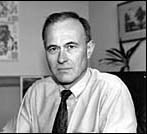
DEM director
(File photo)
After a real estate boom captured much of the state’s greenspace in the 1980s, and an oil spill damaged Narragansett Bay in 1988 — Rhode Islanders began to realize the importance of their natural resources – and the even greater importance of protecting them.
Creating planning organizations to better manage the state’s growth, implementing policies for the protection of Narragansett Bay, and setting aside millions of dollars to preserve open space, are just some of the environmental initiatives the state has undertaken over the past 15 years.
Seifert Systems Invests in Energy Efficiency to Strengthen Operations
For manufacturers, energy is more than just another operating expense. It plays a critical role…
Learn More
“The message is clear,” said Curt Spalding, executive director of Save The Bay, “No matter what the economy is doing people want the environment protected. Time has shown us just how important that is.”
The need to preserve open space is a concept that has been embraced by municipalities, individuals and even corporations in Rhode Island. With towns like South Kingstown establishing funds to purchase open space, voters approving more than $34 million in environmental bonds in the last election alone, and companies like Narragansett Electric donating the 230-acre Rome Point in North Kingstown, a tone has been set.
Ronald Dwight, director of development at the Nature Conservancy, said there is a real commitment to open space preservation on behalf of Rhode Island residents.
“I think it’s sunk into people’s consciousness that they used to drive by this beautiful corner and now there is another development there,” he said. “They are starting to realize that if we don’t act now to save what’s left there won’t be anything to save.”
Jan Reitsma, director of the Rhode Island Department of Environmental Management agreed.
“As development pressure mounts, it becomes increasingly critical to preserve land when we have the opportunity to do so.”
But finding a balance between the protection of open space and development has been a challenge for Rhode Island over the last 15 years. A real estate boom in the 1980s created large developments across the state – a trend that has continued today.
“In retrospect I think with the collapse of RISDIC (Rhode Island Share & Deposit Indemnity Corporation) it became clear that we had over-financed the development industry,” Spalding said. “That put a lot of pressure on the communities of the state and the state itself to protect their quality of life. Through that we got comprehensive planning, zoning reform and other tools like Grow Smart Rhode Island which have allowed for the definition of future land use.”
Protecting Narragansett Bay has also become a top priority for many Rhode Island residents.
“Speaking from the Bay standpoint I think one of the major issues has been the reduction of toxic materials going into Narragansett Bay,” he said. “The creation of the Narragansett Bay Commission has done tremendous things for our bay and this is one of them.”
The Prodigy oil spill in 1988 and The North Cape oil spill in January of 1996 resulted in major policy changes on the state and federal level.
“The liability issues and rules changed completely as a result of these two incidents,” Spalding said. “We definitely had a national impact.”
One of the most difficult issues the bay has faced over the past decade, and will continue to face through the next, many environmentalists agree is defining its role in the state’s economy. While some would like to see a major container port built along its shores, others would like to see it used only for recreation and fishing. The controversy has resulted in one thing – the formation of a plan for Narragansett Bay.
“There are a lot of topics that need to be discussed surrounding the bay,” said Reitsma. “But the nice thing is the environmentalists have begun to accept they need to be a part of economic activities, and the economic development community seems ready to make environmental issues a part of its goal.”