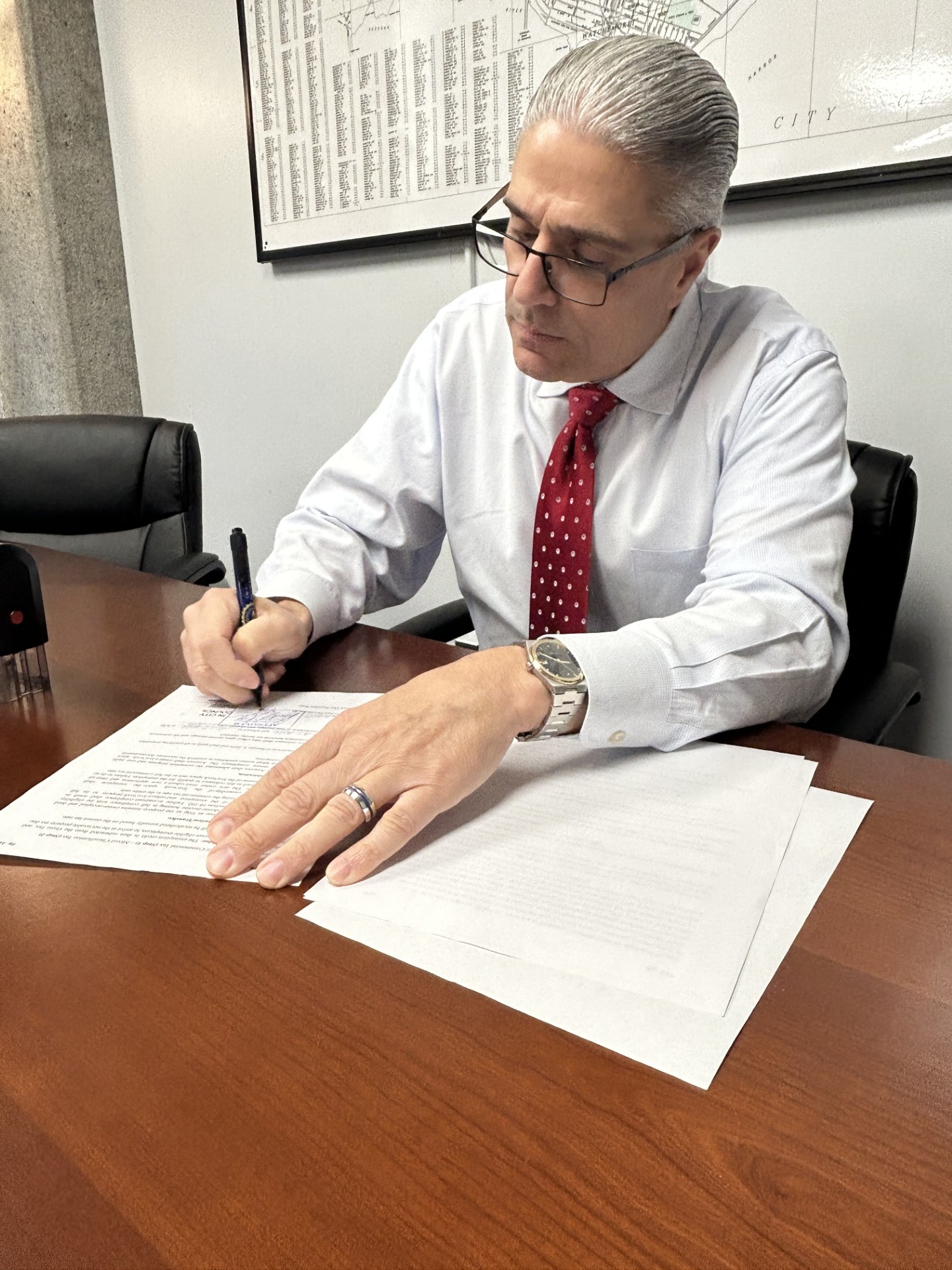
EAST PROVIDENCE – Residents who live and operate a business on an affordable housing deed-restricted property are eligible for a new tax break under the city’s recently-enacted “live/work” exemption. Under the new policy, owner-occupied business properties that would typically be taxed entirely at the East Providence commercial rate can now be split into commercial and
Already a Subscriber? Log in
To Continue Reading This Article
Become a Providence Business News subscriber and get immediate access to all of our premier content and much more.Learn More and Become a Subscriber
- Critical RI business news and analysis updated daily.
- 1 year of print (26 issues).
- Unlimited access to all subscriber only content on our website, on any device.
- Free email alerts.
- Annual Book of Lists Print Edition.
- All special issues produced during subscription term.
Click Here to purchase a paywall bypass link for this article
PBN Branded Content
Building a Strong Data Foundation in the Age of AI
Artificial intelligence (AI) has become a key priority in the boardroom and across management —…
Learn More