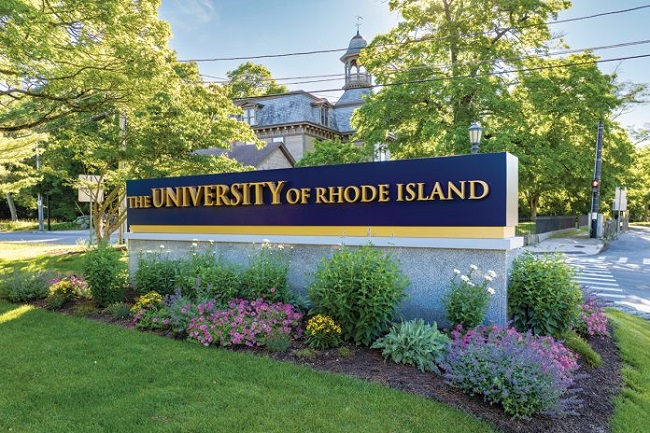
PROVIDENCE – Researchers at the University of Rhode Island will conduct a statewide $199,856 study to better understand manganese concentrations and distribution in public drinking water.
Manganese is a naturally occurring metal mineral. When present at high levels in drinking water, the substance causes a range of health issues, primarily related to the nervous system.
Selling Luxury Real Estate Requires More Than Exposure
By Emilio DiSpirito IV License Partner | Private Office Advisor Engel & Völkers Oceanside www.DiSpiritoteam.com…
Learn More
“Manganese can be a challenging issue for water systems, particularly smaller systems with limited resources,” said Joseph Goodwill, an associate professor of civil and environmental engineering at URI. “As Rhode Island’s university, URI has a responsibility to apply research and technical expertise to problems that directly affect our state, and this study will provide data and insights … that will help communities better understand and manage manganese in their water.”
Working with the R.I. Department of Health, URI researchers will collect and analyze 1,400 water samples from 169 systems for manganese levels.
“Work to ensure safe and healthy drinking water for all Rhode Islanders is a core focus for [RIDOH],” said Dr. Jerome Larkin, R.I. health director. “The Manganese Vulnerability Study being conducted with our partners at the University of Rhode Island will help us better understand where communities may be at risk and how these contaminants move through drinking water systems.”
The study will be funded by an Emerging Contaminants grant from the health department’s Center for Drinking Water Quality and the Rhode Island Infrastructure Bank.
Jacquelyn Voghel is a PBN staff writer. You may reach her at Voghel@PBN.com.