Lung cancer is known as the second-most-common cancer in the U.S. and the leading cause of cancer deaths, but because those with lung cancer don’t often feel symptoms, they may be unaware they have lung cancer. However, lung cancer screenings can detect it very early.
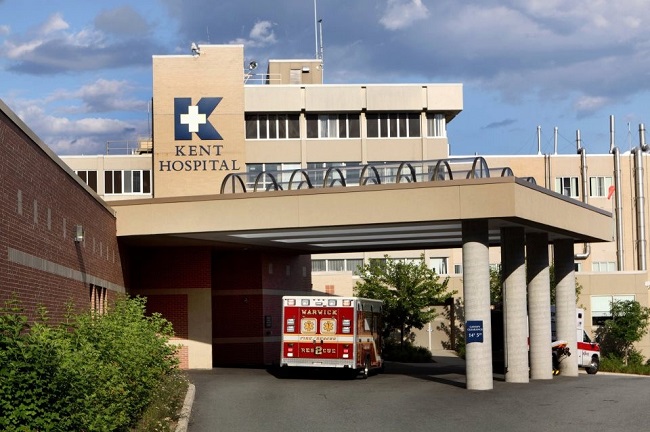
Dr. Gerald Weinhouse, interim chief of pulmonary and critical care at Kent County Memorial Hospital, spoke with Providence Business News about lung cancer and screenings.
PBN: What signs and symptoms of lung cancer should people watch out for?
WEINHOUSE: The point of lung cancer screening is to find lung cancer early. Lung cancer screening should be done based on your risk, not be directed by symptoms. The purpose of lung cancer screening is to identify it at its earliest possible stage when it is easiest to treat.
PBN: By how much can screenings reduce the risk of dying from lung cancer? Why is that?
WEINHOUSE: In a recent national lung cancer screening trial, there was a 20% reduction in mortality. So, the chances of dying from lung cancer go down significantly if you’re screened and diagnosed early. If you wait too long and you have cancer and it starts to spread, then your chances of beating it go down sharply.
PBN: Who should seek regular lung cancer screening and how often should they go? How can someone get a screening?
WEINHOUSE: The current recommendations are those between the ages of 50 and 80 who are current or recent smokers – having quit within the last 15 years – and people who have smoked a minimum of 20 pack-years, which is the same as 1 pack per day for 20 years..
PBN: How common is lung cancer in Rhode Island compared to the rest of the U.S.? What kinds of areas tend to have higher rates of lung cancer?
WEINHOUSE: Lung cancer is directly related to smoking practices.
PBN: What factors increase a person’s risk of developing lung cancer? What are some ways to reduce those risks?
WEINHOUSE: Smoking is the most common factor for increasing a person’s risk of developing lung cancer. In the U.S., radon exposure is another factor. There are also occupational hazards such as exposure to asbestos and burning coal. Smoking and genetic factors are responsible for 85% [of lung cancer diagnoses].
(UPDATE: Corrects guideline to 20 packs per year in 8th paragraph.)
Katie Castellani is a PBN staff writer. You may contact her at castellani@pbn.com.