The Surviving Sepsis Campaign, a project taken on by the Rhode Island ICU Collaborative early last year, has already made a big impact, reducing overall sepsis mortality by 14.3 percent, to a level well below the national average.
Sepsis is an inflammatory response to infection. While millions of people easily overcome less-serious forms of sepsis each year, severe sepsis and septic shock are among the top causes of death in intensive-care units, and they can be devastating even for those who survive.
Formed in 2005 by the Hospital Association of Rhode Island, Quality Partners of Rhode Island, and the Rhode Island Quality Institute, the ICU Collaborative has been working to improve safety in ICUs and improve overall outcomes.
In the spring of last year, the collaborative joined the Surviving Sepsis Campaign, an international initiative that is tackling sepsis in particular by encouraging hospitals to adopt “bundles” of evidence-based practices to improve outcomes for specific conditions.
The local teams got extensive training on the “bundles” in March 2008, then began to use them and to track sepsis cases, use of the “bundles,” and mortality.
From the third quarter of 2008 to the third quarter of 2009, overall mortality dropped from 26.6 percent to 22.8 percent, according to a Hospital Association news release; the national average is 28.6 percent. Individual hospitals’ results varied greatly, and not all “bundles” were adopted equally, but the improvement was still substantial.
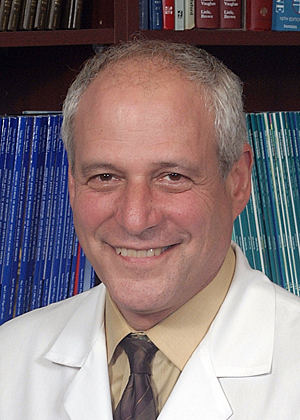
“Rhode Island has achieved double-digit improvement in eight of the 10 SSC measures,” said Dr. Mitchell Levy, director of the medical ICU at Rhode Island Hospital and academic adviser, SSC international leader and president of the Society of Critical Care Medicine.
“Our state is now a national leader in the care of sepsis patients,” he added, “and receiving recognition from colleagues around the world.”
Levy presented the results to collaborative members at a “Sepsis Summit” on Nov. 19 geared to sharing best practices and developing next steps. A group is also planning to present Rhode Island’s results at the Society of Critical Care Medicine’s national convention in January.
“Once again, our hospitals have taken quality improvement and patient care to the next level,” said Edward J. Quinlan, president of the Hospital Association of Rhode Island. “These results would not be possible without a professional, dedicated work force with a tireless dedication to patient care. Their commitment and results should be celebrated.”