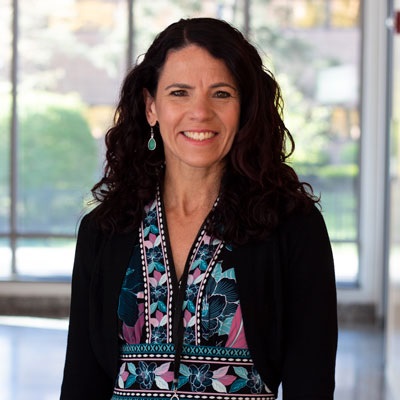
July is National Minority Mental Health Awareness Month, Dr. Zobeida Diaz, a perinatal psychiatrist at Women & Infants Hospital, spoke with Providence Business News about the challenges those in minority communities face.
PBN: What are some unique mental health challenges minority communities face?
DIAZ: Our minority communities face many challenges in obtaining their health care – and behavioral health is no different. The challenges can include limited or no access to mental health services (even more with the lack of multilinguistic providers), lack of health insurance, cultural biases, limited awareness of their mental health conditions, and stigma of seeking care – even from their own community.
PBN: What factors contribute to this?
DIAZ: Social determinants of health are critical factors impacting our minority communities from seeking care: racism, poverty, an undocumented status, lack of education, and cultural beliefs impact their ability to obtain care for their health, including behavioral health.
PBN: How have you noticed these challenges shift over time?
DIAZ: I have seen shifts over time, which is important. We have a more diverse workforce. The creation of community organizations that address minority issues has helped minorities significantly. They support our minority communities in accessing mental health services with transportation, translation, case management, emotional support, etc. The organizations have provided psychoeducation to normalize common mental health conditions, including postpartum depression.
PBN: How did July become National Minority Mental Health Month?
DIAZ: July was selected to honor the legacy of Bebe Moore Campbell, who is recognized as an author highlighting themes of racism and mental health, and as an advocate for mental health access to Black, Indigenous and people of color.
PBN: What resources are available to support those in minority communities struggling with their mental health?
DIAZ: There are so many resources available to support all people struggling with mental health, not just minorities. Butler Hospital’s Behavioral Health Service Call Center is available 24/7 at (844) 401-0111. Other resources include The Providence Center, Butler Hospital’s Cultural Psychiatry Clinic, Memory and Aging Program Behavioral Health, the National Alliance on Mental Illness, Mental Health Association of R.I., the [R.I.] Department of Behavioral Healthcare, Developmental Disabilities & Hospitals, or DayOne. No one should feel like they are alone. There is help available to all.
Katie Castellani is a PBN staff writer. You may contact her at Castellani@PBN.com.