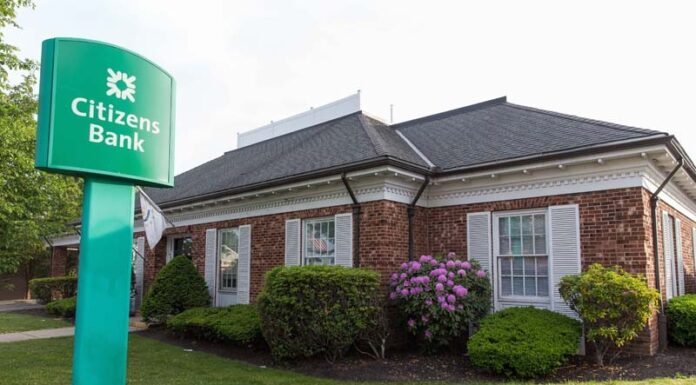
PROVIDENCE – After taking a hit earlier this year, Rhode Island’s business climate has rebounded, improving at a faster pace than nationwide conditions, according to Citizens Bank’s Quarterly Business Conditions Index published on Monday.
Rhode Island’s third-quarter conditions index value of 56.5 represents an 11.4% increase over the prior quarter, and 9.9% growth compared to the third quarter of 2020.
Selling Luxury Real Estate Requires More Than Exposure
By Emilio DiSpirito IV License Partner | Private Office Advisor Engel & Völkers Oceanside www.DiSpiritoteam.com…
Learn More
The state score was still slightly below the national index of 57.1, a 0.6% decline over the prior quarter but up 19.8% year over year, driven by “robust demand,” the company stated.
“Business activity is incredibly strong and confidence levels are quite high,” Tony Bedikian, head of global markets at Citizen, said in a statement. “We haven’t fully exited the pandemic yet, but at this stage most parts of the economy have established some normalcy given the benefit of vaccines and the fiscal and monetary stimulus that continue to provide support towards full recovery. Many companies are doing well and would be doing even better if it weren’t for headwinds such as supply chain disruption and labor shortages.”
Keith Kelly, the company’s Rhode Island market president, previously chalked up the state’s relatively unfavorable second-quarter conditions to its reliance on a still-recovering hospitality industry, which has continued to struggle in the third quarter.
Any score above 50 is considered a sign of economic expansion. Eighty percent of the index is based on public data, such as ISM manufacturing and nonmanufacturing, unemployment and wage growth numbers. Twenty percent of the index is based on metrics related to the business activity of the bank’s commercial clients.
Nationally, manufacturing and nonmanufacturing indices rose in the third quarter, though new business claims dropped, according to Citizens. The high readings across nearly all sectors are typical for the first wave of an economy recovery, but would be “unusual” to stay as high over a longer period of time, the release stated.
Concerns over inflation and continued workforce shortages may also suppress some growth.
The company’s proprietary data showed the strongest growth for energy and basic materials sectors, followed by consumer goods and service companies.
Consumer spending data also showed a full recovery in clothing, healthcare and gasoline spending, though travel and dining purchases remained below pre-pandemic levels.
Nancy Lavin is a PBN staff writer. You may reach her at Lavin@PBN.com.